
Organising lunch for a larger group
You want to have enough filter coffee ready for serving at around the same time, so you need to consider the carafe capacity and how many batches you may need to brew.


For a photography club lunch, choose a filter coffee machine with a carafe capacity that suits both the amount of coffee you need at once and when club members will be pouring themselves a cup. A thermal jug is ideal if people will be serving themselves at different times; a glass carafe is practical if the coffee will be drunk promptly, although coffee can become more bitter over time if left on a hotplate, according to the Consumentenbond. Work out the required amount in millilitres and check the safety information for the specific machine too; the NVWA explains when CE marking is compulsory for electrical appliances.
You want to have enough filter coffee ready for serving at around the same time, so you need to consider the carafe capacity and how many batches you may need to brew.
You want to be able to set the coffee down while club members arrive at different times. Keeping it warm and serving it without a hotplate are important considerations.
You want the machine to be easy to fill, use and clean, and to know whether a suitable replacement carafe is available.
| What to consider | What to look for when buying | Who is this important for? |
|---|---|---|
| Enough coffee for serving time | Work out the total amount in millilitres and compare it with the capacity in litres; plan an extra brewing cycle if needed. | If I want to serve everyone at roughly the same time, I need to know whether one carafe will be enough for our mugs. Around 31% of consumers prioritise capacity and brewing speed. |
| Keeping coffee warm when serving at different times | Compare a thermal jug with a glass carafe and hotplate; check the insulation of the specific thermal jug. | For a lunch where club members help themselves to coffee at different times, I want to be able to set the jug down without leaving the coffee on a hotplate. Around 25% of consumers prioritise keeping coffee warm. |
| Easy brewing for different helpers | Check that the water level markings are visible from where the machine will be used, and that the filter holder and controls are easy to reach. | If several volunteers are making coffee, I want filling and operating the machine to involve as few steps as possible. Around 19% of consumers consider ease of use their top priority. |
| Cleaning after gatherings | Check which parts are removable or dishwasher-safe for each model, and follow the descaling instructions in the model-specific manual. | After lunch, I want to be able to put the machine away without an unnecessarily complicated clean-up. Around 13% of consumers prioritise maintenance. |
| Purchase price and replaceable parts | Compare specific models and check whether a suitable replacement carafe is available separately for the exact model. | If the club only uses the machine occasionally, I want to consider the purchase price and what happens if the carafe breaks. Around 12% of consumers prioritise cost and replaceable parts. |
Manufacturers may define a cup differently from the mugs club members use. The Consumentenbond gives 125 ml as the traditional measure for a cup of filter coffee, so larger mugs will need more coffee per serving.
Work out how many millilitres of coffee the group wants to drink at once and compare the total with the stated carafe capacity.
A glass carafe can sit on a hotplate, but this uses electricity and the coffee may become more bitter over time. The automatic shut-off time varies by model; Melitta, for example, states 40 minutes for the Easy, not for all models with a glass carafe.
Choose a machine to suit how people will be serving themselves and check the automatic shut-off time for the exact model.
Insulation varies from one thermal jug to another. CE marking relates to applicable product regulations, not brewing speed, coffee taste or the availability of parts.
Check the carafe capacity, insulation, replacement carafe availability and safety information separately for the exact model.
The CDT Grand is worth comparing if you need to brew a larger batch and want a thermal jug. The KBG Select is a separate model with a glass carafe and a setting for a full or half pot.
According to Melitta, the EasyTop Therm Steel has a thermal jug and a swing filter. The Easy, with its glass carafe, is a separate model for anyone looking for simple operation.
The Philips 3000 Series Basic HD7460/40 is a glass-carafe model worth comparing if a 1.2-litre capacity and a drip stop would suit your lunch.
The PurShine KF 1500 is a conventional filter coffee machine with an AromaCarafe, for anyone looking for a standard carafe.
According to Severin, the KA 9307 comes with two thermal jugs and could be a good fit if you’re brewing coffee for separate rounds of serving.
This selection consists mainly of filter coffee machines with a glass carafe for quick serving. It also includes a large model with a tap for serving coffee from a single point.
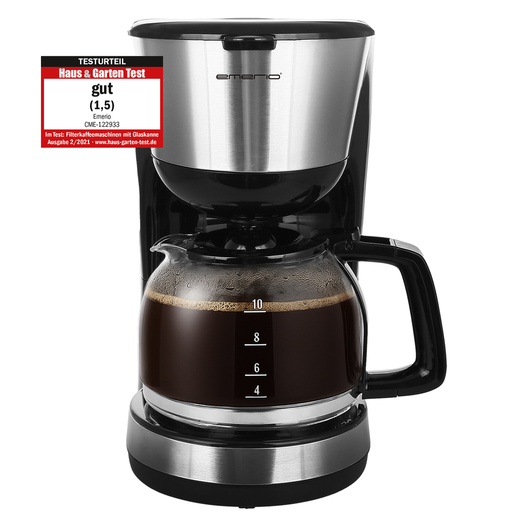 Image unavailable
The glass carafe and hotplate are a good match for coffee that will be served soon after brewing.
Capacity: 1.25 litres. The description mentions a reusable filter, drip stop and automatic shut-off.
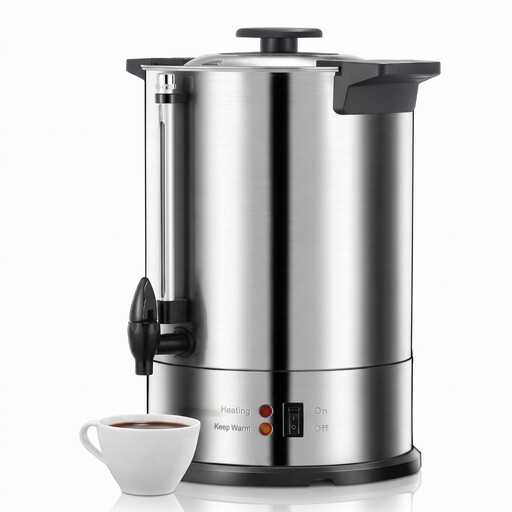 Image unavailable
The large stated capacity and tap are designed for serving coffee from a single point.
The description specifies a capacity of 15 litres, a keep-warm function and a built-in reusable stainless steel round filter.
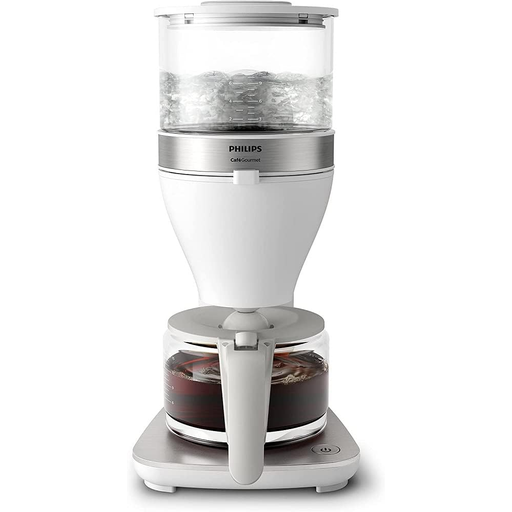 Image unavailable
The glass carafe and hotplate are suited to a lunch where the coffee is served straight after brewing.
The description specifies a 1.25-litre water tank, a Boil and Brew system and an Aroma Twister spout.
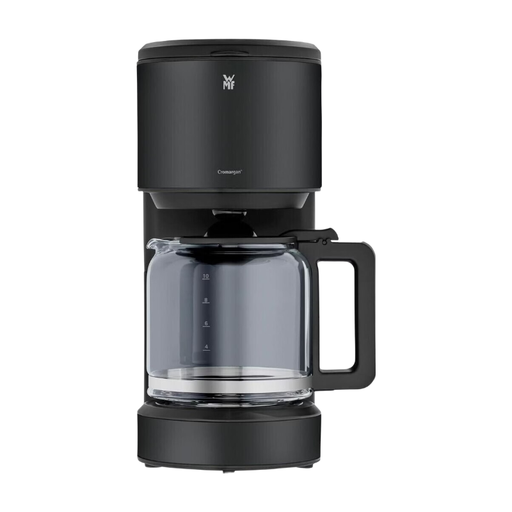 Image unavailable
The glass carafe and button controls make it suitable for serving coffee straight away and for use by different helpers.
The description mentions a 10-cup carafe, a keep-warm function, a water-level indicator and automatic shut-off.
 Image unavailable
The glass carafe and stated capacity make it suitable for brewing a batch for a group that will be served promptly.
The description mentions a drip stop, adjustable coffee volume and permanent filter. The title specifies a filter holder with a double handle for left- and right-handed use.
Count how many servings you’ll need at around the same time, work out the capacity of the cups or mugs you use in millilitres, then compare the total with the carafe capacity in litres. Plan a second brewing cycle if needed. The Consumentenbond gives 125 ml as the traditional measure for a cup of filter coffee; that may not match the mugs used by your club.
Run water through a new machine before use, then clean the carafe and filter holder after use. For descaling, consult the manual for the exact model: the Philips instructions referred to here apply only to the models specified in them and aren’t a universal guide.
For purchases by consumers in the Netherlands, the statutory warranty has no fixed legal time limit. If a product is faulty, the retailer is the point of contact, according to the Dutch government. A manufacturer’s warranty or an extended warranty is additional cover. If you’re buying on behalf of an association, check which purchase and warranty terms apply, as consumer rights don’t necessarily apply to every business purchase.
CE marking is compulsory for electrical products covered by the applicable Dutch rules for electrical equipment. Check the marking and product information for the specific machine. The NVWA explains the applicable product rules; CE marking is not an independent assessment of coffee quality.