
Mobile note-taker
You review field reports in several dry workspaces each day and want a laptop that’s easy to carry around. Balance the weight of the specific model against the screen size you find comfortable for reading.


For reviewing field notes in dry indoor spaces, a portable laptop is a sensible place to start. Also check that the screen is comfortable to read and offers enough room for your documents and photos. Choose a model with the ports and operating system your equipment and software require. A rugged field laptop is mainly worth considering if the laptop itself will be exposed to dust, splashes or knocks outdoors.
You review field reports in several dry workspaces each day and want a laptop that’s easy to carry around. Balance the weight of the specific model against the screen size you find comfortable for reading.
You view notes alongside photos or other documents. Screen space, local storage and the ability to switch between windows are all worth considering.
You connect your notes to equipment or may use specialist mapping software. Check in advance which ports and operating system your devices and programmes require.
Start by thinking about how often you move your laptop and how you read notes and images. Then check that the model you choose is compatible with your peripherals, software and files.
| What to consider | What to look for when buying | Who will find this most important? |
|---|---|---|
| Portability | Compare the weight of the exact model and consider whether the screen size suits the way you work. | If I carry my laptop between rooms frequently throughout the day, I want it to be easy to move around. Around 33% of consumers put portability first. |
| Readable screen space | Check the screen size and resolution, and make sure text and, if needed, two windows are easy for you to read. | If I want to view notes and photos side by side, I need enough visible workspace. Around 27% of consumers prioritise screen space for notes and images. |
| Ports and software | Make a note of which ports your devices use and check that your programmes work with the model’s operating system. | If my equipment needs a direct connection or my work programme requires a particular operating system, I check compatibility before buying. Around 20% of consumers put ports or software first. |
| Battery and local storage | Compare battery figures only when the stated test conditions are clear, and choose an SSD capacity that suits your local files. | If I can’t recharge regularly while travelling or want to keep my photos stored locally, I check battery information and storage space. Around 20% of consumers prioritise staying productive and storing files locally. |
Battery figures can be based on different tasks and settings. Apple, for example, distinguishes between streaming and wireless web browsing. These figures don’t necessarily predict how long your work with notes and photos will take.
Compare the stated test conditions and check how you’ll be able to charge the laptop in your workspaces.
An IP rating such as IP53 doesn’t mean the laptop can be safely submerged. A rugged model may also involve different portability trade-offs from a laptop intended for dry indoor spaces.
First decide whether you’ll use the laptop itself outdoors, then check the protection offered by the exact model.
Specifications such as ports, screen and keyboard layout can vary between models. The range name alone won’t tell you whether the model you’ve chosen suits your equipment and preferences.
Check the full model code and the specifications of the version you want to buy.
The 13-inch MacBook Air with M5 is a compact macOS option for notes and documents, provided your required software is compatible.
The ThinkPad T14 Gen 6 AMD is a business-class 14-inch option if ports and your chosen configuration are important.
The EliteBook 8 G1i 14 is a business Windows option to consider if you need a specific memory and storage configuration, as well as on-site support.
The Zenbook 14 OLED UX3405 family includes compact Windows models with OLED screens.
The TOUGHBOOK 55 range is designed for people using the laptop itself in demanding field conditions. It may not be the obvious choice for moving between dry rooms.
These Joybuy picks offer a range of screen sizes and configurations for viewing notes and files. Compare the storage, ports and screen of each model with your own needs.
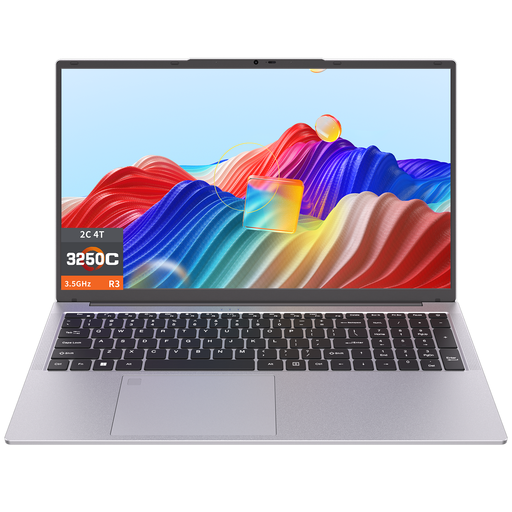 Image unavailable
The 17.3-inch screen may suit you if you want to view notes on a larger built-in display. If you move around frequently, bear the size in mind too.
The product name lists a 3250C processor, 8 GB DDR4 memory and a 512 GB SSD.
 Image unavailable
This model has a 16-inch OLED touchscreen, which may suit you if you want to view notes and images on the built-in display. The product description mentions a 360° hinge and pen input.
The description lists a resolution of 2880 × 1800 pixels and Windows 11 Home. The product name specifies 32 GB RAM, 1 TB storage and a QWERTY keyboard.
 Image unavailable
The product description lists a 15.3-inch OLED screen with a 16:10 aspect ratio. Check that the size suits your reading tasks and regular travel.
The description lists a resolution of 2560 × 1600 pixels. The product name specifies 32 GB RAM, a 512 GB SSD and a QWERTY keyboard.
 Image unavailable
The 16-inch screen may suit you if you want more built-in space for viewing notes. The description lists two USB-A ports, two USB-C ports and HDMI 2.1.
The description lists a 16:10 IPS screen with 1920 × 1200 pixels, Windows 11 Home and a 512 GB SSD. The product name specifies 8 GB RAM. The charger isn’t included.
 Image unavailable
The description lists a 16-inch screen, HDMI, USB-A, USB-C with DisplayPort and Gigabit Ethernet. Check that these ports suit your peripherals.
The description lists an anti-glare 16:10 screen with 1920 × 1200 pixels, Windows 11 Pro, 32 GB DDR5 RAM and a 512 GB SSD. The stated weight is around 1.9 kg. The power adapter isn’t included.
Not simply because the notes were taken in a marsh. If you’ll use the laptop itself outdoors and expect it to be exposed to dust, splashes or knocks, compare the protection offered by the exact model. Panasonic lists an IP53 rating for the TOUGHBOOK 55 range; this doesn’t mean the laptop can be safely submerged. If you’ll be using it in dry indoor spaces, its stated weight of 2.08 kg may also influence your choice.
Esri describes using ArcGIS Pro on a Mac with an M-series processor through a virtual environment, rather than running it directly in macOS. Before buying, check Esri’s current system requirements and make sure the required setup suits the way you use your software.
The Dutch Arboportaal advises reassessing your setup whenever you move to a new workspace. Specific rules apply to employees who spend more than two hours a day working with a screen; the Arboportaal mentions, among other things, the option of using a separate screen or keyboard with a laptop. These employment rules don’t automatically apply to every private user.
When you buy as a consumer in the Netherlands, your statutory rights apply alongside any manufacturer’s or seller’s warranty. According to the Dutch government, there’s no fixed statutory warranty period; if a product is faulty, the seller is responsible for putting things right. So compare paid-for cover with the rights you already have, and read the terms and exclusions carefully.