
Festival snackers keeping an eye on portions
You want to enjoy popcorn while knowing in advance how many calories your portion contains. Check the weight you’ll actually eat, not just the size of the tub.


Choose ready-to-eat popcorn if there’s nowhere to prepare food at the festival; loose popping corn is a better fit if you want to choose the ingredients yourself in advance. Compare the same product type per 100 g, then work out the amount based on how much you’ll actually eat: a small portion doesn’t automatically make a product low in calories.
You want to enjoy popcorn while knowing in advance how many calories your portion contains. Check the weight you’ll actually eat, not just the size of the tub.
You’re looking for popcorn that’s ready to eat and doesn’t need a microwave or pan. Ready-to-eat popcorn and products that need preparing require different planning.
You want to decide which oil and flavourings to use. If so, calculate the whole recipe and check the allergen information on the packaging.
Start by choosing a preparation method that suits your festival plans, then compare the portion size and nutritional information of the product you’re considering.
| What to consider | What to look for | Who should pay particular attention? |
|---|---|---|
| Calories per portion | Compare kcal per 100 g and calculate the amount for the weight you’ll eat. | If I want to keep track of how much I snack on, I look at both the portion weight in grams and the figure on the label. Around 36% of consumers put calories per portion first when choosing what to buy. |
| Preparation method | Check whether the popcorn is ready to eat or needs a microwave or pan. | If there’s nowhere suitable to prepare food at the festival, I choose something that’s ready to eat. Around 29% of consumers prioritise convenience when it comes to preparation. |
| Flavour and ingredients | As well as kcal, check the sugars, fat and ingredients list. | When choosing between sweet and savoury, I also want to know what ingredients and nutritional values are involved. Around 21% of consumers put flavour and ingredients first. |
| Cost per portion | Compare the current price per kilogram and the cost of the amount you want to take with you. | If I’m taking snacks to share, I want to know how much the planned amount will cost. Around 14% of consumers say snack costs are their top priority when buying. |
The ‘low energy’ nutrition claim for solid foods is assessed per 100 g; a smaller portion doesn’t change the threshold for making that claim.
Call a portion small if that’s appropriate, but only describe a product as ‘low in calories’ if it meets the requirements for that claim.
The sweet and salted varieties reviewed differ in energy and composition. A flavour description alone doesn’t tell you how many calories or how much sugar a product contains.
Compare the nutrition table and ingredients on the exact pack you’re planning to buy.
The nutritional value of loose popping corn doesn’t automatically describe the popcorn you eat after preparation. Any added oil and flavourings need to be included when calculating the whole recipe.
Include all the ingredients in your calculation, then divide the result by the number of portions you make.
Microwave popcorn needs to be prepared, so it isn’t the same as ready-to-eat popcorn for when you’re out and about.
Check the product type and preparation instructions before putting together your festival supplies.
The range includes ready-to-eat salted popcorn and loose organic popcorn kernels, catering for those who want convenience and those who prefer to prepare their own.
The varieties mentioned include sweet and salted ready-to-eat popcorn, as well as salted microwave popcorn.
Snack Day Popcorn Sea Salt is one of the popcorn varieties mentioned and comes in a 200 g pack.
SUN SNACKS Salted Popcorn is one of the varieties mentioned and comes in a 100 g pack.
These products cover microwave popcorn, ready-to-eat popcorn and popcorn you prepare yourself. Check the preparation method and nutritional information on each pack.
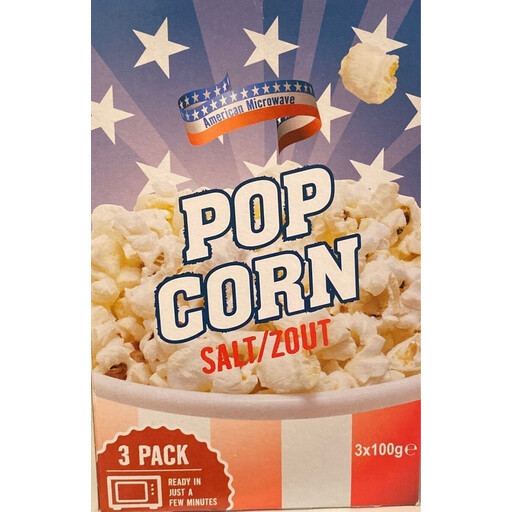 No image available
A good fit if you want to prepare popcorn in advance or somewhere suitable with a microwave.
The product description mentions three bags and microwave preparation; this isn’t a ready-to-eat variety.
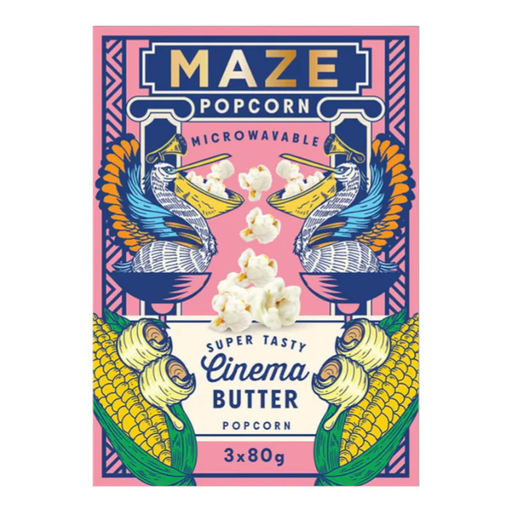 No image available
A good fit if you’re looking for popcorn with a buttery flavour.
The product name states that it’s the Cinema Butter variety and comes in a 240 g pack.
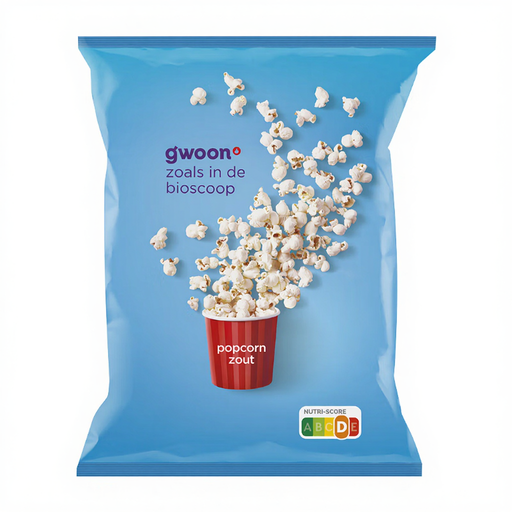 No image available
A good fit if you’re looking for a savoury popcorn variety.
The product name states that it comes in a 100 g pack.
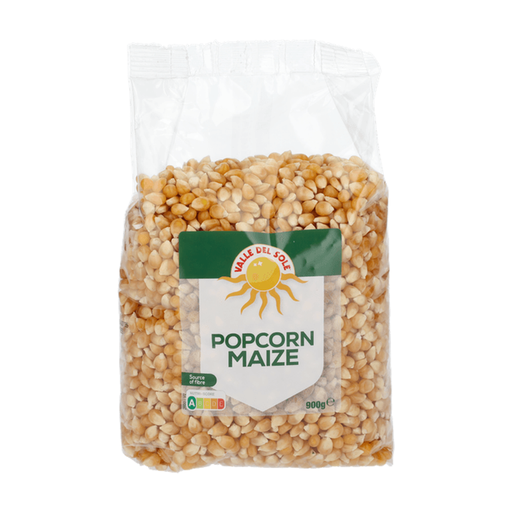 No image available
A good fit if you want to make popcorn at home and choose your own additions.
The product information states 350 kcal per 100 g. The preparation instructions call for a pan and vegetable oil; include these ingredients when calculating the whole recipe.
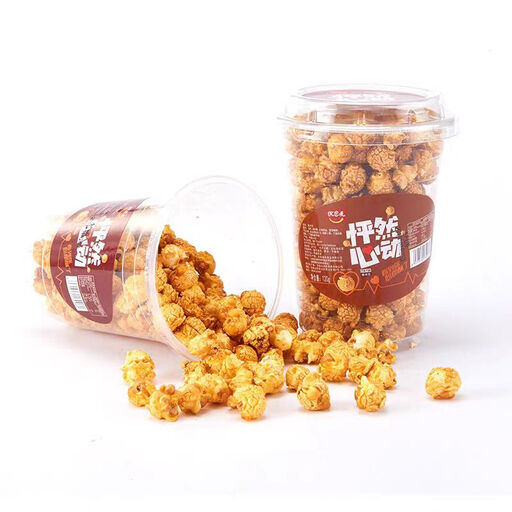 No image available
A good fit if you’re looking for ready-to-eat popcorn with a caramel flavour.
The product information states 502 kcal and 35 g of sugars per 100 g. The product contains milk.
For solid foods, the European Commission sets a maximum of 40 kcal (170 kJ) per 100 g for the ‘low energy’ claim. A small portion doesn’t change that threshold. The ‘reduced energy’ claim requires an energy reduction of at least 30%, and the reason for the reduction must be stated.
Multiply the value on the label per 100 g by the weight of your portion in grams, then divide by 100. If you’re preparing loose popping corn, include the ingredients in the whole recipe too; the value for dry corn isn’t automatically the value for the prepared popcorn.
Check the event’s current rules and look separately at the conditions for the campsite and festival site. Rules from a previous edition don’t mean you’re allowed to bring it to a future festival.
Read the ingredients and allergen warnings on the exact pack. The Netherlands Food and Consumer Product Safety Authority explains that allergens which must be declared need to be clearly identified on the label. AH Organic Popcorn Corn states that it may contain cereals containing gluten, soya and wheat; the Jumbo ready-to-eat varieties reviewed state that they may contain milk.
No, don’t assume so without checking the portion information. Jumbo Salted Microwave Popcorn comes in 90 g bags, and the nutrition table also lists a 30 g portion. Follow the preparation instructions; Jumbo warns against restarting the preparation after an interruption.