
Label-conscious snackers looking for a lighter option
You want to check the fat content per 100 g and, when you see a reduced-fat claim, find out which product it is being compared with.


Check the fat content per 100 g as well as the portion you actually eat: unsalted or oven-roasted doesn’t mean low in fat. A measured portion of regular nuts can help you limit the amount of fat you have at each snack break, but it doesn’t change the fat content per 100 g. A reduced-fat claim applies only to the specific comparison it is based on.
You want to check the fat content per 100 g and, when you see a reduced-fat claim, find out which product it is being compared with.
You’re taking regular nuts with you, but want to decide in advance how much to eat and how to store the rest of the pack.
You’re offering nuts to visitors and want to keep allergen information available for each type, while organising serving them hygienically. The NVWA sets out information and hygiene requirements for this.
When choosing nut snacks for a street festival, these four questions can help you assess claims, portions, serving shared food and packaging separately.
| What to consider | What should you check? | Who is this important for? |
|---|---|---|
| Fat claim | Check the fat per 100 g and read the full comparison. According to the European Commission, a solid food must contain no more than 3 g of fat per 100 g to be labelled low fat. | If I want to eat less fat, I need to know the amount per 100 g and what it is being compared with. Around 33% of consumers prioritise a demonstrable reduction in fat. |
| Portion per snack break | Measure out the amount you’re taking with you. A smaller portion doesn’t change the composition per 100 g. | If I want to decide in advance how much to eat during the festival, I check the portion weight. Around 27% of consumers prioritise a measured portion. |
| Allergens and serving | Check which types of nuts are present and keep the label with the snack. The NVWA sets out information and hygiene requirements for providers and sellers. | If I’m sharing nuts with others or offering them to visitors, I need to be able to identify the allergens in each type. Around 20% of consumers prioritise clear allergen information and safe serving. |
| Packaging and storage | Check the net weight, the number of intended portions and the storage instructions on the pack. | If I’m buying snacks for several occasions, I want a pack size I can divide up and store properly. Around 20% of consumers prioritise practical shopping and storage. |
Salt and fat are different nutrients. The AH cashews examined contain 0 g of salt and 50 g of fat per 100 g.
Check fat, salt and portion weight separately in the nutrition table.
A historical Albert Heijn product page stated that Duyvis Oven Roasted Borrelnoten Sweet Paprika contained 30% less fat than the average amount in regular peanuts in a crispy coating. This comparison doesn’t automatically apply to other nuts or varieties.
Read the full claim and also check the fat content per 100 g of the exact variety you’re considering.
A pack may contain several snack portions; for the cashews examined, Albert Heijn lists a 25 g portion in a 170 g bag.
Measure out the amount you want in advance and seal the rest according to the storage instructions on the pack.
Without planning your portions, you may take or buy more than you need for the snack breaks you have in mind.
When serving shared or unpackaged nuts, a general description such as ‘nuts’ may not be enough to tell visitors which types are present.
Keep the original packaging and the allergen information with the exact snack you’re offering. If you’re selling food, also follow the NVWA’s hygiene requirements.
Serving food to a group takes extra organisation to make sure the product information stays with the right bowl or pack.
The product information examined covers several savoury nut snacks; characteristics vary by variety.
The AH Cashewnoten ongezouten examined are a regular nut snack with a stated portion size of 25 g.
The Jumbo Cashewnoten Ongezouten examined are a regular unsalted variety.
The PLUS Cashewnoten ongezouten ongebrand examined are a simple nut option.
The product range information examined covers roasted, unsalted cashews in a 250 g pack.
Lidl Netherlands describes a 200 g unroasted, unsalted nut mix as part of its store range.
These Joybuy products are regular nut snacks to help you plan portions and snack breaks, not confirmed low-fat varieties. Compare the fat content per 100 g with the amount you actually eat.
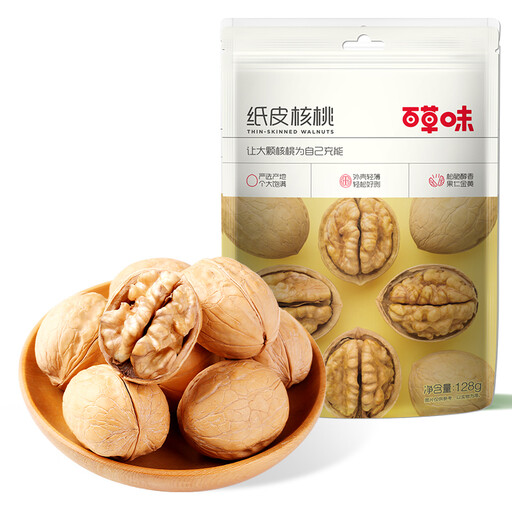 Image unavailable
The individual packs are designed for separate snacks on the go; bear in mind that you’ll need to crack the walnuts first.
The product information lists 74,9 g of fat per 100 g. Contains walnuts.
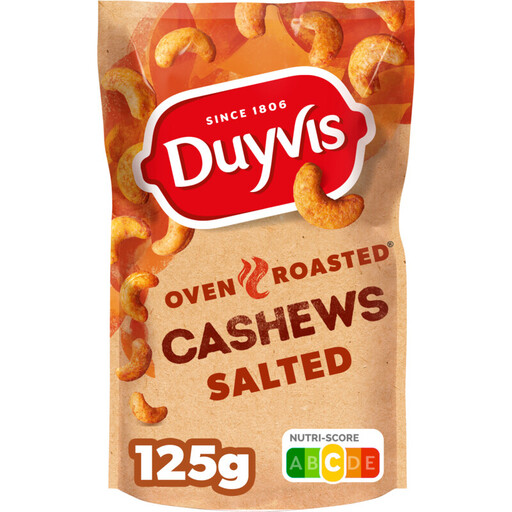 Image unavailable
The stated number of portions may be useful if you want to use the pack for several snack breaks.
The product information lists 43 g of fat per 100 g and 4–5 portions per pack. Contains cashews.
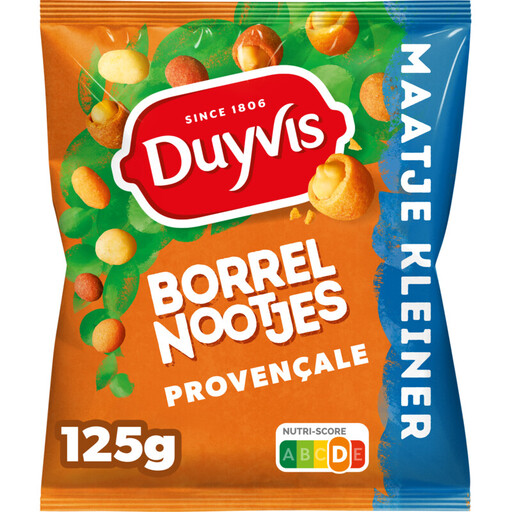 Image unavailable
The product information gives a portion size of 30 g, making it easy to measure out an amount in advance.
The pack is listed as containing 4–5 portions and 33 g of fat per 100 g. Contains peanuts and wheat; may contain milk, nuts, soya and mustard.
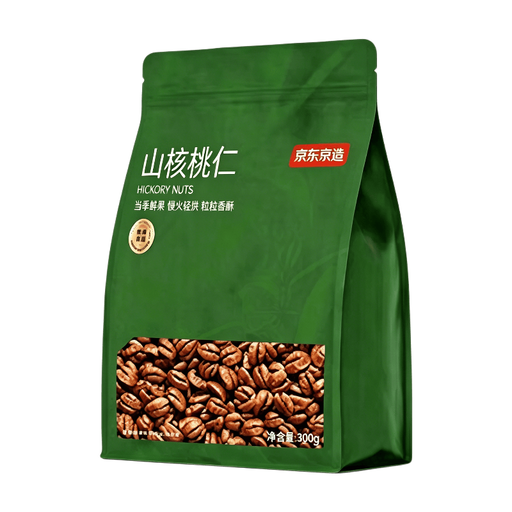 Image unavailable
The individual packs are described as easy to carry for snacks on the go.
The product information lists 46,4 g of fat per 100 g. The ingredients list includes sugar and salt.
 Image unavailable
This unsalted mix is a regular nut snack; choose a portion based on how much you want to eat.
The product information lists 52,1 g of fat per 100 g. Contains peanuts, almonds, cashews, Brazil nuts and hazelnuts.
No, not on those characteristics alone. According to the European Commission, a solid food must contain no more than 3 g of fat per 100 g to be labelled low fat; check the nutrition table for the specific variety.
No. The historical Albert Heijn product page compared Duyvis Oven Roasted Borrelnoten Sweet Paprika with the average amount in regular peanuts in a crispy coating. The same page listed 21 g of fat per 100 g; the claim doesn’t automatically apply to other nuts or varieties.
Measure out in advance the amount you want to eat during that snack break. For the cashews examined, Albert Heijn lists a 25 g portion; for another variety, use its own nutrition table and portion information.
Follow the storage instructions on the pack and seal the bag securely after use. For the AH cashews examined, Albert Heijn recommends storing them in a cool, dark and dry place; this product-specific advice doesn’t automatically apply to every nut snack.
Tell visitors which allergens are present and make clear which types of nuts are included; handle food and equipment hygienically. The NVWA sets out these requirements for providers and sellers. The NVWA also states that anyone who prepares and sells food several times a year must have an HACCP food safety plan.