
Vandaag of morgen in huis

Kwaliteit gegarandeerd

Welkomstaanbiedingen ontgrendelen: GRATIS bezorging | Tot 80% korting | Gratis 30 dagen JoyPlus-proefperiode
Download de app
If you want to bring authentic Asian cuisine into your home, you'll quickly discover fermented condiments. From Japanese miso to Korean gochujang, these ingredients provide a depth and complexity that salt and pepper alone can't achieve. But the Asian sauces aisle can be overwhelming. Jars and bottles with unfamiliar names make big promises, but what do you really need?
Many home cooks fall into the same traps. You buy a product with an appealing label, but it tastes mostly of sugar. Or you choose the wrong paste for your dish, making your miso soup too salty or your bibimbap not spicy enough. Another common mistake is buying an oversized package that, after a few uses, gets lost in the back of the fridge and spoils. A waste of money and flavour.
This guide helps you see through the marketing and choose the right fermented Asian condiments for your kitchen.
Before you put anything in your basket, it's wise to check three basic things. This will help you avoid a bad purchase and ensure you get the flavour you're looking for.
The core of the flavour is determined by the main ingredient and the fermentation process.
A quick glance at the label says a lot. Pay attention to the order of the ingredients. Are sugar or water listed first? Then you're likely buying a diluted or overly sweet sauce. Authentic products often have the fermented ingredient (like soybeans or fish) as one of the first components. Flavour enhancers like E621 (MSG) are often used, which isn't necessarily bad, but it can mask a less complex flavour.
Consider what you want to use the condiment for.
To help you get started, we've matched some popular choices with different cooking styles.
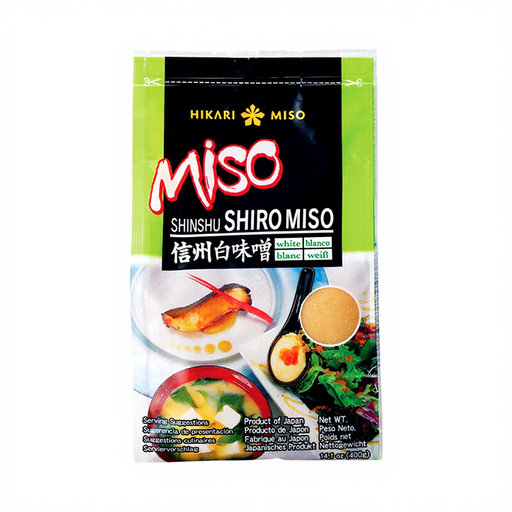
Why This Fits Their Persona: This mild, slightly sweet white miso is a perfect starting point. It's not overpowering and works well in soups, dressings, and light marinades, offering an approachable introduction to umami condiments.
The ingredient list is short and clear, with no unexpected additives. You know exactly what you're getting. The 400g package is practical and prevents waste when you're just starting to experiment.
Made from fermented soybeans and rice. It imparts a natural, deep flavour to dishes without artificial additives.
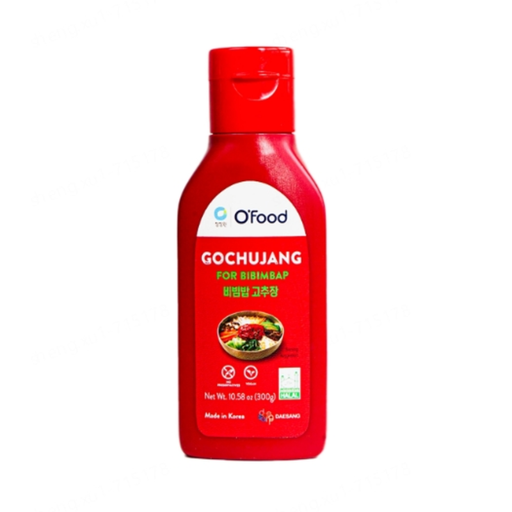
Why This Fits Their Persona: If you want to make authentic Korean dishes like bibimbap or tteokbokki, a good gochujang is essential. This version from the renowned Korean brand Chung Jung One offers the signature combination of spicy, sweet, and savoury.
This isn't a generic 'hot sauce' but a specific fermented soybean paste with chilli, intended for Korean cuisine. The clear 'for Bibimbap' application helps you make the right choice and prevents a disappointing result.
Authentic Korean flavour. Halal certified, making it accessible to a wider audience.
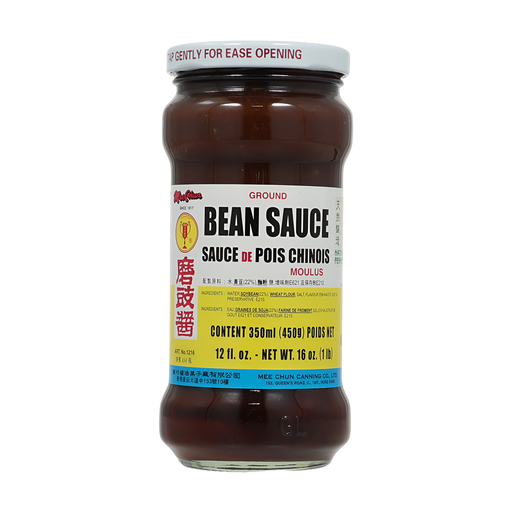
Why This Fits Their Persona: For those seeking a deep, salty, and complex umami flavour for Chinese-style stews or stir-fries. This Chinese black bean sauce is a concentrated flavour bomb.
Unlike many diluted sauces, this product contains 22% soybeans. This ensures a robust and authentic flavour, so you're not buying a jar that consists mainly of water and sugar.
Delivers a powerful, savoury umami flavour essential for many Cantonese dishes. Excellent for marinating and stewing.
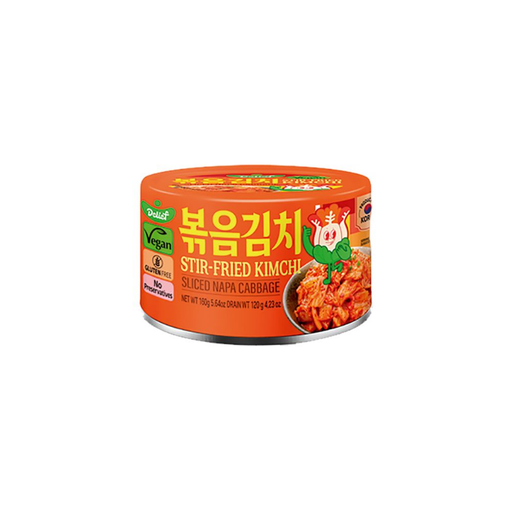
Why This Fits Their Persona: For the cook who loves the sour, spicy, and 'funky' flavour of kimchi. Ideal as a quick side dish or as an ingredient in kimchi pancakes, noodles, or fried rice.
Large jars of kimchi can be too much for an average household and may spoil after opening. This 160g can is a perfect portion size, prevents waste, and is shelf-stable.
Ready-to-eat and can be used immediately. Convenient, small packaging for controlled use.
We have compiled a complete, up-to-date list of products that meet these selection criteria.
Most fermented pastes have a high salt content, which acts as a preservative. After opening, it's best to store them in the refrigerator in their original, tightly sealed packaging. Miso and gochujang will then stay good for months. For miso, press a piece of plastic wrap directly onto the surface of the paste to reduce dehydration and oxidation.
Both are fermented soybean pastes, but there are differences in production and taste. Miso is often made with rice or barley (koji) in addition to soybeans, resulting in a flavour that can range from sweet and mild (white) to salty and earthy (red). Doenjang is traditionally made only from soybeans and salt water, giving it a sharper, saltier, and more complex flavour. Doenjang is a fundamental ingredient in many Korean stews (jjigae).
Absolutely, this is a common technique in many Asian cuisines to create layered flavours. For example, a common combination in Korean cooking is gochujang (spicy/sweet) and doenjang (salty/savoury). Experiment with small amounts. A little fish sauce, for instance, can enhance the umami flavour in a dish with miso or soy sauce.
