
Quickly blend soup in the pan
You get home after class with cooked soup and want to blend it without transferring it first. Consumentenbond describes blending soup in the pan as a practical use for a stick blender.


If your fennel soup is cooked and you want to blend it quickly after an evening class, a stick blender used directly in the pan is the most straightforward choice: there’s no need to transfer the soup. A heat-resistant jug blender could be a good option if you’re after a particularly smooth texture or want to make several portions, but check the temperature and filling limits and be prepared to transfer the soup. A soup maker is mainly worth considering if you also want the appliance to heat the soup. A soup setting doesn’t automatically mean the appliance cooks raw ingredients. Consumentenbond describes a stick blender as handy for blending soup in the pan, and advises letting hot ingredients cool slightly before using a blender.
You get home after class with cooked soup and want to blend it without transferring it first. Consumentenbond describes blending soup in the pan as a practical use for a stick blender.
You value a smooth texture or want to make several portions, and want to check the temperature limit for hot ingredients in a jug blender. Consumentenbond describes a jug blender as an option for larger quantities; Tefal gives a limit of 80 °C for the BL46EN38.
You’re looking for an appliance with a heating function for soup and will take account of the filling limit for hot recipes. Tefal gives a maximum of 1.2 litres for hot recipes with the BL5768F0; the Philips HR2204/80R1 is a refurbished version with a 1.2-litre jug.
| What to consider | What should you check? | Who is this important to? |
|---|---|---|
| Quick blending | Check that the blender foot is suitable for use in your pan and follow the instructions for hot soup. | I want to blend cooked soup straight in the same pan after class, without transferring it first. Around 33% of consumers prioritise quick blending in the pan. |
| Blending hot soup | Check the permitted temperature and filling limit for hot ingredients on the exact model, and follow the instructions. | I want to blend hot soup without exceeding the jug’s limits. Around 27% of consumers prioritise blending hot soup safely. |
| Texture and portions | Compare the usable capacity for hot soup, not just the total jug capacity; cook firm fennel until soft first. | I want a smooth result or to make several portions at once, and don’t mind transferring the soup. Around 20% of consumers prioritise texture and portions. |
| Cleaning and storage | Check which parts can be removed and how to clean them according to the instructions for that model. | After a late meal, I mainly want to clean and put away as few parts as possible. Around 20% of consumers prioritise having less washing-up. |
An appliance that can blend soup doesn’t necessarily heat it too. Preparation requirements also vary by model.
Check separately whether the appliance heats, which ingredients need to be cooked beforehand, and what temperature and filling limits apply.
For the Tefal BL5768F0, Tefal specifies a maximum of 1.5 litres for cold recipes and 1.2 litres for hot recipes.
Compare the usable capacity for hot recipes with the amount of soup you want to make at a time.
The Dutch government states that the Netherlands has no fixed statutory warranty period. You’re entitled to a product that works properly; if a product is faulty, the retailer is your point of contact.
Check exactly what extra rights additional cover gives you, and keep these separate from your statutory rights.
The ErgoMaster Serie 4 is a stick blender option for anyone who wants to blend soup in the pan.
The MultiQuick 7 MQ7035X is a stick blender option with variable speed control for blending in the pan.
Tefal offers both a jug blender for prepared soup and a model with a heating function here.
The SoupMaker HR2204/80R1 is an option if you want to prepare soup in one appliance.
These Joybuy products are stick blenders for anyone who wants to blend cooked fennel soup straight in the pan. When blending hot soup, always check the instructions and limitations for the specific model.
 No image available
The product description lists soup as a use, making it suitable for blending in the pan.
Features listed: 800 W, 20 speeds, a turbo setting and removable dishwasher-safe parts. The description warns against blending boiling liquids.
 No image available
The description says it can blend ingredients in deep pans, so you don’t need to transfer the soup first.
Features listed: 36.5 cm reach, standard and turbo settings, a 500 ml chopper, a 500 ml measuring beaker and a 1.5 m cord. According to the description, the parts are dishwasher-safe.
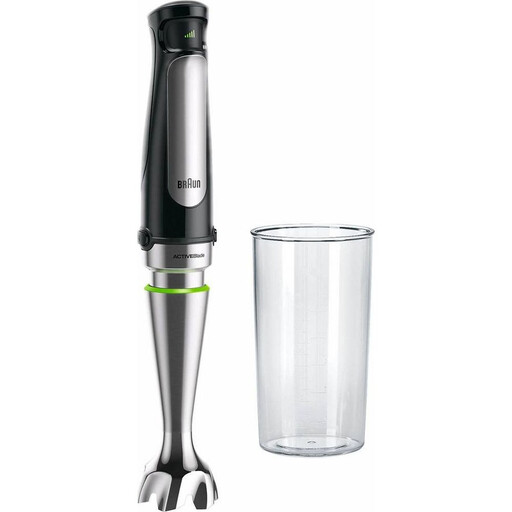 No image available
The design of this stick blender is suited to blending in the pan; the description mentions an ActiveBlade foot.
Features listed: 30 speeds plus pulse and a 600 ml measuring beaker.
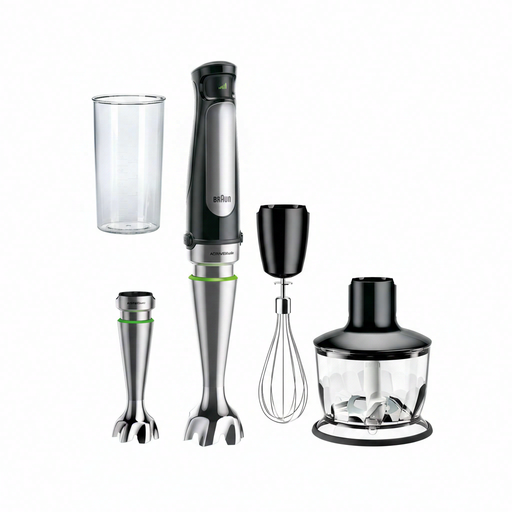 No image available
According to the description, the flexible ActiveBlade foot is designed to blend food, making it suitable for soup in the pan.
According to the description, Easy SmartSpeed varies the speed according to how hard you press the button.
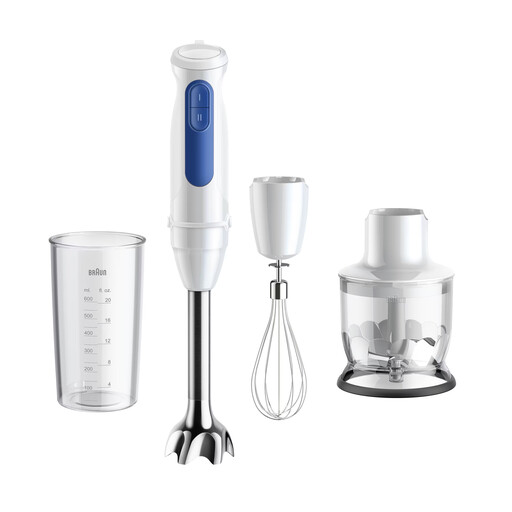 No image available
The product description lists soup as a use and mentions removable parts for cleaning.
Features listed: 900 W and two speeds. According to the description, the parts are dishwasher-safe.
Yes, cook firm vegetables until tender first. According to Consumentenbond, cooked vegetables are easier to blend; add liquid if needed rather than forcing a dry, thick mixture through the blender.
No. Check the temperature and filling limits for the specific jug and follow the instructions. Consumentenbond advises letting hot ingredients cool slightly first; Tefal gives a limit of 80 °C for the BL46EN38.
Voedingscentrum advises covering leftovers, letting them cool and putting them in the fridge within 2 hours of cooking. Set your fridge to 4 °C.
No. According to the Dutch government, the Netherlands has no fixed statutory warranty period. You’re entitled to a product that works properly; if a product is faulty, the retailer is your point of contact. Check separately what a manufacturer’s warranty or paid extended cover adds.
CE marking is compulsory for electrical equipment covered by the Low Voltage Directive. The Netherlands Food and Consumer Product Safety Authority gives a range of 50 to 1000 V AC for that directive; check whether it applies to the specific appliance. CE marking on its own isn’t an independent performance test result.