
Vandaag of morgen in huis

Kwaliteit gegarandeerd
Download de app
Categorieën

Choosing a fatbike can be a challenge. The market is vast, and specifications aren't always clear. The wrong choice can lead to a bike that doesn't meet your needs or, worse, is unsafe. This article serves as a practical guide. We focus on the facts—product parameters, materials, and intended uses—to help you make an informed decision when buying a fatbike.
A fatbike, also known as a fat-tyre mountain bike, is designed for versatility. Its wide tyres provide grip and stability on surfaces where a standard bike would struggle, such as sand, snow, or muddy forest trails. It's a true all-terrain bike.
To select the right fatbike, it's helpful to understand a few key specifications. These parameters determine the bike's performance, durability, and suitability for a specific rider.
Based on the criteria above, we have selected a range of HILAND fatbikes. These models demonstrate a clear focus on functional specifications and safety.
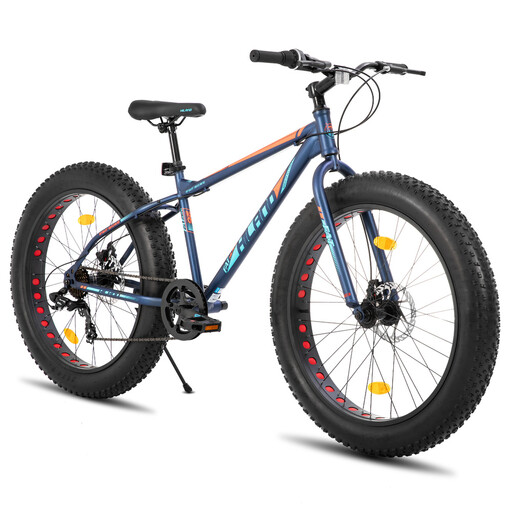
Why This Product: This 24-inch model is an excellent transitional bike. It combines the robust features of an adult fatbike with a size suitable for growing riders. The specifications are geared towards performance and safety, featuring a Hi-ten steel frame, dual disc brakes, and a reliable Shimano 7-speed gear system.
Advantages:
Who It's For: Ideal for older children and teenagers looking for a serious all-terrain bike. Also suitable for shorter adults who prefer a more agile model.
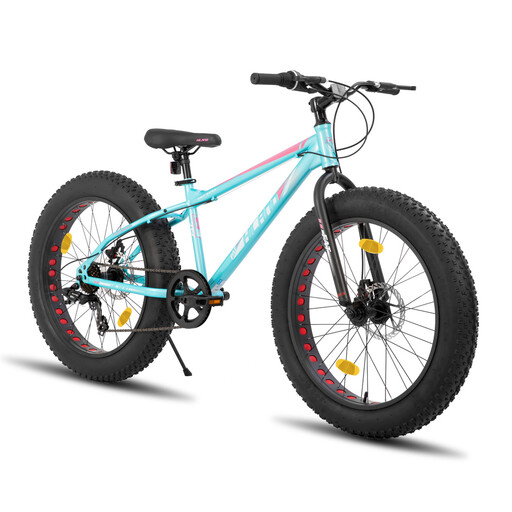
Why This Product: This is the full-sized model for adults. The 26-inch fatbike wheel size offers the right proportions for the average adult rider. The bike is built with the same reliable components as its smaller counterparts, including a durable steel frame and dual mechanical disc brakes, ensuring a consistent user experience.
Advantages:
Who It's For: An excellent choice for the adult fatbike rider looking for a robust and versatile bike for recreational rides through nature or along the beach.
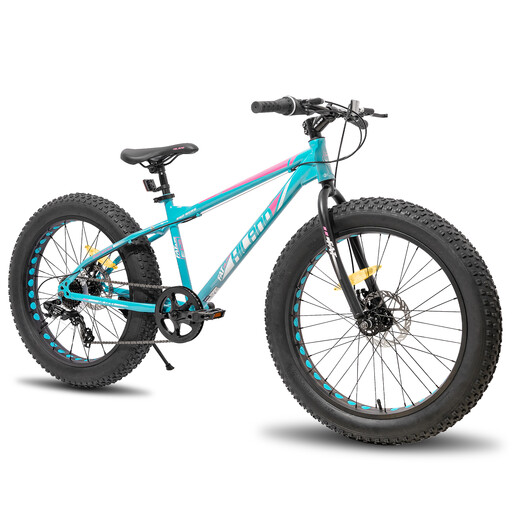
Why This Product: This 20-inch fatbike is designed to introduce younger riders to off-road cycling. Unlike many kids' bikes, this model is equipped with serious components. The inclusion of a Shimano 7-speed derailleur and dual disc brakes makes it a functional fat-tyre mountain bike, not just a toy.
Advantages:
Who It's For: The ideal fatbike for kids who are ready for an adventurous bike and want to learn the basics of shifting and off-road riding.
While a fatbike is an excellent choice for adventure, it's not the only option for everyone. If you are specifically looking for a bike for a younger rider and are considering a more traditional model for daily use, such as riding to school, a standard kids' bike might be a better fit.
Check out our range of Girls' Kids' Bikes for more options in various styles and sizes.
1. Is a fatbike heavy to ride? Although a fatbike is heavier than a road bike, it's easier to pedal than you might think. Once up to speed, the wide tyres create a certain momentum. Thanks to the gears, you can adjust the pedalling resistance to suit the conditions, making riding a fatbike less strenuous than its appearance suggests.
2. Can I use a fatbike on public roads? Yes, in many regions, a fatbike without electric pedal assistance is legally considered a standard bicycle. This means you can ride it on public roads and cycle paths. However, just like with any other bike, ensure you have the required lights and reflectors when riding in the dark or in poor visibility, according to your local regulations.
3. How do I maintain the fat tyres? Maintenance is similar to that of regular bike tyres, but there are a few key points. Check the tyre pressure regularly. The optimal pressure is often lower than on a city bike and depends on the surface you're riding on. Lower pressure provides more grip on soft terrain like sand. Keep the tyres clean to extend the life of the rubber.