
Vandaag of morgen in huis

Kwaliteit gegarandeerd

Welkomstaanbiedingen ontgrendelen: GRATIS bezorging | Tot 80% korting | Gratis 30 dagen JoyPlus-proefperiode
Download de app
When you’re looking for Farmina cat food, you’ll quickly come across terms such as grain-free, high in animal protein, quinoa and omega fatty acids. They sound appealing, but not every option is right for every cat. An adult indoor cat has different nutritional needs from a kitten, a neutered cat or a cat that reacts badly to certain ingredients.
As a Joybuy Product Recommendation Officer, I filter the key product information in a practical way. This makes it easier for you to compare Farmina N&D cat food using verifiable details, rather than relying on marketing claims alone.
An analytical protein percentage of, for example, 44% tells you how much crude protein the food contains. It doesn’t automatically mean that 44% of the recipe is meat. So check the ingredients list too. If fresh or dried animal ingredients appear near the top, that gives you more context for the claim that the food is “high in animal protein”.
Grain-free cat food contains no grains, but that doesn’t automatically make it easier for every cat to digest. Grain-free recipes may contain ingredients such as peas, chickpeas, potatoes or sweet potatoes. So look at the full composition, not just the front of the pack.
A 5 or 10 kg bag may cost less per kilo, but opened dry food gradually loses its aroma and freshness. If your cat is a fussy eater or needs a specific variety, a smaller pack may be a better choice. Also check whether you can store the bag in a cool, dry place and keep it airtight.
First, choose the right category:
Farmina N&D is available with chicken cat food, as well as lamb, fish, quail, wild boar and cod. A recipe with one dominant animal protein source can be useful if you want to keep your cat’s diet straightforward. However, check whether fish oil, egg or other animal ingredients have also been added.
Compare at least the following for each variety:
The values are usually minimum or maximum levels. Use them to compare varieties, but always adjust the amount according to your cat’s body condition, age and activity level. The feeding guide on the pack should take priority.
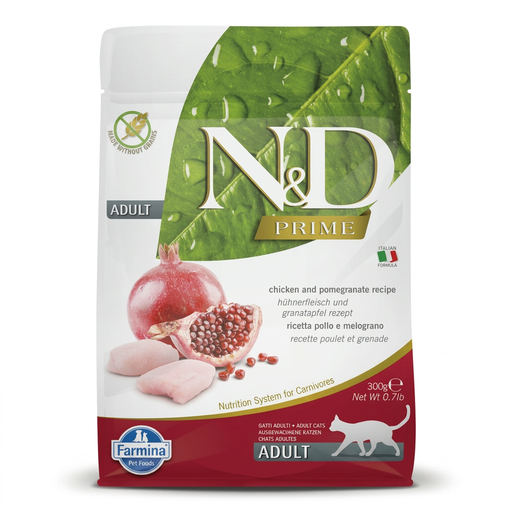
Why it suits this profile: The 300 g pack lets you try a new flavour without having to buy a large supply straight away. The recipe is intended as a complete cat food.
The small bag helps reduce waste if your cat doesn’t like the flavour. The product information lists 36% crude protein and 20% crude fat.
The ingredients include chicken, dried chicken, herring and egg. This grain-free food is designed as a complete everyday dry food.
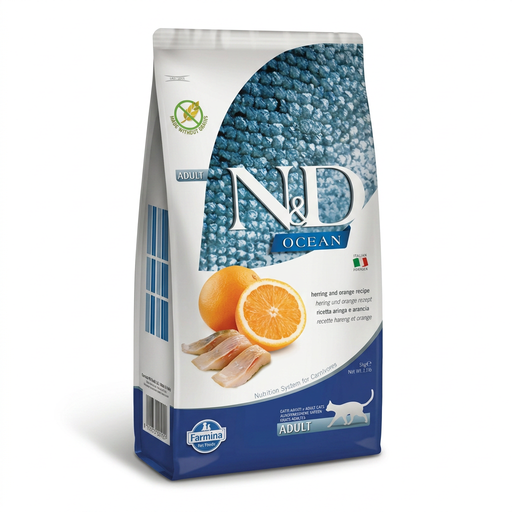
Why it suits this profile: This large pack is intended for households with an adult cat that eats a fish recipe every day and where keeping a regular supply is practical.
The ingredients list herring, dried herring and hydrolysed fish among the key ingredients. According to the product information, the protein content is at least 44%.
A grain-free recipe with no rice, maize, soya, peas or lentils according to the product description, and at least 0,80% DHA and 0,50% EPA.
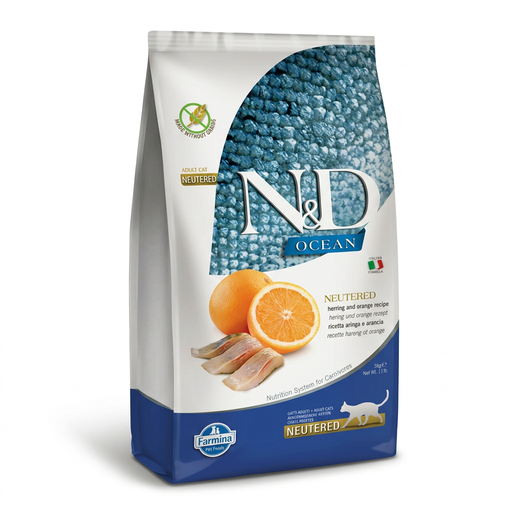
Why it suits this profile: This variety is specifically labelled as a complete cat food for neutered adult cats, and is suitable for owners who want to measure portions carefully.
The fat content is listed as 11% and the protein content as 46%. This makes it easy to compare the variety with standard dry cat food using the stated figures.
Herring and dried herring protein are listed as the main sources. The product information states 5.000 mg of taurine per kilogram and 400 mg of L-carnitine per kilogram.
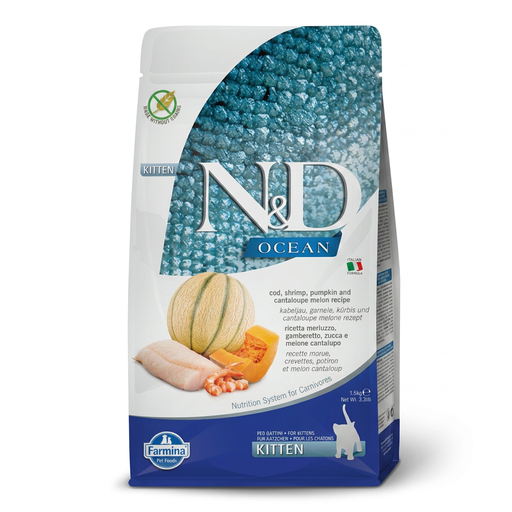
Why it suits this profile: According to the product information, this recipe is intended for kittens and pregnant or nursing cats. The 1.5 kg pack is practical when feeding requirements are changing quickly.
You’re not simply choosing adult food for a young cat: the life stage is clearly specified. The protein content is at least 44% and the fat content at least 20%.
Cod, dried cod and dried shrimp provide the listed animal protein sources. The recipe contains fish oil and is grain-free according to the product description.
We’ve put together a complete, up-to-date list of products that meet these strict selection criteria and current European safety regulations.
Gradually mix the new food into your cat’s current food. A transition of at least seven days is a practical guide: start with a small amount of the new food and increase it gradually. Keep an eye on your cat’s stools, appetite and body condition. Always provide fresh drinking water and follow the feeding guidelines on the pack.
If symptoms persist, your cat has a known food allergy or is on a veterinary diet, it’s best to consult your vet. Marketing terms such as “for sensitive cats” are no substitute for individual feeding advice.
That depends on the variety you choose. According to the product information, Farmina N&D Prime Neutered Chicken and Farmina N&D Ocean Neutered Herring are intended for neutered cats. Pay particular attention to the fat content, serving instructions and your cat’s energy needs.
Store dry food in a cool, dry place, sealed tightly and away from direct sunlight. The exact shelf life after opening varies by product and pack, so check the date and instructions on the bag. A smaller pack can help you use the food within the recommended period.
Not every N&D variety has the same ingredients. Many popular varieties are grain-free, while other recipes may contain ingredients such as spelt or oats. Always check the latest ingredients list for the specific product before ordering, especially if you’re looking for grain-free cat food.
