
Baker making lots of parcels
Needs enough baking tray space for a fundraising sale, so compares usable dimensions, the number of shelf levels and the trays included—not just the capacity in litres.


First, choose an oven that suits the number of parcels you can fit on a baking tray and the space in your kitchen. A compact freestanding oven may suit smaller batches, while a larger model or built-in oven with several shelf levels could be worth considering for larger batches. Capacity in litres doesn’t tell you how many parcels will fit at once, and an oven is no substitute for a plan to prepare, transport and store fish safely; the Voedingscentrum and NVWA provide separate guidance on this.
Needs enough baking tray space for a fundraising sale, so compares usable dimensions, the number of shelf levels and the trays included—not just the capacity in litres.
Needs to coordinate baking with thorough cooking, good hygiene, temperature control and information about fish as an allergen. The NVWA and Voedingscentrum provide separate guidance on this.
Is looking for a freestanding oven that will fit on the worktop, or checking whether the recess and available internal space will suit a built-in model.
Measure your parcels and the available space first, then see which oven, baking tray and shelf levels will suit your batches.
| What to consider | What should you look for? | Who should prioritise this? |
|---|---|---|
| Number of parcels per batch | Measure the parcels and usable baking tray; check how many trays are included and which shelf levels can be used. | If I’m planning a fundraising sale, I want to know how many parcels will fit on a tray. Around 36% of consumers put baking capacity first. |
| Safe baking and selling | Check whether any sensor is suitable for your recipe; also plan temperature control, chilling or keeping food warm, and allergen information. | If I’m preparing fish to sell, I want to be able to follow safe practices after baking too. Around 28% of consumers prioritise safe preparation and sales. |
| Fit and installation | Compare the external dimensions with the available space and installation instructions; for built-in models, check the recess dimensions too. | If my kitchen has limited space, I want to be sure the oven will fit where I plan to put it. Around 22% of consumers prioritise finding an oven that fits their kitchen. |
| Costs and aftercare | Check which baking trays are included, whether installation is needed and what the warranty covers. | If I need to factor in accessories or installation, I want to know in advance what comes with the oven. Around 14% of consumers prioritise overall costs and aftercare. |
The capacity in litres doesn’t tell you how many parcels will fit on a baking tray. The number of shelf positions also doesn’t tell you how many baking trays are included.
Measure a parcel and the usable baking tray, and check which trays are included before you buy.
A fan function won’t automatically ensure every parcel is cooked through, or tell you how to transport and store fish or what allergen information to provide when selling it.
Plan in advance how you’ll manage cooking, temperature control, transport and allergen information. Refer to the guidance from the Voedingscentrum and NVWA.
A freestanding model takes up worktop space; a built-in oven needs to fit the available recess and be installed according to the instructions.
Measure the space and check the installation details for the exact model before you choose.
Freestanding fan ovens for anyone looking for a more compact or larger worktop model.
A built-in option for anyone with a suitable recess who is considering several shelf levels.
Built-in ovens with models that offer fan cooking on several shelf levels.
A built-in option for anyone looking for an integrated food sensor as well as a fan function.
This selection includes freestanding ovens and a built-in oven with a range of baking functions. Check each model’s functions and dimensions, and make sure its installation requirements suit your recipe and kitchen.
 No image available
A freestanding model to consider if you’re looking for several baking positions; check that the rack dimensions suit your parcels.
The product information lists a 35-litre capacity, a thermometer and circulating hot air.
 No image available
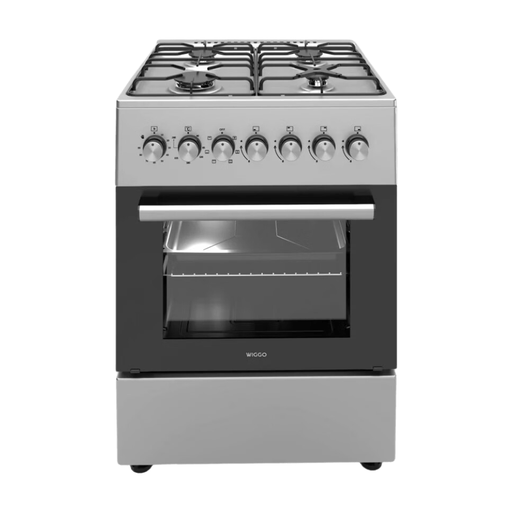
A freestanding gas oven to consider if you’re looking for a gas model; based on the product information provided, this is not a fan oven.
The product information lists a 66-litre capacity. Professional installation and a gas connection are required; keep the ventilation openings clear and ensure good ventilation during use.
 No image available
A built-in model to consider if you want to use several shelf levels and have a suitable space for installation.
The product information lists 3D Hotair for up to three levels. Installation by a qualified electrician is required.
 No image available
A freestanding oven to consider if you want a fan function and have space for it on your worktop.
The product information lists a 45-litre capacity and a fan function. Place the oven on a stable, heat-resistant surface and keep the ventilation openings clear.
 No image available
A freestanding oven with a baking function to consider if you’re looking for a more compact setup; check that its capacity suits the size of your batches.
The product information lists a 30-litre capacity, 21 programmes and six included accessories.
No. Measure the parcels too, and check the usable internal dimensions and baking tray size. The Consumentenbond recommends checking an oven’s internal dimensions when choosing one, as the stated capacity doesn’t determine which dishes or parcels will fit.
Cook raw fish all the way through, as recommended by the Voedingscentrum. The NVWA recommends using a digital probe thermometer to check the temperature; the oven setting alone doesn’t tell you the temperature inside the fish.
Don’t assume that you can: plan for safe temperature control, transport and, if needed, rapid cooling. For unpackaged perishable food, the NVWA recommends chilling at 7 °C or below, or keeping it hot at 60 °C or above, depending on how it is being offered for sale.
The NVWA states that a food safety plan is required for anyone who prepares and sells food several times a year. Whether this applies to your activity depends on how often you do it and how it is organised; safe, hygienic practices are always important.
Fish is one of the allergens consumers must be informed about. The NVWA says allergen information for non-prepacked products must be available before purchase, either in writing or verbally under the applicable conditions; for prepacked products, the information must appear on the label. Check the other ingredients in your recipe too.