
Parent preparing lots of portions
Wants to roast enough carrots for the school fair, so compares usable baking trays and batches rather than looking only at capacity in litres.


Start by checking the usable baking tray space and how many batches you can fit in before the school fair. Then choose between a built-in oven and a freestanding model based on the space available in your kitchen. The stated capacity or number of shelf positions won’t tell you how many carrots you can roast well at once. You’ll also need a plan for preparing, storing and transporting the food hygienically, as well as serving it.
Wants to roast enough carrots for the school fair, so compares usable baking trays and batches rather than looking only at capacity in litres.
Needs a freestanding oven and checks that both the appliance and the baking tray it needs will fit in the available space.
Plans not just the baking, but also hygienic preparation, transport, storage and information about allergens in the dish.
A good fit if: you have a suitable built-in space and want to consider using several baking trays per batch.
Bear in mind: the space, connection and tray sizes; having several shelf positions doesn’t guarantee an even result with fully loaded trays.
A good fit if: you don’t have a suitable built-in space, but do have a suitable spot for a freestanding appliance.
Bear in mind: the external dimensions, space needed and usable baking tray area; the stated capacity in litres doesn’t tell you how many portions you can make.
| What to consider | What should you check? | Who is this important for? |
|---|---|---|
| Portions per batch | Compare the usable tray sizes and the number of trays that fit with your portion plan. Check how many levels the model supports for fan cooking. | If I want to roast enough portions for the fair, usable tray space is what matters most. Around 31% of consumers make baking capacity their top priority. |
| Roasting results | Check the fan function and temperature range of the exact model. Try out the planned quantity and tray arrangement before the fair. | If you’re mainly looking for the right roasting results, it’s worth trying the oven with your chosen recipe. Around 25% of consumers put roasting results first. |
| Positioning and dimensions | Measure the built-in space or spot where the oven will stand and compare it with the exact model’s dimensions. Check the connection too. | If I have limited kitchen space, the oven needs to fit properly. Around 19% of consumers make positioning their top priority. |
| Serving food safely | Plan portions and preparation with transport and serving in mind. Make a note of the ingredients and any allergens. | If you’re selling the carrots at school, you’ll also need to work hygienically and organise serving properly. Around 13% of consumers put serving food safely first. |
| Use and extra trays | Compare energy consumption on the same basis and check which baking trays are included and whether you’ll need any extras. | If I also use the oven for smaller quantities, I want to match its size, energy use and the trays I need to the way I’ll use it. Around 12% of consumers make running costs and extra items their top priority. |
The capacity in litres doesn’t tell you how many carrots fit on a tray or how many trays you can use at once.
Compare the tray sizes and included accessories with your portion plan, and test the arrangement in advance.
The stated recess height or oven width alone doesn’t confirm that the appliance will fit in your kitchen.
Before you buy, check the full installation details and connection requirements for the exact model.
Once the food is cooked, hygienic handling, suitable storage, transport and information about any allergens still matter.
As well as a baking plan, make a separate plan for the whole recipe, transport and serving.
A built-in option to consider if you want to explore using several shelf positions.
A freestanding option with a stated capacity of 60 litres for the OV607B.
A freestanding option if you’re considering a smaller appliance.
A built-in alternative with turbo fan cooking, if you have a suitable space.
A built-in alternative if you’re also considering several baking levels and included trays.
This selection includes different types of oven, including freestanding models and built-in ovens. Check whether each model’s cooking function, positioning and capacity suit your plans.
 No image available
The title describes this as a convection oven. Check whether the tray arrangement suits the quantity of carrots you want to cook.
The title lists a capacity of 35 L, a four-level baking rack, a thermometer and an LED display.
 No image available
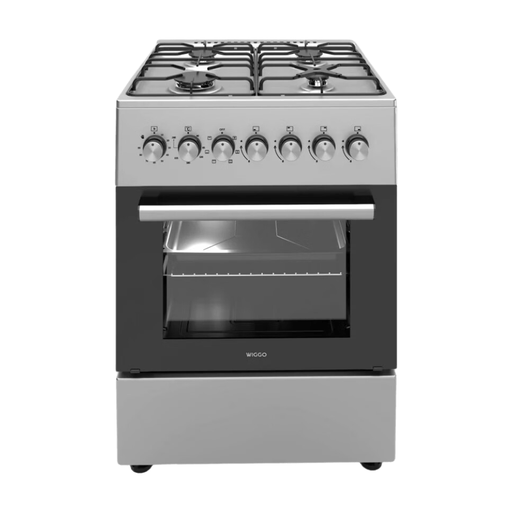
This model could suit you if you’re looking for a freestanding gas oven. Check that the available space and connection are suitable.
The title lists a width of 60 cm, an inox finish and Energy A. The product description states a capacity of 66 L and a grill function.
 No image available
This freestanding model could suit you if you’re looking for a separate oven. Measure the space where it will stand and compare the baking area with your portion plan.
The title lists a capacity of 65 L and 2000 W. The product description states a 90-minute timer, four shelf positions and an enamel interior.
 No image available
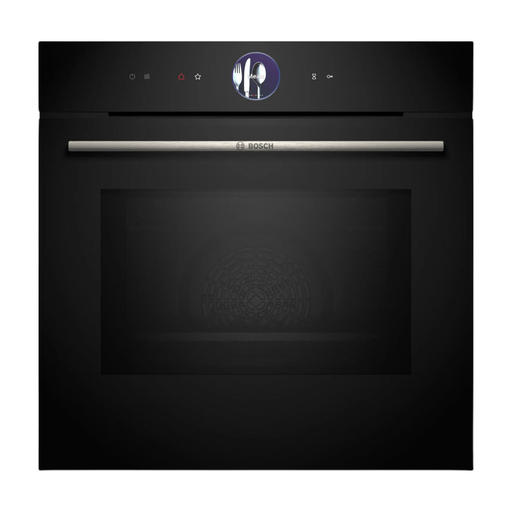
This built-in model could suit you if you have a suitable space. Check the full built-in dimensions and connection requirements.
The product description lists 4D Hotair, a temperature setting of up to 300 °C and five shelf positions.
 No image available
This built-in model could suit you if you have a suitable space and want to consider using several baking levels. Check the dimensions for your kitchen.
The title lists a capacity of 71 L. The product description states that 3D Hotair works on up to three levels and gives built-in dimensions of 58,50 × 56,80 × 55 cm.
Compare the number of portions you want with the usable dimensions and the number of baking trays that fit. Test your planned arrangement before the fair; the capacity in litres doesn’t tell you how many portions you can make.
You can try this in advance with your chosen recipe and oven. If needed, swap the trays around and turn the vegetables, if the cooking method calls for it.
Plan hygienic preparation, transport, storage and serving around the whole dish. Voedingscentrum advises keeping perishable products at 4 °C and throwing them away if they have been out of the fridge for more than two hours. Don’t apply this automatically as a legal storage time for every carrot dish.
Yes. If the dish you’re offering contains allergens, you must tell customers where the product is being offered. The NVWA says this information can be provided in writing or verbally. Check sauces, seasoning mixes and toppings too.
Not simply because you’re organising one school fair. The NVWA states that a food safety plan based on HACCP is required for sales at markets and events for anyone who prepares and sells food several times a year. Whether that condition applies to your situation depends, among other things, on the organiser and how often you do it. You must still work hygienically.