
Baking for a group
You want to bake a cobbler in one dish for guests. Measure your dish and check that it fits in the oven. Consumentenbond recommends comparing the internal dimensions with the largest baking dish you use.


Start by measuring your baking dish and comparing it with the usable internal dimensions and the oven shelf: the capacity in litres alone won’t tell you whether your dish will fit. A freestanding oven could be a good choice if you don’t have a suitable built-in space; a built-in oven needs a properly sized housing. For both types, check that they have the cooking functions you need and, where possible, compare energy use per baking session or per year.
You want to bake a cobbler in one dish for guests. Measure your dish and check that it fits in the oven. Consumentenbond recommends comparing the internal dimensions with the largest baking dish you use.
You’re looking for a freestanding appliance, so you’ll need to assess both the oven capacity and the space available on your worktop. Check the model’s installation instructions too.
You have a suitable built-in space and are comparing internal capacity, shelf positions and ease of use. When comparing ovens, Milieu Centraal also recommends looking at electricity use per baking session or per year.
First, decide whether you have a suitable built-in space or a suitable place for a freestanding appliance. Then measure your dish and check which cooking functions and product information apply to your chosen oven.
| What to consider | What should you check? | Who is this important for? |
|---|---|---|
| Baking dish | Measure the width, depth and height of your dish and compare them with the usable internal dimensions and the oven shelf. | If I’m baking for guests, I want to be sure my dish will fit; around 36% of consumers make dish fit their first consideration. |
| Cooking functions | Check that the specific model has a fan function and, if you want to use them, top and bottom heat. | If you want to bake the fruit filling with a layer of pastry, first check which oven settings are available; around 29% of consumers prioritise the cooking function. |
| Space in your kitchen | For a built-in oven, compare the housing and appliance dimensions; for a freestanding oven, check its external dimensions and installation instructions. | If I don’t have a suitable built-in space, I first need to find somewhere suitable for a freestanding model; around 21% of consumers start with their kitchen layout. |
| Energy use and cleaning | Where possible, compare energy use per baking session and check the cleaning instructions for the model. | If you also consider ease of use and cleaning, you’ll want to know what the chosen size and cleaning method involve; around 14% of consumers make this their first consideration. |
Consumentenbond distinguishes between the stated capacity and the space you can actually use. Your baking dish could therefore be too large for the usable internal space.
Measure your dish and compare it with the internal dimensions and oven shelf of the specific model.
If your dish doesn’t fit, you may need a smaller baking dish.
Severin lists a fan function for the TO 2068, but the TO 2052 is a different model and its product information says it doesn’t have one.
Check the full model number and listed oven functions before you choose.
The housing and connection requirements must be suitable for the built-in model. Milieu Centraal also points out that a larger oven generally uses more energy.
Measure the housing, check the connection instructions and compare energy use per baking session for suitable models.
The freestanding OV457B is one option if you don’t have a built-in space.
The HBA534BB3 built-in oven is worth considering if you have a suitable housing and want to use several shelf positions.
The OM316MZ is a built-in option if you’re looking for a larger oven cavity.
The TO 2068 is an example of a compact, freestanding fan oven.
This selection includes freestanding and built-in ovens for different kitchen layouts. Check each model for the cooking function you need and make sure your baking dish will fit.
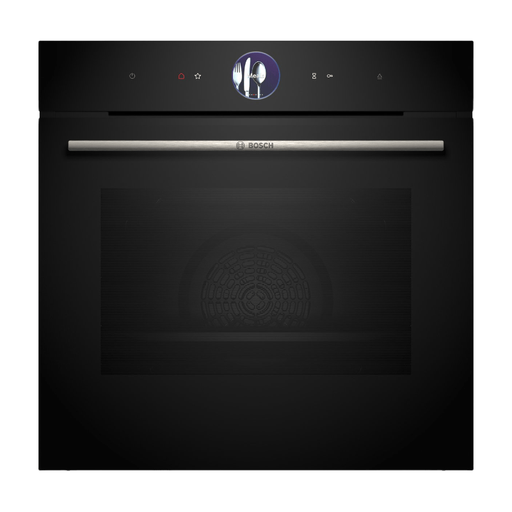 No image available
A built-in option if your kitchen has a suitable housing. Check the dimensions and the cooking functions you want to use for your recipe.
The product name lists a size of 60 × 60 cm; the model description mentions hot air.
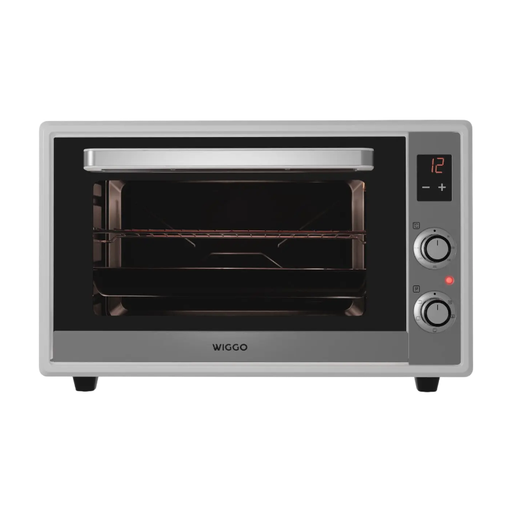 No image available
A freestanding model to consider if you don’t have a built-in space. Check that it has the cooking function your recipe calls for.
The product name lists a 65-litre capacity and 2000 W. The description mentions an optional turbo fan; the exterior can become very hot during use.
 No image available
A freestanding version if you need a spot outside a built-in housing. Check that the available cooking functions suit your recipe.
The product name lists a 65-litre capacity and 2000 W. The description mentions six functions and four shelf positions; the warning notes that surfaces get hot and recommends using oven gloves.
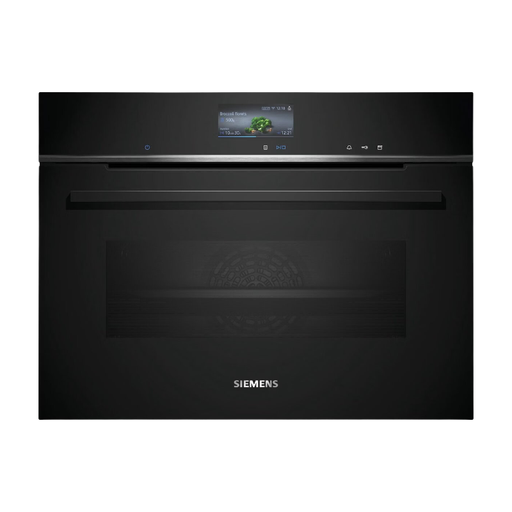 No image available
A built-in option if you have a suitable housing. Compare the dimensions and check that the available cooking functions suit the way you plan to use it.
The product name lists a 47-litre capacity, 4D hot air and pyrolytic cleaning.
 No image available
A built-in option if you have suitable housing. Measure it and check that your dish fits in the usable oven space.
The product name lists a 71-litre capacity and 3D hot air.
No. Compare the usable internal dimensions with your dish too. Consumentenbond recommends checking the internal dimensions and making sure your largest baking dish will fit.
It depends on the recipe and oven setting. Heel Holland Bakt gives 190 °C and 35 minutes for its blueberry cobbler. That’s a recipe instruction, not a universal setting for every dish, quantity or oven.
Follow the instructions for your specific model and let hot parts cool down safely first. Inventum recommends cleaning the OV457B with a soft, damp cloth and a little washing-up liquid. For the OM316MZ, ETNA describes a hydrolysis programme, after which you wipe away any remaining dirt with a cloth.
Not every small or portable oven is covered by the energy labelling rules for household ovens. The European Commission lists small and portable ovens as outside the scope of these rules, so the absence of this particular label doesn’t in itself prove that an oven is inefficient.