
Baker with a large gratin dish
Wants to know whether their dish, including the handles, will fit on a usable oven shelf. The Dutch Consumers’ Association recommends measuring your largest oven dish in advance.


Start by checking the size of your oven dish and the space available in your kitchen. A freestanding model needs a suitable spot on your worktop, while a built-in oven must fit the housing. Measure your dish, including the handles, and check the usable internal dimensions. The Dutch Consumers’ Association warns that the stated capacity in litres doesn’t tell you enough about the space you can actually use.
Wants to know whether their dish, including the handles, will fit on a usable oven shelf. The Dutch Consumers’ Association recommends measuring your largest oven dish in advance.
Is looking for a freestanding model and wants to compare the available internal space with the size of their dish and the space on the worktop.
Wants to cook other dishes as well as gratin, and take heating settings, cleaning and energy use into account. Milieu Centraal recommends comparing ovens by their electricity use per cycle or per year.
Start by checking that your dish fits and that you have enough space. Then compare the heating settings and practical features that matter in your kitchen.
| What to consider | What to look for when buying | Who should pay extra attention? |
|---|---|---|
| Will the gratin dish fit? | Measure the dish with its handles and compare the dimensions with the usable internal space and shelf height. | I want to be sure my dish will fit on a rack, handles and all. Consumers whose main priority is fitting their dish make up around 31% of shoppers with this need. |
| Will the oven type suit my kitchen? | Choose between a suitable spot on the worktop and a properly sized built-in housing. Also check the model’s installation instructions. | If I don’t have a suitable housing, I’m looking for a freestanding appliance with a suitable place to put it. If I have a built-in kitchen, I’ll check the housing first. Consumers who prioritise installation make up around 25% of shoppers with this need. |
| Which settings do I need? | Compare the settings with your recipe and check the manual for any guidance on converting it to fan oven settings. | I want to follow my recipe for the gratin and know whether the oven has the required setting. Consumers who are mainly looking for suitable heating settings make up around 25% of shoppers with this need. |
| Use and maintenance | Where applicable, compare energy use per cycle and check which cleaning functions the model has. | If I use my oven regularly, I want to consider energy use and cleaning without treating extra functions as essential. Consumers who prioritise running costs and maintenance make up around 19% of shoppers with this need. |
The stated capacity doesn’t tell you whether a dish with handles will fit through the opening or sit on the rack.
Measure your dish and compare its dimensions with the usable internal space, the door opening and the shelf height.
A chicory gratin recipe from Eef Kookt Zo uses conventional top and bottom heat. That doesn’t automatically mean it has been tested with fan oven settings.
Follow the instructions in your recipe and oven manual, and keep an eye on how well the top is browning as it cooks.
The European Commission excludes small ovens from the EU oven labelling scheme discussed here.
Compare kWh-per-cycle figures only when the ovens and the measurement basis fall under the same applicable scheme. Otherwise, compare their size and how you’ll use them separately.
The range discussed includes both freestanding fan ovens and built-in models, so first decide which type of installation suits your kitchen.
The BBIE12100BD is a built-in oven for anyone with a suitable housing who isn’t looking for a freestanding appliance.
The HBG7741B1 is a built-in oven where the controls and cleaning function may also influence your choice.
The freestanding OV-3635 is worth considering if you don’t have a built-in housing and can make space for a tabletop oven.
The products below range from built-in and freestanding ovens to an air fryer oven and a gas cooker with an oven. Check each model to make sure your dish will fit and that its listed heating settings suit your gratin recipe.
 No image available
A built-in option if you have a suitable housing and want to use both fan and grill settings.
The product information lists 10 functions, AquaClean steam cleaning and a timer. The title states 3 kW.
 No image available
A freestanding model to consider if you have space on your worktop and want convection cooking.
The product information lists a built-in thermometer and a baking rack with four levels.
 No image available
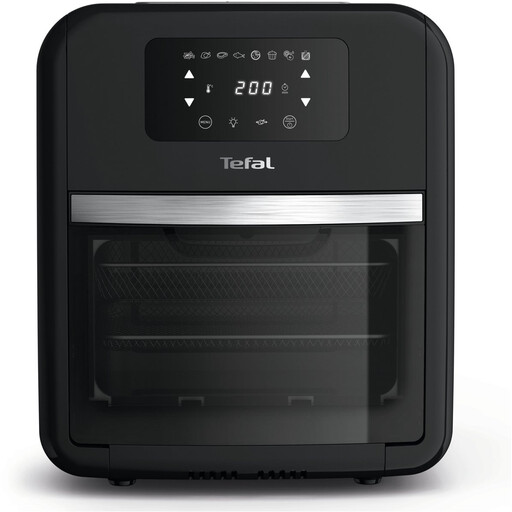
The product information lists baking and grilling functions. Check whether the stated 11 L capacity is enough for your dish.
The product information lists a temperature setting of 45–200 °C, multiple racks and removable dishwasher-safe parts.
 No image available
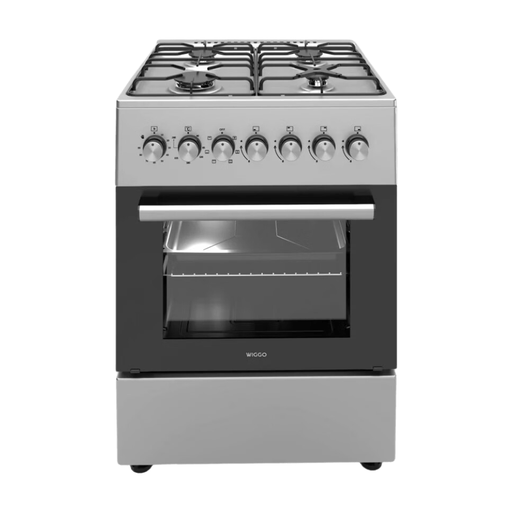
This model is a freestanding gas cooker with an oven. Check the product specifications to make sure it has the heating setting you want for your gratin.
The product information lists an oven capacity of 66 L, six programmes, four gas burners and a 2000 W grill. According to the product description, a professional installer must carry out the gas installation and connection.
 No image available
A freestanding model to consider if you want to grill as well as bake. Check the space available around the oven before buying.
The product information lists six cooking functions, a turbo fan, an enamelled interior and four shelf positions. According to the product description, the oven needs at least 10 cm of clearance on all sides and 30 cm above it.
No. A recipe from Eef Kookt Zo uses 180 °C conventional top and bottom heat and says to parboil the chicory first. Follow your own recipe’s instructions. Don’t use that temperature without adjusting it if your recipe or oven manual specifies a different fan setting.
Measure the dish, including its handles, and compare the dimensions with the usable internal space and the room on the rack. The Dutch Consumers’ Association advises against relying only on the oven’s stated capacity.
For ovens covered by the EU labelling scheme, compare the energy use per cycle in kWh and bear in mind the size you need. The European Commission excludes small ovens from the scheme discussed here, so don’t assume every tabletop model must have an oven label that allows direct comparison.
If your purchase is covered by Dutch consumer law, you’re entitled to a product that works properly, and the seller is your point of contact. The Netherlands has no fixed statutory two-year guarantee period. For distance purchases from a business, you’ll also often have a 14-day cooling-off period, according to the Dutch government.
Electrical equipment covered by the Low Voltage rules, for a rated AC voltage of 50 V to 1,000 V, must meet safety requirements and carry the CE mark. This is an obligation for businesses placing products on the market, not proof that a particular model has been independently tested. The European Union explains the scope of these rules in the Low Voltage Directive.