What should you look for in a fan oven for cheese scones?
Large built-in oven
Suitable if: you have a suitable housing unit and want to make the most of extra oven space for your gathering.
What to consider: measure both the housing unit and the baking tray; Bosch Nederland says the HBA514BB3 can bake on up to three levels.
Larger freestanding oven
Suitable if: you don’t have a built-in housing unit, but do have a suitable spot for a freestanding appliance.
What to consider: the stated capacity won’t tell you how many scones will fit on the supplied baking tray; Inventum lists one baking tray with the OV607B.
Compact freestanding oven
Suitable if: you bake smaller batches and have limited space.
What to consider: you may need extra batches if you’re baking for lots of guests; Severin lists the TO 2058 as having a capacity of 42 litres.
When you’re making cheese scones for a family gathering, your choice mainly comes down to baking space, recipe settings, installation and how you’ll use the oven afterwards.
| What to consider |
What should you check? |
Who should consider this? |
| Scones per batch |
Measure the usable baking tray and check which trays can be used at the same time with your chosen oven setting. |
If you’re making lots of scones for a family gathering, you’ll want to know how many will actually fit on a suitable tray. Around 36% of consumers consider baking capacity their top priority. |
| Oven setting and recipe |
Check that the oven has a fan setting and a suitable temperature range; follow the preheating instructions in your recipe. |
If you want to follow the settings in your cheese scone recipe, choosing an oven with the right setting is important. Around 29% of consumers focus mainly on recipe settings. |
| Suitable installation |
Measure the built-in housing unit or available space, and check the instructions for the exact model. |
If you don’t have a suitable housing unit or have limited space, you’ll want to know in advance whether your chosen model will fit. Around 21% of consumers make installation their top priority. |
| Using the oven after the gathering |
Compare the available energy consumption figures on the same basis and check the cleaning features. |
If you’ll also use the oven regularly afterwards, you’ll want to consider energy use and cleaning. Around 14% of consumers focus mainly on running costs and maintenance. |
Joybuy product picks
These product picks focus on electric built-in fan ovens for anyone looking for a suitable housing unit and baking space.
 Image unavailable
Comfee electric built-in oven, 60 cm
The product description mentions baking on several levels; check whether the usable tray size is suitable for your scones.
Features listed: 70 l capacity, 3 kW, grill, pizza function, AquaClean steam cleaning, timer and ECO Mode.
View at Joybuy
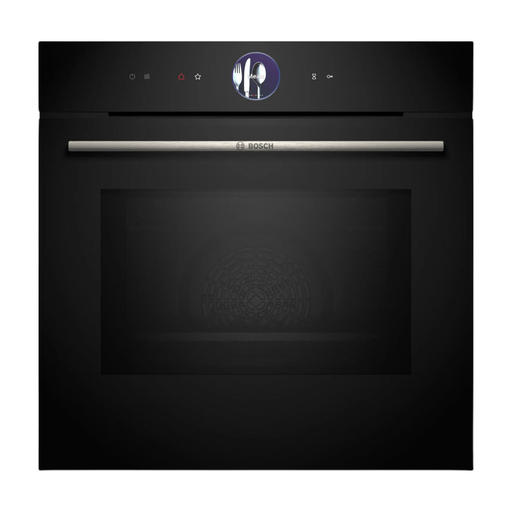 Image unavailable
Bosch HMG7361B1
A built-in option to compare if you’re looking for an oven with 3D fan cooking; measure the housing unit and usable baking tray space.
Features listed: 71 l capacity, pyrolytic cleaning, 3D fan cooking and Home Connect.
View at Joybuy
 Image unavailable
Bosch HBG536EB4
The product description mentions baking on up to three levels; check how many scones will fit on the baking tray.
Features listed: 71 l capacity, 3D fan cooking and a stainless steel finish.
View at Joybuy
 Image unavailable
Bosch HBF133BR0
A built-in option to compare if you want to make use of several baking levels; check the housing unit and baking tray size.
Features listed: 66 l capacity, five programmes, ecoClean, rapid preheating, and a stainless steel and black finish.
View at Joybuy
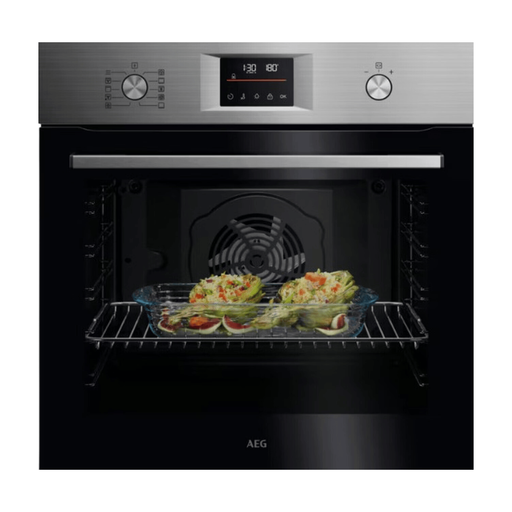 Image unavailable
AEG OU5PB40SM
A built-in option to compare if you’re weighing up fan cooking and a cleaning function; check that the housing unit fits your kitchen.
Features listed: 72 l capacity, pyrolytic cleaning, A++ energy rating and 45 programmes.
View at Joybuy
Frequently asked questions
Should you preheat the oven for cheese scones?
Follow the recipe you’re using. The Good Food cheese scone recipe says to preheat the oven with a large baking tray to 200 °C for conventional cooking or 180 °C for fan cooking; this isn’t a universal setting for all scones.
How can you compare the energy use of ovens?
For models with the relevant data available, compare the electricity used per cycle on the same basis. Milieu Centraal cautions that comparing energy labels alone can be misleading if the ovens differ in size.
What can you do if your oven develops a fault soon after purchase?
If you’ve used the oven normally and it has a fault that doesn’t match what you could reasonably expect from the product, the seller is responsible for providing a suitable solution, according to ACM ConsuWijzer. A manufacturer’s guarantee or paid-for additional cover doesn’t replace your statutory rights.
Is CE marking relevant for an electric oven in the Netherlands?
For electrical equipment covered by the applicable harmonised EU rules, the required CE marking is relevant when placing it on the market. Check the information for the exact model; a CE mark on its own isn’t an independent performance test.
How should you store scones if you bake them in advance?
The Voedingscentrum’s storage guide says that an opened scone can be kept in the fridge for two days or in the freezer for three months. If your scones contain different ingredients or a filling, ask for suitable additional storage advice.


