
Home baker making one cake
Primarily wants to choose an oven setting that suits the recipe for a lemon drizzle cake, without automatically needing extra features.


Choose an oven that fits your cake tin and has the setting specified in your recipe. Conventional top and bottom heat may be suitable for a single cake, while a fan oven is particularly useful if you want to bake more than one thing at a time. Then measure the usable interior and, for a built-in oven, the cabinet opening too. Capacity in litres alone doesn’t prove that your tin will fit.
Primarily wants to choose an oven setting that suits the recipe for a lemon drizzle cake, without automatically needing extra features.
Wants to plan several bakes and considers the space for baking tins, shelf positions and the capabilities of a fan oven.
Needs to weigh up whether there’s room for a built-in oven or whether a freestanding or compact oven would fit better in the kitchen.
Start with the baking setting and whether your tin will fit. Then consider whether you need extra oven space or a more compact installation.
| What to consider | What should you check? | Who should consider this most? |
|---|---|---|
| Baking setting and cake results | Check that the oven has the setting specified in your recipe, and follow the stated temperature and baking time. | If I’m baking the cake to a recipe, I want to be able to select the specified setting and check that it’s cooked through. Around 36% of consumers prioritise baking results and suitable settings. |
| Fit in your kitchen | Measure your baking tin and the usable interior space. For a built-in oven, measure the cabinet opening too and check the connection instructions. | If I want to use my existing baking tin, it needs to fit without the oven taking up more kitchen space than I have available. Around 29% of consumers give fit and installation top priority. |
| Space for more bakes | Compare the sizes of your tins with the interior space and check which settings are designed for baking on multiple shelves. | If I want to bake more than one thing for my family, space for the tins and the oven settings available are important. Around 21% of consumers prioritise baking several things at once. |
| Use and maintenance | Where applicable, compare the energy consumption per cycle on the label. Also check the cleaning method and what the installation includes. | If I’m also considering energy use, cleaning or help with installation, I want to be able to compare these points in advance. Around 14% of consumers give running costs and maintenance top priority. |
The capacity in litres alone won’t tell you whether your cake tin will fit on the shelf. With a built-in oven, the cabinet opening needs to be suitable too.
Measure your baking tin and compare it with the usable interior dimensions. For a built-in oven, measure the cabinet opening before choosing a model too.
The Consumentenbond notes that combi microwaves often have fewer oven settings and sometimes lack bottom heat.
Check the oven settings, space for your tin and available shelf positions for the specific model.
A built-in oven needs to fit the cabinet opening and may require a specific connection. A freestanding oven needs suitable space for positioning and ventilation.
Check the installation instructions and find out in advance what any delivery and installation service includes.
Manufacturers describe the features of each model; the Consumentenbond assesses baking results and differences in browning at different heights as part of its test method.
Don’t treat stated features as an independent baking test, and check that your tins will fit together.
A built-in option if you’re looking for conventional heat and a fan setting.
A freestanding oven option with both a fan setting and conventional top and bottom heat.
A built-in option if you’re considering extra space and several shelf positions.
A compact tabletop oven option if you’re looking for a freestanding appliance.
A built-in option if you’re looking for a cleaning function as well as baking settings.
These Joybuy products are built-in ovens for anyone looking for a fan setting when baking a cake. One model also has a microwave function.
 No image available
Could be suitable if you’re looking for a built-in oven with a fan setting. Measure the cabinet opening and check the connection.
The product name lists a capacity of 71 l and 3D Hotair.
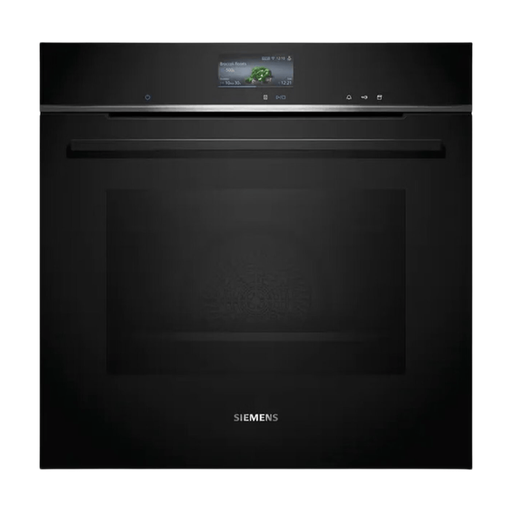 No image available
Could be suitable if you’re looking for a built-in oven with a fan setting. Check that the cabinet opening and connection suit your kitchen.
The product name lists a capacity of 60 l, 4D Hotair, pyrolytic self-cleaning and Home Connect.
 No image available
Could be suitable if you’re looking for a built-in oven with a fan setting. Check the dimensions of the cabinet opening and your baking tin.
The product name lists a capacity of 71 l and 3D Hotair.
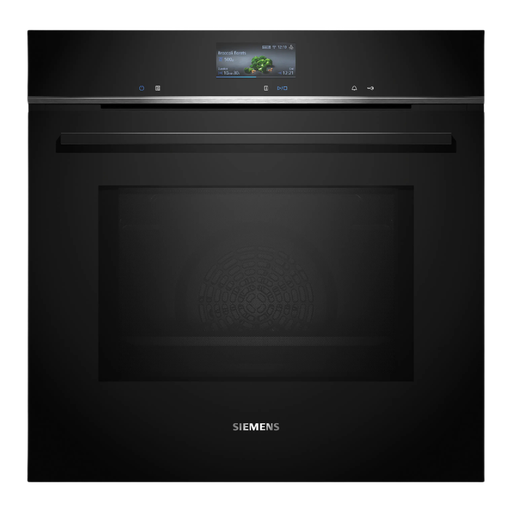 No image available
Could be suitable if you’re looking for a microwave function as well as an oven. Check the specific oven settings and the space available for your tin.
The product name lists 4D Hotair, pyrolytic self-cleaning, Home Connect and a TFT display.
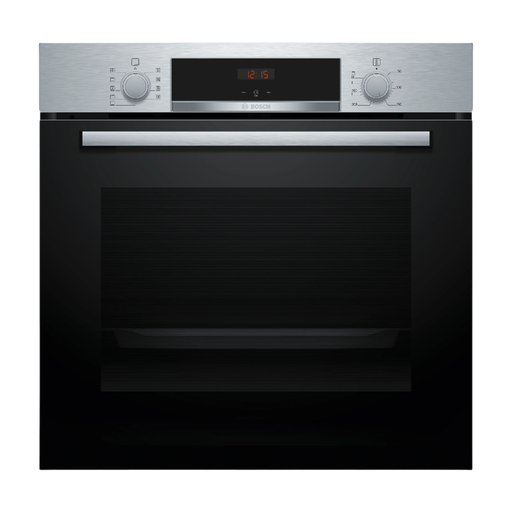 No image available
Could be suitable if you’re looking for a built-in oven with a fan setting. Measure the cabinet opening and check the connection before choosing.
The product name lists a capacity of 71 l, Turbo Hotair, hydrolytic cleaning, touch controls and a maximum temperature of 275 °C.
No. Follow the oven setting in your recipe first. The Consumentenbond lists conventional top and bottom heat as a suitable setting for cakes, among other things. If converting the temperature for a fan oven, the Voedingscentrum recommends using a lower temperature. Check that the cake is cooked through as it bakes.
Measure the tin and compare it with the usable interior dimensions, rather than relying on the capacity in litres alone. For a built-in oven, measure the cabinet opening too and check the installation manual.
Check the manual and the connection requirements for the specific model. The fire service advises plugging high-power appliances directly into a wall socket rather than using an extension lead or cable reel, and also stresses the importance of leaving enough ventilation around ovens.
No, don’t assume that. The European Commission describes energy labels for household ovens, but notes that small ovens and appliances with microwave heating are outside the scope described. Check which product type and rules apply to the specific appliance.
It depends on the features and interior space of the specific model. The Consumentenbond notes that combi microwaves often have fewer oven settings and sometimes lack bottom heat, so check the available baking settings and whether your tin will fit.