
Baker making larger lunchbox batches
You want to bake dough logs and then plenty of sliced biscotti without needing lots of separate batches. Tray space and oven settings are your top priorities.


Choose an oven based on the usable baking tray and how many biscotti you want to bake in each batch: both the dough and the sliced biscuits need to go in the oven. A compact countertop oven may suit smaller batches and limited kitchen space. For larger quantities, tray space and suitable shelf positions matter more than capacity in litres alone. Before buying, also check the installation requirements and CE marking for the exact appliance.
You want to bake dough logs and then plenty of sliced biscotti without needing lots of separate batches. Tray space and oven settings are your top priorities.
You’re looking for a countertop oven that fits the space you have while still offering a useful-sized baking tray.
You’re comparing ovens that can do more than bake biscotti, with a focus on finding the right size, energy use and aftercare.
A good fit if: you bake smaller batches and don’t want to use a built-in oven space.
Trade-off: capacity in litres doesn’t tell you how many biscotti will fit on the tray. Measure the space available for the oven, too.
A good fit if: you want to bake more biscotti per batch and have room for a larger worktop model.
Trade-off: a larger appliance needs more space, and baking on multiple shelf levels may not suit your recipe.
A good fit if: you have a suitable oven space or also use the oven for larger batches of baking.
Trade-off: check the dimensions of the oven space, installation requirements and baking trays. Stated shelf levels haven’t been tested with biscotti.
First, compare the baking tray with the size of your dough logs and biscuits. Then decide which oven type and size will suit your kitchen.
| What to consider | What should you check? | Who is this important for? |
|---|---|---|
| Baking tray space | Compare the usable tray size with the number and dimensions of your dough logs and sliced biscuits. | If I’m making larger lunchbox batches, I want to know how many will really fit on the tray. Around 40% of consumers prioritise tray space and batch size. |
| Oven and kitchen space | Measure the external dimensions. For a built-in oven, check the oven space and installation requirements for the exact model. | If my kitchen is short on space, I want to know whether a countertop oven can be placed there safely or whether my oven space is suitable. Around 30% of consumers focus most on kitchen space. |
| Size and energy use | Compare energy figures on the same basis and choose a size that suits the amount you usually bake. | If I’m also keeping an eye on energy use, I don’t want to choose a bigger model than I need. Around 20% of consumers focus mainly on size and energy use. |
| Cleaning and aftercare | Check the cleaning instructions, included accessories and aftercare terms for the exact model. | If I use the oven regularly, I want to know how to look after it and who to contact if something goes wrong. Around 10% of consumers prioritise maintenance and aftercare. |
Milieu Centraal reports that a large oven uses around 20% more energy to cook a dish than a medium-sized oven. This isn’t a calculation of the energy used for your biscotti recipe or by any of these individual models.
Biscotti go into the oven first as dough logs and then as sliced biscuits. The usable baking tray space determines how many you can bake in each batch.
Before choosing an oven based on its capacity, compare the tray dimensions with your recipe.
A tray that’s too small may mean extra batches, while a larger appliance takes up more space.
To make a meaningful comparison of energy use, you need figures based on the same criteria and a suitable amount of baking.
Where possible, compare the stated energy use, and don’t choose based on wattage or an energy label alone.
If the oven size doesn’t suit how you use it, you could end up using more energy than expected.
Two pieces of manufacturer information for the Severin TO 2056 contradict each other about its fan function.
If a fan function is essential for you, ask for confirmation that it’s included in the exact version on offer.
The OV207B is an example of a compact countertop fan oven.
The TEO4500B is an example of a larger countertop model.
The HBG578BB3 is a built-in option to consider if you have a suitable kitchen layout.
The TO 2056 is a countertop model with a capacity of around 30 litres, sitting between more compact and larger ovens.
The OM470RVS shows the kind of specifications you might see for a larger built-in oven.
This selection includes built-in ovens with a fan function and an air fryer oven. Check that the available baking space, installation requirements and instructions suit the two baking stages in your biscotti recipe. Also check the CE marking for the exact appliance on offer.
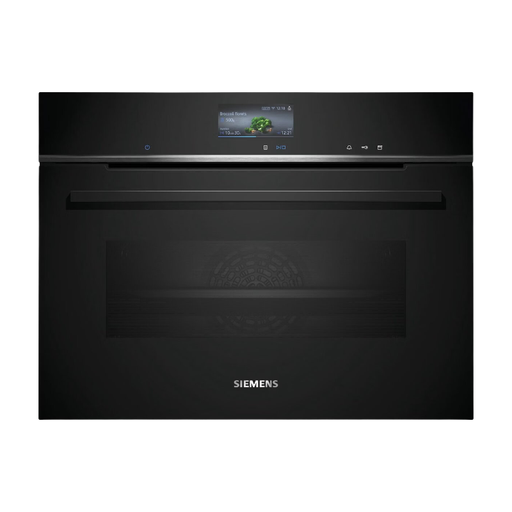 No image available
A built-in option for a kitchen with a suitable oven space; check the baking tray dimensions against your recipe.
The product title lists 47 L, a steam oven and 4D Hot Air. Before buying, check the installation requirements and CE marking for the exact appliance.
 No image available
A built-in option if you have a suitable oven space; compare the baking tray with the amount of biscotti you want to make.
The product title lists 71 L and 3D Hot Air. Check the installation requirements and CE marking for the exact appliance.
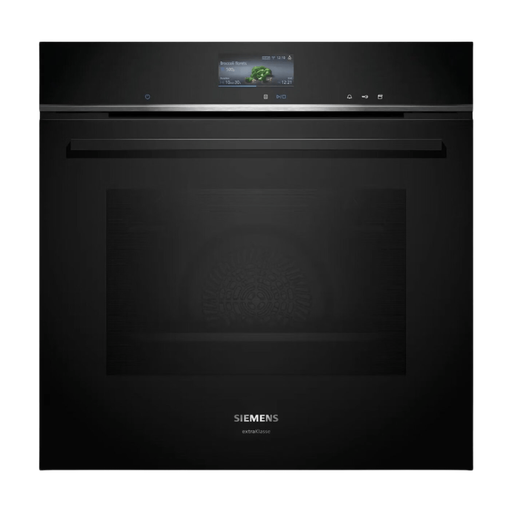 No image available
A built-in option for a kitchen with a suitable oven space; check that the baking tray suits both stages of your recipe.
The product title lists 60 L and 4D Hot Air. Check the installation requirements and CE marking for the exact appliance.
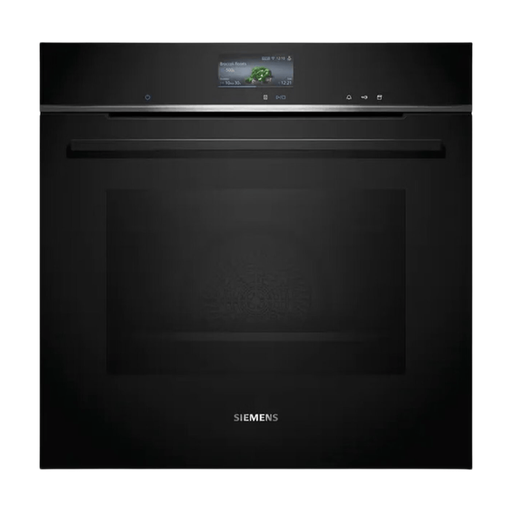 No image available
A built-in option if you have a suitable oven space; check the available baking area against your recipe.
The product title lists 60 L and 4D Hot Air. Check the installation requirements and CE marking for the exact appliance.
 No image available
An alternative type of appliance if you’re considering an air fryer oven; check the instructions to see whether the baking space suits your biscotti recipe.
The product title lists 6.5L, 360° Hot Air and No-Turn Baking. Check the instructions and CE marking for the exact appliance.
Rutger Bakt’s biscotti recipe starts with baking dough logs, followed by the sliced biscuits. The oven’s capacity in litres doesn’t tell you how many will fit on the baking tray, so compare the tray with your own recipe.
After baking the biscotti twice, leave them to cool and store them in a cool, dry place in an airtight container. Voedingscentrum gives this general storage advice for biscuits; it isn’t a specific shelf-life guarantee for a homemade biscotti recipe.
Don’t assume that you can. Follow the installation and operating instructions for your chosen model, and check how much space the appliance needs beforehand.
No. According to the Dutch government, there’s no set time limit for statutory guarantees in the Netherlands. What you can expect from a product depends, among other things, on the product and the information provided. If something is faulty, contact the seller.
Yes. The Netherlands Food and Consumer Product Safety Authority and the Dutch government’s Ondernemersplein set out the applicable requirements for electrical appliances and mandatory CE marking. The mark is a declaration by the manufacturer, not an independent test report; check the information for the exact appliance on offer.