
Baking a whole apple pie
You bake a classic pie in a springform tin and want to compare the usable interior space and shelf height with your own tin. The Koopmans recipe referenced uses a Ø 24 cm tin.


For apple pie, a fan oven is a suitable choice only if your springform tin fits on the shelf with room around it. Choose a freestanding model if you don’t have a suitable built-in space; for a built-in oven, check the housing dimensions and connection first. In the Netherlands, electric ovens must carry CE marking, according to the Netherlands Food and Consumer Product Safety Authority (NVWA), so check this for the specific appliance.
You bake a classic pie in a springform tin and want to compare the usable interior space and shelf height with your own tin. The Koopmans recipe referenced uses a Ø 24 cm tin.
You’re looking for a freestanding fan oven and need to consider both the space on your worktop and the available cooking space.
You want to keep your existing kitchen layout and need to check the housing dimensions, connection and cooking settings of the specific model.
Start by checking that your springform tin fits and identifying the cooking setting you need. Then decide which type of oven suits your kitchen, and finally compare energy use and service.
| What to consider | What should you check? | Who is this important for? |
|---|---|---|
| Room for the tin | Compare the internal dimensions, shelf position and clearance with your own tin. The capacity in litres alone won’t tell you whether it will fit. | If I’m baking a whole pie, I want to be able to place my springform tin inside without finding the oven cramped. Around 36% of consumers say fit is their top priority. |
| Cooking setting and controls | Check the fan setting, temperature control and timer. The Koopmans recipe referenced specifies 165 °C fan and 65 minutes; this isn’t a universal setting. | When a recipe specifies a temperature and cooking time, I want to be able to set and monitor the oven accordingly. Cooking controls are the top priority for around 29% of consumers. |
| Placement | For a freestanding oven, compare the external dimensions and placement instructions. For a built-in model, check the housing dimensions and connection requirements for that specific model. | If my kitchen doesn’t have a suitable built-in space, a freestanding appliance still needs to fit safely and practically on the worktop. Placement is the top priority for around 21% of consumers. |
| Energy use and service | Where possible, compare energy-use figures on the same basis, and read the warranty terms alongside your statutory rights. Not every small or portable oven falls within the energy-labelling scope for domestic ovens. | If I use the oven regularly, I want to weigh up its size and energy use, and know who to contact if something goes wrong. Around 14% of consumers put energy use and service first. |
Capacity in litres doesn’t tell you the internal dimensions or how much clearance there is around the tin. The Koopmans recipe referenced uses a Ø 24 cm springform tin.
Before buying, compare the usable internal dimensions and shelf position with your own tin. Use the capacity only as a rough guide.
The European Commission excludes small and portable ovens from the energy-labelling scope mentioned for domestic ovens. So, the absence of a label doesn’t in itself mean an appliance fails to meet the rules that apply to it.
First check whether the same labelling rules apply, and compare energy-use figures on a like-for-like basis where possible. Milieu Centraal recommends comparing ovens by their energy use.
An extended warranty doesn’t replace your statutory rights. According to the Dutch government, your right to a product that works properly may continue after an offered warranty period has ended.
Check what additional cover a warranty provides, and contact the seller if there’s a problem with the product.
Inventum offers freestanding fan ovens in various sizes. According to Inventum, the OV457B has a capacity of 45 litres and separate fan and conventional top-and-bottom heat settings.
Tomado offers freestanding ovens. The TEO4500B is a fan oven with a capacity of 45 litres.
Bosch makes built-in fan ovens, including the HBA514BB3 with 3D Hot Air.
AEG offers built-in ovens with additional features. According to AEG, the NBH6X53PE combines fan cooking with steam assistance.
Siemens offers various types of built-in oven, including compact ovens, ovens with a microwave and steam ovens.
These Joybuy product picks focus on built-in fan ovens, including models with additional steam or combination functions. Before buying, check that the housing dimensions and connection are suitable. The NVWA states that CE marking is mandatory for electrical consumer products such as kitchen appliances; check this for the specific appliance.
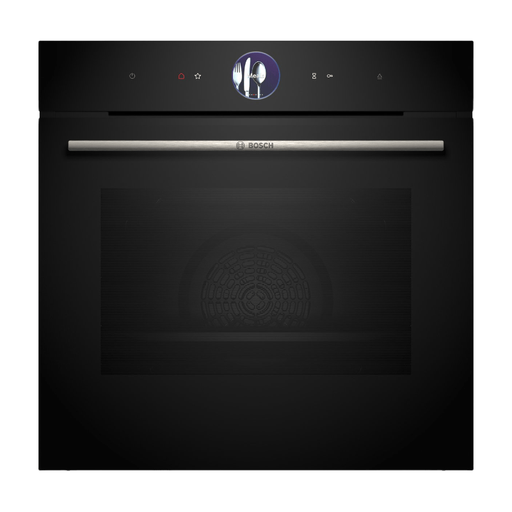 No image available
A built-in steam oven for anyone looking for a steam function as well as fan cooking; steam isn’t required for the apple pie recipe referenced.
60 × 60 cm. Check the housing dimensions and follow the installation instructions; the product description recommends installation by a qualified electrician.
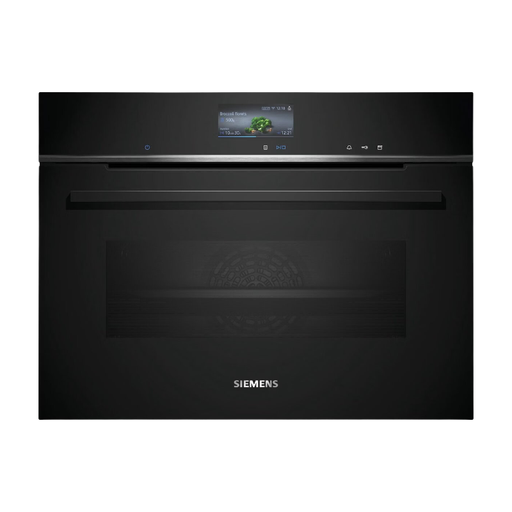 No image available
A built-in steam oven with 4D Hot Air for anyone looking for steam as well as a fan function; check whether the additional feature suits the way you cook.
Capacity: 47 litres. Check that the housing dimensions and connection are suitable for this model.
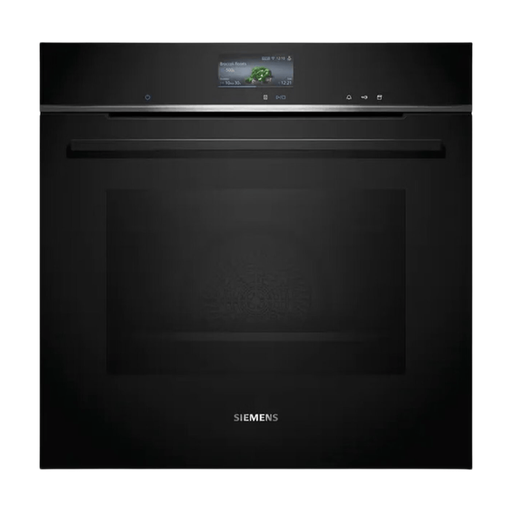 No image available
A built-in model with 4D Hot Air; check the housing dimensions and installation requirements before choosing this type.
Capacity: 60 litres. The stated capacity doesn’t replace checking whether there’s enough room for your own springform tin.
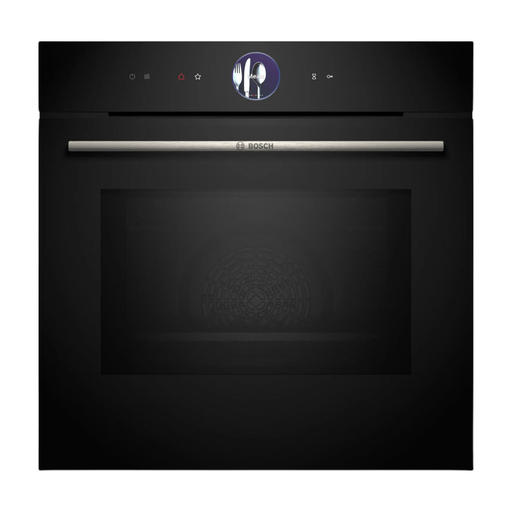 No image available
A built-in oven with 3D Hot Air for anyone looking for a fan model; check the installation details for the kitchen it will be fitted in.
Capacity: 71 litres. Compare the usable space with the dimensions of your springform tin.
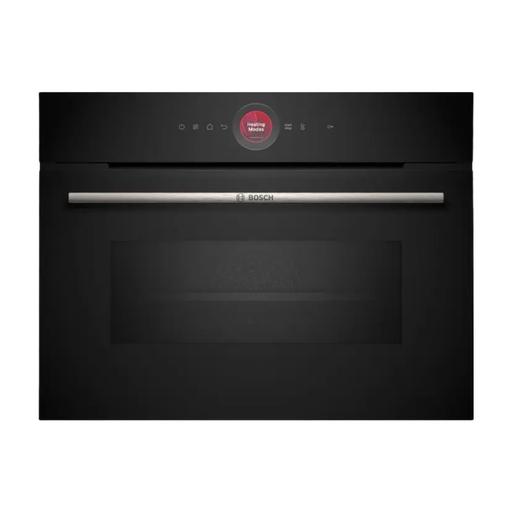 No image available
This combination model is worth considering if you want oven and microwave functions in one built-in appliance; check that the fan setting suits your recipe.
Capacity: 45 litres; microwave power: 900 W. Check the housing dimensions and connection for this model.
The Koopmans recipe referenced specifies 165 °C fan and 65 minutes. For a different recipe, follow its own instructions; this setting isn’t universal.
Compare the internal dimensions and shelf position with your own tin, and check the placement instructions. The recipe referenced uses a Ø 24 cm tin; the capacity in litres alone doesn’t prove that it will fit.
Follow the connection and placement instructions in the manual for your chosen model. The Fire Service advises connecting high-power appliances directly to a socket rather than to a cable reel or extension lead; this isn’t a specific connection requirement established here for ovens.
Where possible, compare energy-use figures on the same basis and choose a size that suits how you use the oven. The European Commission lists small and portable ovens as exceptions within the energy-labelling scope for domestic ovens, so the absence of a label doesn’t in itself prove non-compliance.
Contact the seller if there’s a problem. According to the Dutch government, your statutory right to a product that works properly may continue after a manufacturer’s warranty or an additional warranty has ended. So, assess an extended warranty based on the extra cover it provides.