
Family interviewers
You’re recording a conversation with a storyteller and want both voices close to a microphone, rather than relying on one at the other end of the room. Shure explains how distance and reflections in the room affect a recording.


Keep the microphone close to the person speaking: as Shure explains in its guidance on microphone placement, a microphone cannot remove room echo after the event. For people taking turns to tell their stories, you can pass a handheld microphone around; for a conversation between two speakers, separate microphones are another option. If you want to record without a computer, consider a standalone recorder, but check in advance where the file will be saved.
You’re recording a conversation with a storyteller and want both voices close to a microphone, rather than relying on one at the other end of the room. Shure explains how distance and reflections in the room affect a recording.
You’re recording stories from people speaking in turn, so you can pass a handheld microphone around or use a different set-up for each speaker. The Shure SM58 is an example of a cardioid dynamic handheld microphone.
You want to record on location using a standalone device, so you’ll need to consider the recorder, storage, power and playback. Zoom and Tascam document models with recording functions for different set-ups.
Suitable if: family members take turns telling their stories and someone can hold the microphone close to each speaker.
Bear in mind: anyone who doesn’t have or hold the microphone may not be recorded as clearly; the microphone also needs a separate recording input or recorder.
Suitable if: the interviewer and storyteller may speak at the same time and each needs their own microphone position.
Bear in mind: check where the recording will be saved. With the RØDE Wireless GO (Gen 3), 32-bit float recording applies to the transmitters’ internal recordings, not automatically to a connected camera.
Suitable if: you want to record without a computer and are looking for a recorder with built-in microphones.
Bear in mind: according to Zoom, the H1essential cannot record or play back without a microSD card inserted. You’ll also need to place the recorder close enough to the speakers.
Suitable if: one storyteller wants to wear a microphone on their clothing without transmitting wirelessly to a receiver.
Bear in mind: one recorder worn by one person isn’t a set-up with separate microphones for two people speaking at the same time; check storage and power.
Suitable if: you want to connect to a computer or use a compatible XLR input, as with the Audio-Technica ATR2100x-USB.
Bear in mind: the microphone doesn’t save a file itself; you’ll need a recording destination and the right connection.
| Consideration | What should you check? | Who is this important for? |
|---|---|---|
| Clarity | Test the microphone close to the speaker in the room, then play back the test recording. | If your main priority is making sure a storyteller’s words are clear in the room, pay attention to microphone placement and echo. Around 36% of consumers put clarity first. |
| Multiple voices | Compare a passed-around handheld microphone with separate microphones, and check how each recording is saved. | If the interviewer and storyteller may interrupt each other, you’ll want both voices close to a microphone. Around 29% of consumers prioritise capturing multiple voices above all else. |
| Standalone recording | Decide whether you’ll bring a computer; if not, check the recorder’s storage and power requirements. | If you want to record in the community hall without a dedicated computer, you’ll need a suitable standalone recording set-up. Around 21% of consumers put standalone recording at the top of their list. |
| Saving the file | Create a test file in advance, play it back and check the selected storage location. | If you want to be sure the story is available as a file afterwards, check the recording destination and any storage card. Around 14% of consumers make preserving the file their top buying priority. |
Distance and echo can make speech harder to understand. Shure explains that a microphone cannot effectively separate direct speech from reflected speech, nor improve the room’s acoustics.
Before deciding whether one microphone is enough, test it in the room with the microphone close to the storyteller.
A microphone with an output and a device that saves files on its own are different parts of the recording chain.
Map out the full chain in advance: microphone, connection, recording device, storage and playback.
A successful microphone test doesn’t automatically mean a file has been saved. According to Zoom, the H1essential cannot record or play back without a microSD card inserted. RØDE distinguishes between the Wireless GO (Gen 3)’s internal transmitter recordings and the recording on a connected device.
Create a test file on your chosen destination before the event and play it back.
Audio recordings in which people can be identified may be personal data. How you use and share the recording matters.
Agree with participants who may listen to the stories, and consider public use separately from private use as part of your planning.
The SM58 is an example of a cardioid dynamic handheld microphone for storytellers speaking in turn.
The Wireless GO (Gen 3) is worth considering for a set-up with a separate transmitter for the interviewer and storyteller.
The H1essential is a standalone handheld recorder with built-in X/Y microphones and an input for an external microphone.
The DR-10L Pro pairs a clip-on microphone with a compact recorder for one person to wear.
The ATR2100x-USB is a handheld microphone for anyone who wants to use a USB-C connection or an XLR connection.
This selection includes wireless microphone kits for conversations and portable voice recorders for recording on location. For each set-up, check how the microphones connect and where the file will be saved.
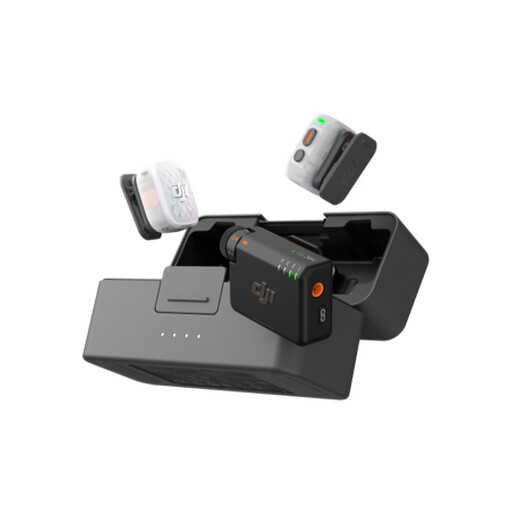 No image available
The kit with two transmitters suits an interview where the interviewer and storyteller each need their own microphone position.
The product name lists two transmitters, one receiver and a charging case.
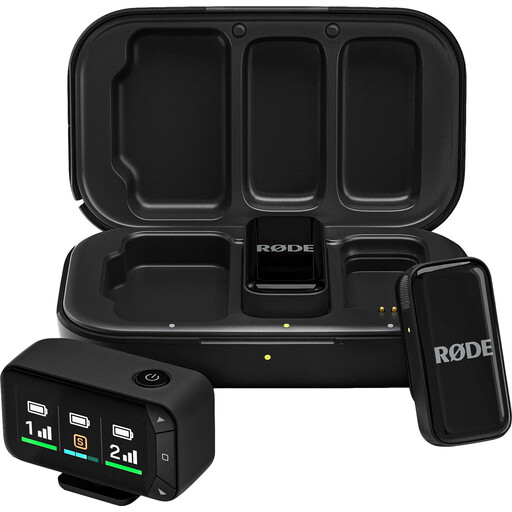 No image available
The kit with two microphones is designed for recordings where two speakers each have their own microphone position.
The product name lists a camera and smartphone receiver, USB-C and a charging case.
 No image available
A portable voice recorder is an option if you want to record on location without a dedicated computer set-up.
The product name lists 128 GB of storage and model L357.
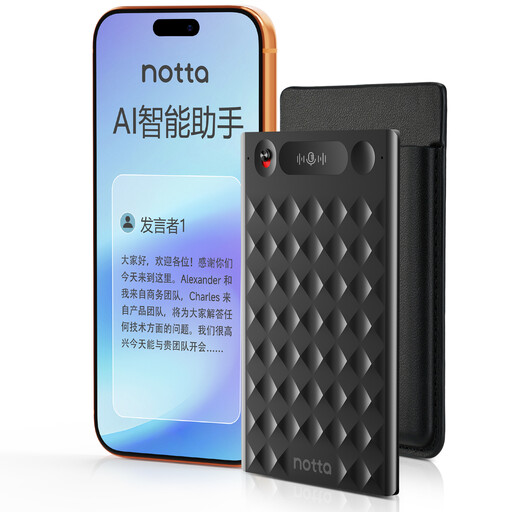 No image available
A voice recorder may suit anyone who wants to record a conversation on location and save the file on the device.
The product name lists 32 GB of storage.
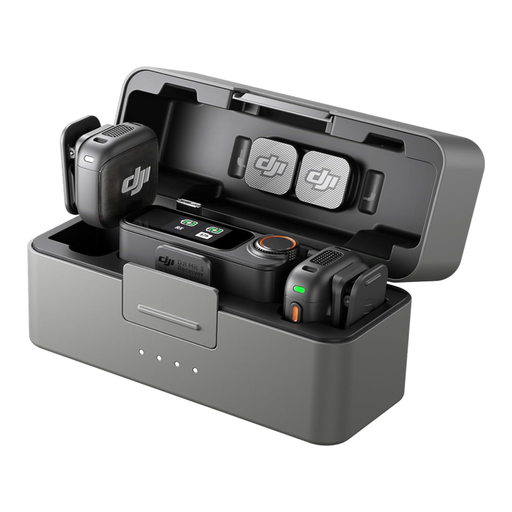 No image available
The kit with two transmitters is an option for an interview where each of the two speakers needs their own microphone position.
The product name lists two transmitters, one receiver and a charging case.
You can’t assume so based on the type of microphone alone. Shure explains that a microphone cannot effectively separate direct speech from reflected speech. Place the microphone close to each storyteller and play back a test recording in the room.
Bring a compatible microSD card and check the power supply. Zoom states that the H1essential cannot record or play back without a microSD card inserted. Also make a short test recording and play it back.
Not automatically: RØDE specifies 32-bit float recording for the transmitters’ internal recordings. Check the recording on the connected device separately, as well as the files on the transmitters.
The Dutch Data Protection Authority considers identifiable audio recordings to be personal data. If you’re processing data covered by the GDPR, you need a legal basis; consent is one possible basis. Whether a family recording kept solely for private use falls under the exception for personal or household activities depends on how it’s actually used and with whom you share it. Agree with participants in advance what you’ll record, keep and potentially share.