
Families who make porridge regularly
If porridge oats or cereal are on the table several times a week, the stated number of servings can help you compare a 500 or 600 g pack with what your family uses.


For a toddler aged 1 to 3, start with the ingredients: the Voedingscentrum lists porridge oats, muesli and other wholegrain cereals with no added sugar or salt as possible breakfast options to vary. Then choose a pack size that suits how often your family eats that particular product. A larger bag of crunchy muesli can be useful as a family-size option, but check the ingredients and allergens before serving it to your toddler too.
If porridge oats or cereal are on the table several times a week, the stated number of servings can help you compare a 500 or 600 g pack with what your family uses.
If you’re looking for a wholegrain cereal with no added sugar or salt, the ingredients list matters more than the ‘family-size’ label. This is in line with the Voedingscentrum’s breakfast advice for children aged 1 to 3.
If you pack cereal for school or childcare, check the allergens and ‘may contain’ statements on the specific pack, and ask about the setting’s policy.
First, check that the ingredients are suitable for a toddler’s breakfast. Then consider any requirements around allergens, family use and preparation.
| What to consider | What to check before buying | Who it matters to |
|---|---|---|
| Ingredients | Check the wholegrain ingredients and look at the label for added sugar and salt. | When I choose cereal for a toddler, I want the ingredients to align with the Voedingscentrum’s advice for children aged 1 to 3. For around 33% of consumers, ingredients come first. |
| Allergens and taking it with you | Read the allergen and ‘may contain’ statements on the pack; ask the school or childcare setting about its policy. | When I pack breakfast to take with us, I want to know in advance which ingredients to watch out for and whether the product is allowed there. Allergens and local policies are the main concern for around 27% of consumers. |
| Pack size | Compare the pack weight and stated servings with how often your family eats the product. | I want to have enough for shared breakfasts, but I don’t want to choose a large pack that will be open for a long time. The right size is the deciding factor for around 20% of consumers. |
| Preparation and texture | Check how the product is prepared and what serving size the pack recommends. | On a busy morning, I want to be able to make a breakfast my toddler will enjoy too. For around 20% of consumers, ease of use is the most important factor. |
A value pack tells you nothing about the ingredients. For children aged 1 to 3, the Voedingscentrum lists wholegrain cereals with no added sugar or salt as possible breakfast options to vary.
Check the ingredients and nutritional information first, then decide whether the pack size suits your family’s needs.
The products mentioned have different allergen profiles: as well as oats or wheat, they may also contain nuts, for example. A product assessment also doesn’t replace a school or childcare setting’s policy.
Check the allergens and ‘may contain’ statements on the current pack, and ask what you’re allowed to bring in.
According to the product information, the Quaker Cruesli 4 nuts value pack we looked at contains 12 g of sugars per 100 g and several types of nuts. The larger size doesn’t automatically make its ingredients suitable for the toddler breakfast you have in mind.
Choose this kind of larger pack only if the ingredients suit your household and you’ll eat it regularly.
Ingredients, nutritional values and allergen information can change, as Albert Heijn notes in its product information. An earlier comparison is no substitute for checking the label on the pack you’re using.
Check the current packaging, especially if an allergen or particular ingredient is central to your choice.
Worth considering if your family is looking at plain porridge oats or a larger pack of crunchy muesli.
A wheat-based breakfast cereal for families who like to make hot porridge.
A range to consider if your family wants crunchy muesli in a larger pack.
An own-brand option to compare if you’re looking for a 500 g pack of wholegrain breakfast cereal.
Worth considering if your family is specifically looking at a multipack of cornflakes.
This selection includes porridge oats in different pack sizes and a wheat-based breakfast cereal for making hot porridge. Compare the ingredients and allergens separately from the pack size; not every product shown is a family-size pack.
 Image unavailable
For families who make porridge regularly and want a larger pack. The 600 g pack we looked at lists 15 servings and 100% wholegrain oats as its ingredient. Check the current allergen information, including possible wheat and barley.
 Image unavailable
A smaller pack of porridge oats to consider if a large family-size pack doesn’t suit your needs. Compare the 324 g contents with how much your household eats, and check the current ingredients and allergens.
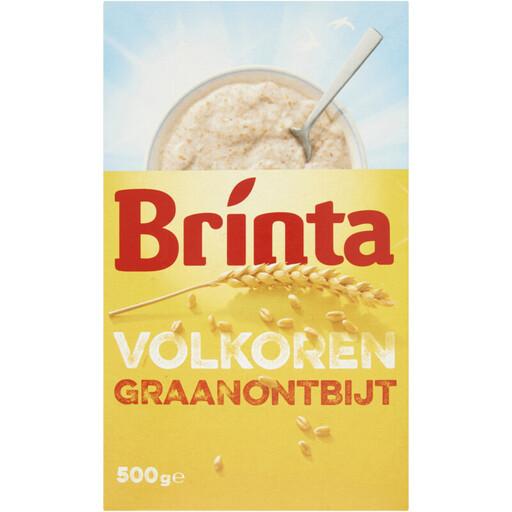 Image unavailable
For families who regularly make hot wheat-based porridge. The 500 g pack lists 14 servings; the ingredients include wholemeal wheat flour and salt. Check the current label for wheat and gluten.
 Image unavailable
A porridge oats option if you want to stock up less than you would with a larger family-size pack. The pack contains 375 g; check the current ingredients and allergens before choosing it for a toddler or to take with you.
 Image unavailable
A 500 g pack to compare for shared breakfasts. The product name includes both ‘Whole Wheat’ and ‘Oatmeal’; check the current pack to see which grains and allergens the product contains before choosing it for a toddler.
According to the Voedingscentrum, porridge oats, muesli and other wholegrain cereals with no added sugar or salt are possible breakfast options to vary for children aged 1 to 3. Check the ingredients of the specific product before comparing pack size or ease of preparation.
A larger pack is most practical when your family eats that particular cereal regularly. Compare the pack weight and stated number of servings with how much you use at home; a larger pack doesn’t change the ingredients.
It depends on the product’s ingredients and the policy of the school or childcare setting. Check the allergens and ‘may contain’ statements on the current pack, and ask in advance which products you’re allowed to bring in.
Follow the storage instructions on the specific pack. The porridge oats and breakfast cereal products we looked at say to store in a cool, dry place; the Cruesli pack we looked at also says to close the bag securely after use.