
Families sharing a pack
You want enough for several bowls without being left with a large amount of a flavour that hardly gets eaten afterwards. The number of servings and storage instructions are just as important as the net weight.


When choosing cereal for a shared Sunday breakfast, base your decision on the serving size on the pack and the number of people eating, rather than the words ‘family pack’ alone. A large bag of crunchy cereal is a good fit when several people want the same flavour; a pack for hot porridge calls for a different preparation method and has its own serving size. Also compare the nutrition information, allergens and storage instructions for the exact product.
You want enough for several bowls without being left with a large amount of a flavour that hardly gets eaten afterwards. The number of servings and storage instructions are just as important as the net weight.
You’re looking for a wholegrain option or want to compare the fibre, sugars, salt and serving sizes of different cereals. Compare the products’ own nutrition information: according to the Netherlands Nutrition Centre, cereal products can vary considerably in this respect.
Not everyone at the table wants the same texture or preparation method. If someone needs to avoid certain ingredients, the current allergen information for each individual product matters more than the convenience of sharing one bag.
Think about how many people and breakfasts you’re shopping for. Then check that the cereal’s flavour, preparation method and ingredients suit everyone at the table.
| What to consider | What to check when buying | Who it matters to |
|---|---|---|
| Servings and leftovers | Check both the net weight and serving size on the exact pack. Work out how many people will be eating it and how often they’ll want this product. | If several people are having breakfast from the same bag, I want to know how many bowls it will make without leaving lots over. For around 42% of consumers, getting enough servings without a large amount left over comes first. |
| Nutrition information | Compare the ingredients and nutritional values per 100 g and per serving, including fibre, sugars and salt. Check any claim about added sugars separately. | For a regular family breakfast, I want to see how the products differ in terms of their ingredients and nutritional composition. Around 33% of consumers give comparing labels the highest priority. |
| Flavour and allergens | Ask what texture everyone prefers and check the ingredients, allergens and any precautionary allergen information on each pack. | If tastes differ or someone needs to avoid an ingredient, I don’t want to rely on just one large bag. For around 25% of consumers, choosing something suitable for everyone matters most. |
A higher net weight tells you little about how many breakfasts you’ll get unless you know the product’s serving size. Joybuy’s product information lists twenty 45 g servings for Quaker Cruesli Chocolade 900 g; Albert Heijn lists fourteen servings for Brinta Wholegrain cereal breakfast 500 g.
Use the serving size on the pack you’re planning to buy and work out how much you need for the people and breakfasts you have in mind. Don’t use the serving size for cruesli as a guide for porridge.
‘Wholegrain’, ‘fibre’ or ‘organic’ doesn’t tell you everything about a product’s ingredients. For example, Albert Heijn lists 6.6 g of fibre and 9 g of added sugars per 100 g for AH Organic Crunchy Muesli Natural; these figures apply to that product only.
For products that suit your needs, compare the ingredients and nutrition information, including the values per 100 g and per stated serving.
Ingredients and allergens vary between products. According to the Netherlands Food and Consumer Product Safety Authority, allergens that must be declared need to be clearly identifiable on the label. A brand name alone isn’t enough to determine what someone can eat.
Before buying, check the current packaging for the exact product and, if necessary, choose separate cereals for different people.
This may also mean arranging a separate, suitable breakfast for one member of the family.
A brand with a range of cereals; worth considering if you want to compare serving sizes and labels across products.
A cereal brand with products aimed at children, among others; flavour may be a reason to compare products.
Crunchy cereal for anyone who likes breakfast with milk or yoghurt and is considering larger packs.
An option if you’d prefer hot cereal porridge to a bowl of crunchy cereal.
Own-brand options in a range of pack sizes, including 1 kg muesli in the category mentioned.
These products offer different ways to stock up on cereal for several breakfasts: hot cereal options, crunchy cruesli and granola in individual packs. A higher total weight doesn’t always mean the same amount of cereal or the same number of servings, so check each product separately.
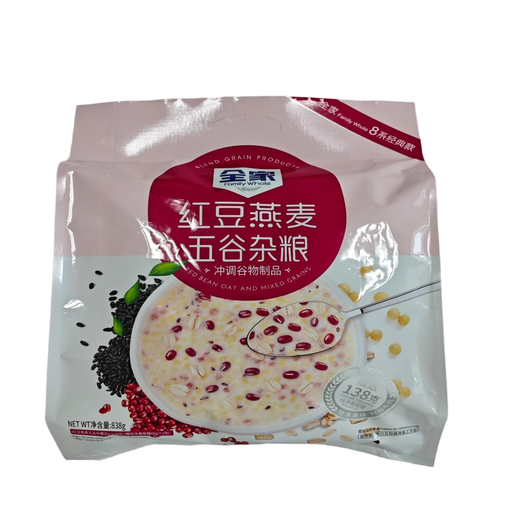 Image unavailable
A cereal mix to consider if you want to prepare individual bowls of hot cereal.
The stated total weight also includes individual glucose sachets. When planning how many bowls you can make, count only the amount of cereal mix, and check the ingredients and allergens on the packaging.
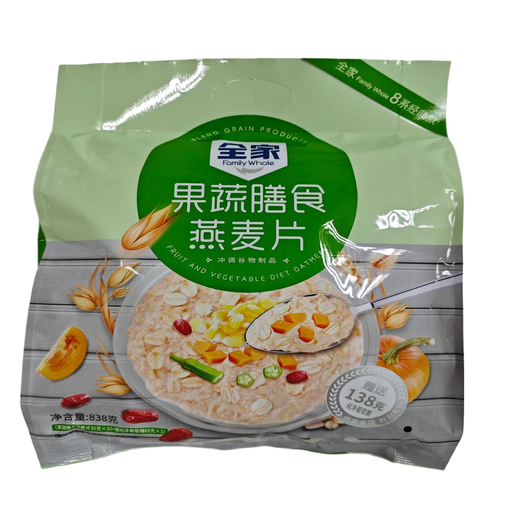 Image unavailable
An option if people at the table would prefer individually prepared bowls of hot cereal to sharing a bag of crunchy cereal.
As well as the oat mix, the total weight includes individual glucose sachets. Check the amount of mix when planning servings, and look at the nutrition information for the mix and sachets separately.
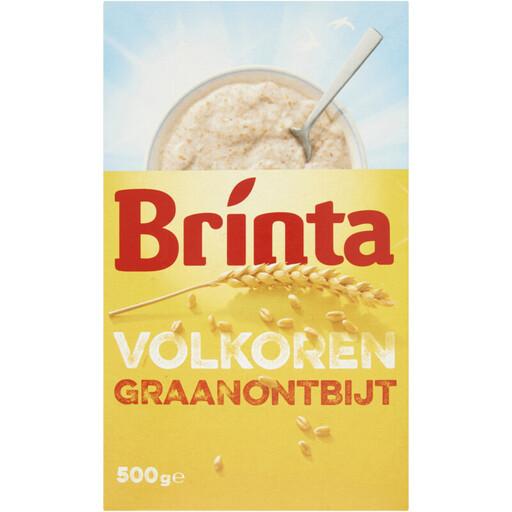 Image unavailable
For a table that would prefer hot cereal porridge to crunchy cereal.
Albert Heijn lists fourteen servings for this pack. The product is made from wholegrain wheat; check the packaging if wheat or gluten needs to be avoided.
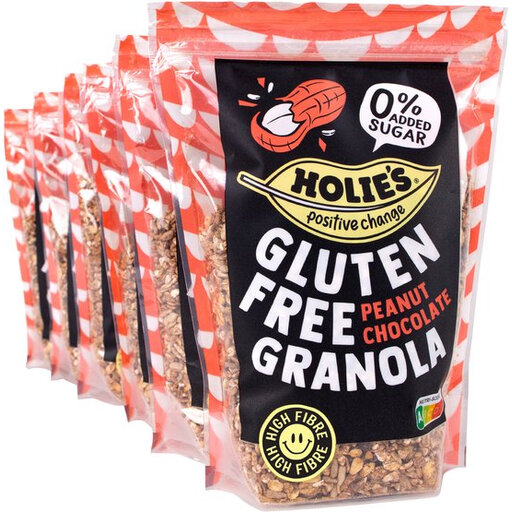 Image unavailable
The six individual packs may suit you if you want to spread your granola over several breakfasts.
Use the serving size on the pack rather than treating the bundle weight as a number of bowls. If you have an allergy or dietary requirement, check the current ingredients and allergen information; don’t rely on the product name alone.
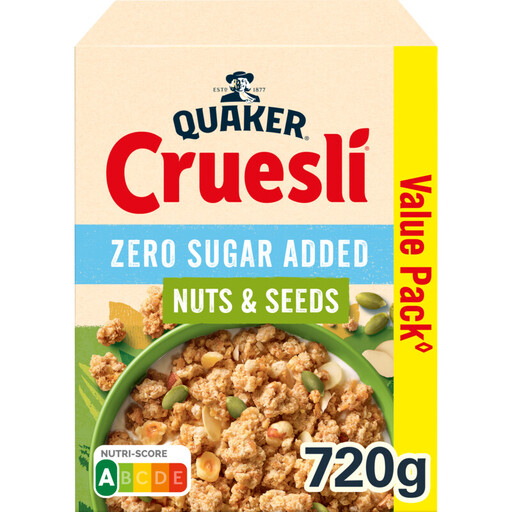 Image unavailable
For people who want to share the same crunchy cruesli with nuts and seeds.
Use the serving size on the pack to work out how many bowls the bag will make. Check the current allergen information before serving the bag to everyone at the table.
Multiply the serving size on the pack you’ve chosen by the number of people eating and the number of breakfasts they’ll have that product. Joybuy’s product information lists 45 g servings for Quaker Cruesli Chocolade 900 g; Albert Heijn gives a 35 g serving for Brinta Wholegrain cereal breakfast 500 g. Don’t use these amounts as general serving guidelines for other cereals.
No. The pack weight doesn’t change the product’s composition per 100 g. The Netherlands Nutrition Centre points out that cereals vary in areas such as sugars, fibre, salt and fat. So compare the nutrition information and ingredients of the products you’re actually considering.
Follow the storage instructions on the exact pack and seal the bag well after use if the label says to. For AH Organic Crunchy Muesli Natural, Albert Heijn recommends storing it in a cool, dark, dry place and keeping the pack tightly closed. Choose a larger size if you plan to use the contents for future breakfasts too.
Read the ingredients and allergen information on the current packaging for each product. The Netherlands Food and Consumer Product Safety Authority explains that allergens that must be declared need to be clearly distinguishable in the ingredients list. Also check any precautionary allergen information if it’s relevant to the person eating it; a general brand name or an old pack isn’t enough.