
Households that keep the biscuit tin topped up
If biscuits are often served with coffee or tea, consider the total quantity and how the pack is divided. For example, ALDI Netherlands lists María biscuits in four 200 g rolls.


A family pack is a good fit for your biscuit tin when the quantity matches how much your household gets through. Compare the quantity and type of biscuit, check how to store them after opening, and read the current label if you have dietary questions or allergies. A larger pack isn’t a reason to choose it in itself.
If biscuits are often served with coffee or tea, consider the total quantity and how the pack is divided. For example, ALDI Netherlands lists María biscuits in four 200 g rolls.
If ingredients, nutritional information or allergens are important to you, the current label matters more than the size of the pack. Check the specific variety you’re buying, even if it’s a brand you know.
Start with the quantity you’re likely to use. Then choose a type of biscuit your household will enjoy, and check the packaging and label before picking up a larger pack.
| What to consider | What to check when buying | Who is this most important for? |
|---|---|---|
| Total quantity | Check the net weight and the number of rolls or smaller packs. | If the biscuit tin is topped up often, I want enough in stock without choosing a pack that ends up sitting around. Around 36% of consumers put this need for a good supply first. |
| Type of biscuit | Compare the flavour and any filling; packs of the same size may contain different types of biscuit. | For my household, it makes a difference whether I’m serving speculaas, digestive biscuits or filled biscuits. The type of biscuit is the deciding factor for around 29% of consumers. |
| Ingredients and nutritional information | Read the ingredients list and compare relevant nutritional values per 100 g or per serving. | When biscuits are often served at home, I want to know what’s in the variety I’ve chosen and how large a serving is. Around 21% of consumers consider this information first. |
| Allergens | Check the ingredients list, declared allergens and any warnings on the current pack. | If someone at home needs to avoid a particular allergen, I need to be able to check the specific pack before serving it. For around 14% of consumers, this check comes before the other considerations. |
A larger quantity is only practical if the biscuits suit how you eat at home and can be stored according to the instructions.
Choose a size you expect to use, and follow the storage instructions on the packaging.
An opened pack left sitting around for a long time may not suit the way you like to serve your biscuits.
Albert Heijn warns that the ingredients, nutritional values and allergen information for Lotus Biscoff Speculoos may change. So a previous purchase is no substitute for checking the current label.
Check the ingredients list and allergen information on the pack every time you buy it, especially if someone in your household needs to avoid an allergen.
Information on the front doesn’t tell you everything about the ingredients or nutritional value of the specific biscuits.
Check the ingredients list and nutrition table, including values per 100 g and, if provided, per serving.
An option if you’re specifically looking for Biscoff speculoos; Albert Heijn lists Lotus Biscoff Speculoos in its range.
Jumbo’s range of everyday biscuits and biscuits for the tin includes packs of 400 g, 500 g and 600 g.
Sondey is Lidl’s own brand of biscuits and snacks. Lidl also lists vegan options in its range.
ALDI Netherlands lists María biscuits by Family Biscuits as four 200 g rolls, totalling 800 g.
ALDI Netherlands lists Biscotto jode or coffee biscuits in a 380 g pack containing around 20 biscuits.
These products offer different sizes for your biscuit tin: a pack with several varieties, a multipack, and 799 g and 400 g packs. Check each product to see which quantity and storage instructions suit your household.
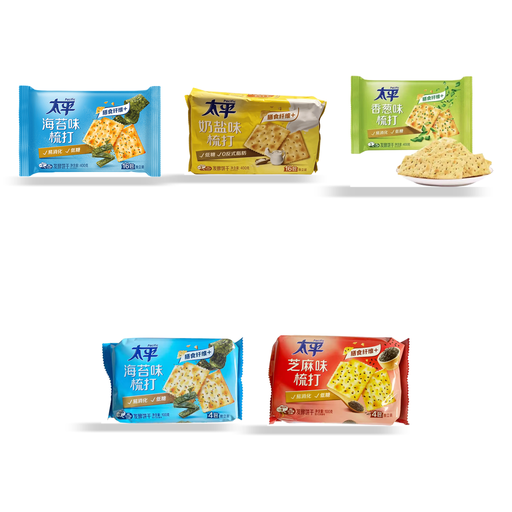 Image unavailable
If you’d like to serve a selection of biscuits, check which varieties the pack contains and read the ingredients, allergen information and storage instructions for each pack.
 Image unavailable
The 10 × 66 g pack size is useful if you want to compare smaller quantities with one large pack. If separate storage matters to you, check how the ten units are packed.
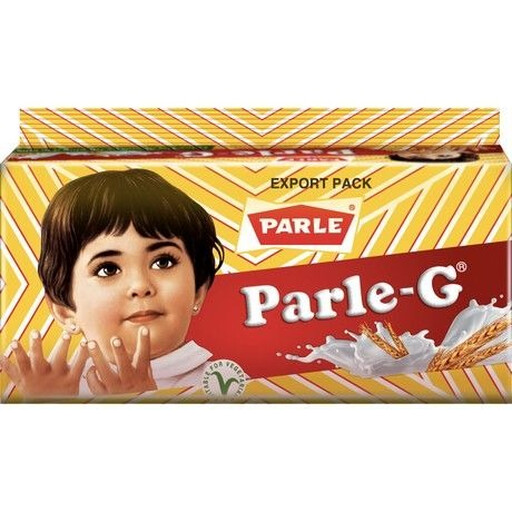 Image unavailable
The 799 g pack may suit a household that regularly shares biscuits from the same tin, provided you’ll use the contents. Check how the pack is divided and read the storage instructions for after opening.
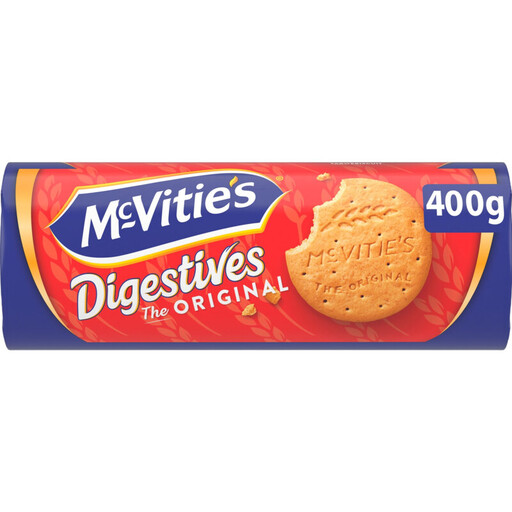 Image unavailable
A 400 g pack to consider if you want digestive biscuits but don’t need a larger size. Check the storage instructions for after opening, and read the current label if ingredients or allergens affect your choice.
A large pack is useful when your household gets through the contents regularly and you can store the biscuits as instructed. Compare the net weight and check whether the pack contains several rolls or smaller units before choosing.
Follow the storage instructions for the specific product, including after opening. For example, Jumbo says to store Pally Theekoekjes in a cool, dry place; check the instructions again for a different type of biscuit.
Check the allergen information on the current pack of the specific variety. The Netherlands Food and Consumer Product Safety Authority states that mandatory labelling covers 14 allergens; when buying a new pack, don’t rely solely on what you remember from a previous one.
The front doesn’t replace the ingredients list and nutrition table. If you’re comparing specific types of biscuit, read the nutritional values per 100 g and, if provided, per serving.