
Families considering toast as the basis for lunch
You want a crunchy lunch, so you’re comparing the grains used, fibre and toppings. According to the Voedingscentrum, wholegrain products contain more fibre than products made with white flour.


When choosing a family pack of toast, don’t focus only on its weight or the number of individual packs. First compare the grains used, fibre and salt per 100 g. Individual packs are particularly useful if you won’t eat all the toast at once. Wholemeal bread is another option for a regular lunch staple; if you like, serve toast or toast-style crackers as a crunchy addition with toppings and vegetables.
You want a crunchy lunch, so you’re comparing the grains used, fibre and toppings. According to the Voedingscentrum, wholegrain products contain more fibre than products made with white flour.
You’re looking for enough for several people, but don’t want to open all the toast at once. The number of individual packs and storage instructions are just as relevant as the total weight.
You check the salt per 100 g and review the ingredients and allergens for everyone who’ll be eating. The current packaging is important, especially if anyone needs to avoid certain ingredients.
First decide which grains and nutritional information suit your lunch. Then choose a pack size that works for how often your family eats toast.
| What to consider | What to check when buying | Who might prioritise this? |
|---|---|---|
| Grains and fibre | Check which grains are listed in the ingredients and compare the fibre per 100 g. | If I often use toast as the basis for lunch, I want to know which grains it contains and how much fibre it provides; around 33% of consumers prioritise this. |
| Pack size and freshness | Compare the net weight, the number of individual packs and the storage instructions after opening. | When several family members eat toast regularly, I want a pack that we can finish without opening everything at once. Around 27% of consumers prioritise this. |
| Salt and portion size | Check the salt per 100 g and work out how many pieces of toast and which toppings you’ll have for lunch. | When lunch includes several pieces of toast, I want to be able to assess the salt in the whole portion; around 27% of consumers consider this most important. |
| Ingredients and allergens | Check the current ingredients and allergen information every time you buy. | If someone at home needs to avoid certain ingredients, I want to know first whether everyone can eat the product. Around 13% of consumers prioritise this check. |
A larger pack tells you nothing about the grains used or the nutritional value. For example, Albert Heijn lists wheat flour as an ingredient in AH Melba toast naturel, along with 1,93 g of salt per 100 g.
Compare the ingredients, fibre and salt first. Then choose a pack size that suits how much you eat.
According to the Consumentenbond, crackers, rusks and crispbread labelled wholegrain can also contain white flour.
For these products, check the full list of grains in the ingredients rather than relying on the front of the pack.
The Voedingscentrum lists 0,11 g of salt for one 6 g piece of wholegrain toast. The amount adds up if you eat several pieces; this figure doesn’t apply to every brand.
Compare products per 100 g, then consider how much toast and which toppings you have in your own lunch.
The Voedingscentrum says that using baker’s salt isn’t compulsory. So don’t assume that every type of toast or cracker contains iodine from baker’s salt.
Check the ingredients on the pack to see whether baker’s salt or iodised salt is listed.
Worth considering if you’re also looking at a wholegrain cracker for lunch.
Jumbo lists Van der Meulen Melba Volkoren Toast in a 120 g pack.
Its own-brand AH Melba toast naturel comes in a 240 g multipack.
Jumbo is a retailer to explore if you’re looking for smaller packs of toast.
ALDI lists Sun Snacks Melba Toast Naturel in a 240 g pack.
If you’re considering a larger pack of toast-style crackers for family lunches, you can compare this product with toast based on the grains used, nutritional information and pack size.
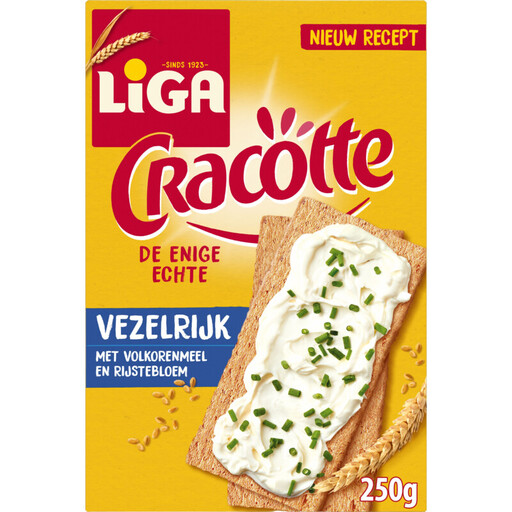 Image unavailable
A toast-style cracker to consider if you’re looking for a 250 g pack for family lunches. Check the current pack for fibre per 100 g, and if you have allergies, read the ingredients and allergen information carefully.
No. The pack size mainly tells you how much you’ll have in stock. Also check the grains used, fibre and salt per 100 g, and what you eat with the toast. The Voedingscentrum suggests considering wholegrain products and vegetables as part of lunch.
Choose a pack size that suits how much you eat and follow the storage instructions on the pack. For AH Melba toast naturel, Albert Heijn recommends storing the toast in a sealed container after opening; this multipack also contains individual packs.
Not always. According to the Consumentenbond, crackers, rusks and crispbread with this label can also contain white flour. Read the ingredients list to check which grains a specific product contains.
It varies by product. Bolletje lists ingredients including wheat, sesame and barley for its Lichte Crackers Volkoren. If you have an allergy, always check the current ingredients and allergen information on the pack you’re buying.
No. According to the Voedingscentrum, using baker’s salt isn’t compulsory. The Nederlandse Voedsel- en Warenautoriteit says that iodine may be added to bread, bread substitutes and other bakery products through baker’s salt, up to a maximum of 65 mg of iodine per kg of salt. Check the label to see whether baker’s salt has actually been used.