
Families who eat crackers every day
Use crackers at times other than coffee breaks too. A larger pack or one with individually wrapped portions can be a good choice, as long as your family gets through them while they’re still crunchy.


A larger pack of everyday crackers is especially practical if your family also eats them for breakfast or lunch. For a small, crunchy bite alongside cake, thinner Melba toast is a better fit. Then check the pack size, whether there are individual wrappers, the texture you prefer and the label. A large opened pack is less convenient if you can’t keep the crackers sealed and dry.
Use crackers at times other than coffee breaks too. A larger pack or one with individually wrapped portions can be a good choice, as long as your family gets through them while they’re still crunchy.
You’re looking for a small, light or extra-crunchy addition to serve at the table. Thin Melba toast is a better fit for this than a substantial breakfast cracker.
You want to check the ingredients, allergens and nutritional information for the variant you choose. This is particularly important if you’re serving a selection of grain or seed crackers.
First decide whether the crackers are mainly for the coffee table or will also be eaten every day. Then compare the pack format and label of the options that suit how you plan to use them.
| What to consider | What to check before buying | Who is this most important for? |
|---|---|---|
| How quickly you’ll use them and the packaging | Check the total pack size, the number of crackers and whether the pack contains individual wrappers. Also check the storage instructions after opening. | If I use crackers for breakfast or lunch too, I want a pack my family can finish at home before the rest go soft. Around 40% of consumers put regular family use first. |
| Texture and when you’ll serve them | Choose between light crackers, firmer breakfast crackers and thin Melba toast; consider whether you’ll serve them plain or with a topping. | With cake, I want to serve something small and crunchy, not necessarily a cracker for everyday use. For around 30% of consumers, this role at the coffee table is the main consideration. |
| Ingredients and nutritional information | Read the ingredients and allergen information for the variant you choose, and compare fibre and salt on the same basis, for example per 100 g. | When I’m choosing for my family or guests, I want to know exactly what’s in the pack. Label information is the deciding factor for around 30% of consumers. |
A larger pack doesn’t necessarily make it easy to spread the contents across several eating occasions. Individual wrappers and how quickly your family gets through the crackers both make a difference.
Check the total weight, the number of crackers and how the pack is divided. See how the packaging says to store the contents after opening.
Nutritional information varies by product. Albert Heijn lists 14 g of fibre and 0.88 g of salt per 100 g for Bolletje Ontbijtcrackers Meerzaden; Jumbo lists 3.9 g of fibre and 1.3 g of salt per 100 g for Van der Meulen Melba Toast Naturel. The product shape and portion size may also differ.
Compare the nutritional information on the packs you’re actually considering, rather than using one nutritional value to judge the whole product.
A cracker may contain several grain and seed ingredients. The Netherlands Food and Consumer Product Safety Authority highlights the importance of correct allergen information on the label.
If you’re serving guests with allergies, read the ingredients list and allergen information on the current packaging of every variant you choose.
Product types and availability can vary between shops. Lidl states that its light crackers are only available in store.
Check which variant is available shortly before buying, and make sure the pack is the one you’re looking for.
Bolletje offers breakfast crackers, among other products. The pack format and nutritional information below apply specifically to Ontbijtcrackers Meerzaden.
For anyone looking for thin toast to serve with coffee, rather than a larger breakfast cracker.
This retailer’s product information can help you compare specific packs of crackers.
Offers a range of product types, from light crackers to Melba toast.
ALDI’s own-label brand, with several types of crackers, including robust, thin and rye varieties.
These products show different options for coffee time: crackers that also suit other eating occasions, an assortment of savoury crackers and thin Melba toast. Focus on comparing the pack size and label with how you plan to use them at home.
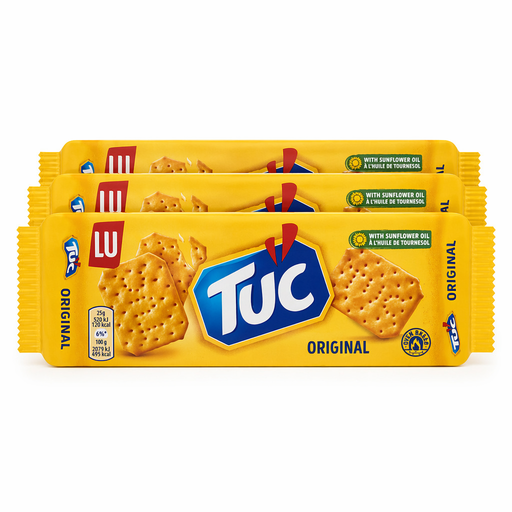 No image available
An option for sharing or serving crackers on several occasions; the listed pack size is 3 × 100 g. Check the packaging to see how the contents are divided and how to seal an opened pack.
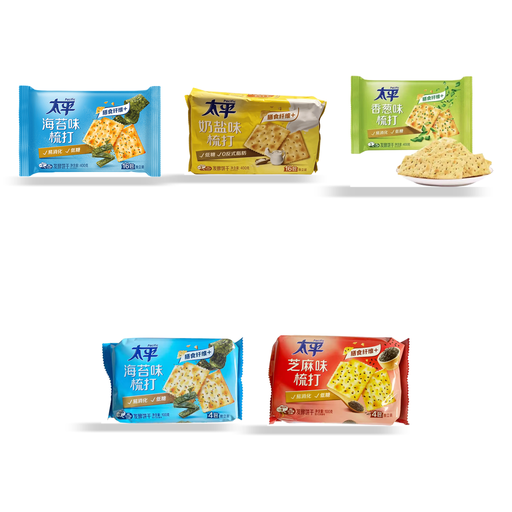 No image available
An assortment to consider if you’d like to share a selection of savoury crackers. Check the contents and packaging for each type; the listed storage instructions say to refrigerate and consume within one day of opening.
 No image available
A cracker to compare if you’re also planning to use the pack for breakfast or lunch. The pack contains 300 g; check the nutritional information and whether the pack format suits how quickly you’ll get through it.
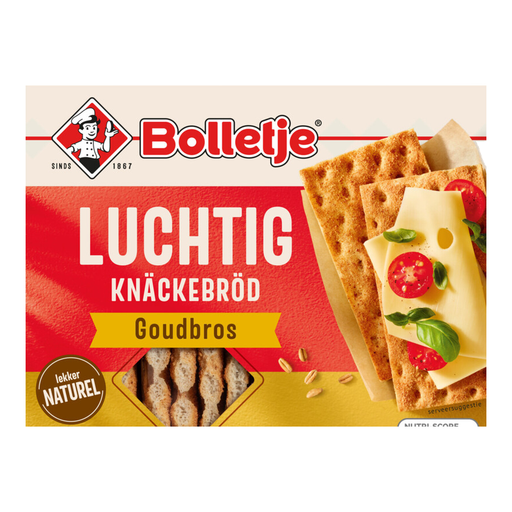 No image available
A light cracker to consider for the coffee table as well as other everyday eating occasions. The pack contains 240 g; check the packaging for the number of crackers, pack format and ingredients.
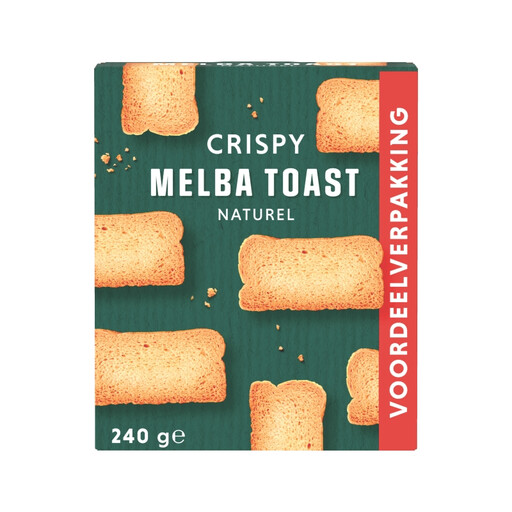 No image available
Thin toast for anyone looking to serve a small, crunchy bite alongside cake; the listed pack size is 240 g. The available ingredients list includes wheat, barley and soya lecithin, but the allergen statement contradicts this information. Check the current packaging before buying, especially if allergens are a concern for you or your guests.
It’s most useful when your family regularly eats the same crackers outside coffee time too. Check the pack size, whether it has individual wrappers and the storage advice, so an opened pack doesn’t get left unfinished or lose its crunch.
Thin Melba toast is a good fit if you want a small, crunchy bite; light crackers are another option if you’ll also serve them at everyday mealtimes. If you mainly want them for breakfast or lunch, choose a firmness and product type that suits those occasions.
Read the allergen information and ingredients list on the packaging of the exact variant you’ve chosen. According to the European Union, allergen information must appear on prepacked foods. Don’t rely on the ingredients for a different flavour or a general brand description.
Follow the advice on the relevant pack and seal an opened portion as instructed. Albert Heijn says to store Bolletje Ontbijtcrackers Meerzaden in a dark, dry and sealed place after opening; other products may have different instructions.