
Parents who prepare school portions in advance
They want to be able to pop biscuits into a lunchbox quickly on school mornings, so they look for individually wrapped portions or a pack that’s easy to divide up at home.


A family pack with individually wrapped portions is handy if you want to quickly pack a portion for secondary school. If you prefer to portion them out at home, look for a pack with several rolls or inner packs. Check the ingredients, allergens and nutritional information on the exact product you buy, and find out what rules apply at school.
They want to be able to pop biscuits into a lunchbox quickly on school mornings, so they look for individually wrapped portions or a pack that’s easy to divide up at home.
They may need to account for an allergy or a school rule. For them, the ingredients and allergens listed on the packaging of the exact product they buy are crucial.
They want to know how a biscuit fits alongside the other parts of a school lunch, so they compare the nutritional information for each product.
First decide whether you want to take a portion straight from the family pack or divide it up at home. Then check the information on the exact pack and any relevant school rules.
| What to consider | What should you check? | Who is this most important for? |
|---|---|---|
| Portions and packaging | Check how many individual packs or rolls there are, and how to store the biscuits after opening. | If I need to pack a lunchbox quickly in the morning, I want to be able to grab a portion without much preparation. For around 42% of consumers, portioning convenience matters most. |
| Stocking up | Compare the net weight and consider how much of the pack you’re likely to use. | If several family members eat the same biscuits, I want to have enough at home without leaving an opened pack unused. This need to stock up is a priority for around 33% of consumers. |
| Ingredients and nutritional information | Read the allergen information and compare nutritional values on the same basis, for example per 100 g. | If an allergy or a school rule is a factor, I want to know exactly what’s in the product I buy. The place of the biscuit in the lunch matters too. This is the first consideration for around 25% of consumers. |
A large pack isn’t necessarily easy to pop into a lunchbox. If it comes in rolls or larger inner packs, you’ll need to portion the biscuits out yourself.
Before buying, check how the pack is divided up and follow the storage instructions after opening.
A claim about fruit or fibre doesn’t tell you which allergens the exact product contains or how its nutritional values compare with those of other biscuits.
Read the ingredients, allergen information and nutritional information, and compare values per 100 g with those of another product on the same basis.
Ingredients can vary between products and varieties. According to Lotus Bakeries Netherlands, Lotus Biscoff Original contains wheat and soya.
Always check the label on the pack you’re buying, and ask the school what rules apply to the pupil or class.
For its Original speculoos biscuits, Lotus Bakeries Netherlands lists, among other options, a Mega Pack of 20 × 2 biscuits: a format to consider if you’re looking for portions that are ready to go.
Jumbo’s biscuit range includes a variety of pack sizes, including the McVitie's Digestives Original value pack of 2 × 400 g.
ALDI Netherlands lists María biscuits in four 200 g rolls, so you can portion them out at home for school.
Lidl offers a range of biscuits and cookies under the Sondey brand. Compare the specific products before choosing a pack for school.
Albert Heijn sells own-brand biscuits, and the ingredients and nutritional information can vary between varieties.
These products offer two ways to get biscuits ready for a school lunch: choose a smaller pack or a multipack, or portion them out at home from a larger pack. Check that each product’s packaging suits your routine and any school rules.
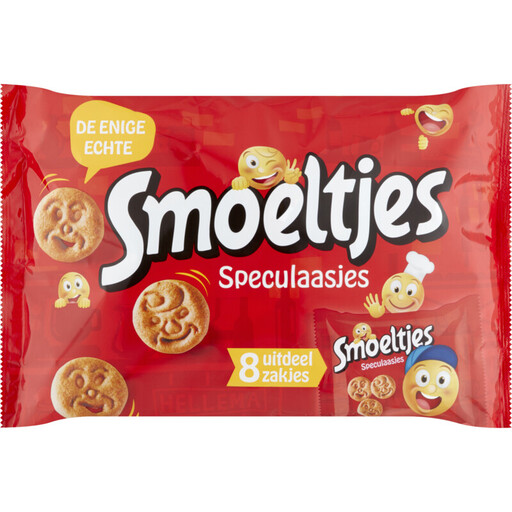 Image unavailable
An option if you want to portion out biscuits for school in advance.
Check what the 8 pcs on the pack means for portion sizes, and read the allergen information before packing them.
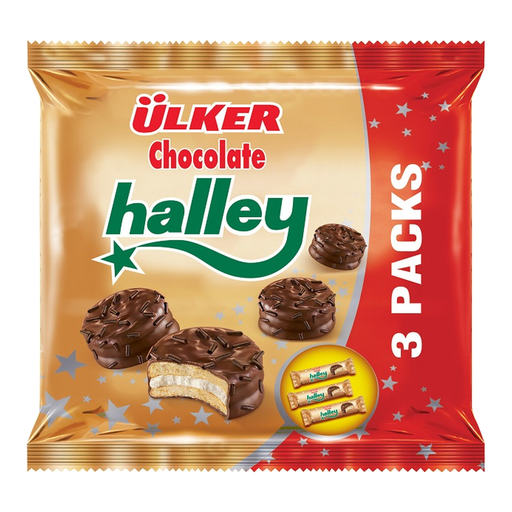 Image unavailable
The three packs may suit anyone who wants to take biscuits to school on different days.
Check the pack you buy to see how many biscuits you want to pack each time, and check the ingredients and allergens.
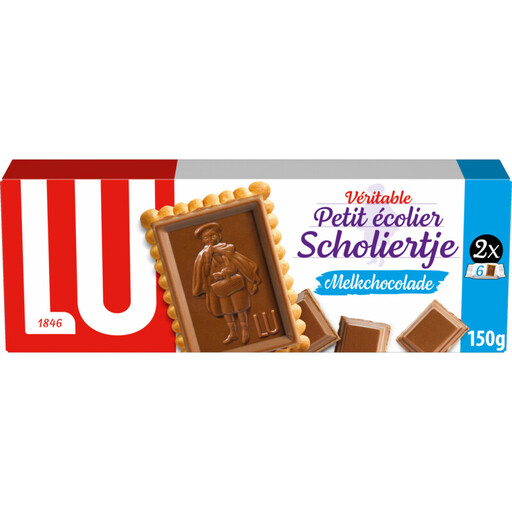 Image unavailable
A smaller pack to consider if you don’t want to buy lots of biscuits at once.
Before preparing school portions, check how the pack is divided up and read the nutritional and allergen information on the label.
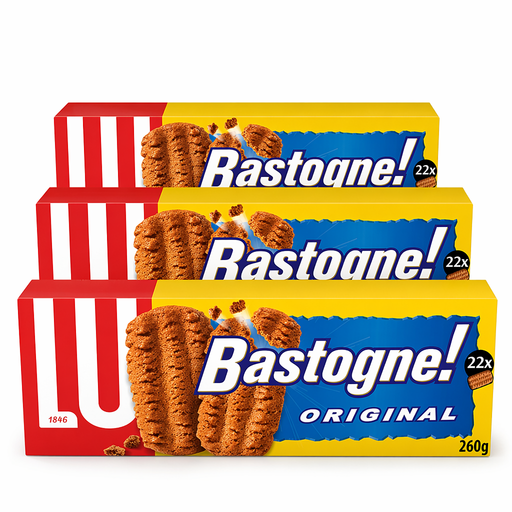 Image unavailable
This multipack suits households that want to portion out biscuits at home for several lunches.
When opening the three packs, follow the storage instructions and check the label for allergens and nutritional values.
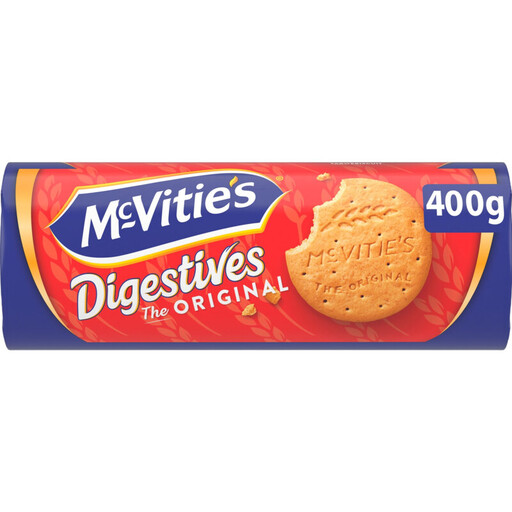 Image unavailable
A pack to portion out at home if you’d rather not choose a smaller one.
Check how to store the pack after opening, and read the allergen and nutritional information on the label before packing a school lunch.
Check the packaging of the product you buy if gluten is relevant to the pupil or to school rules. The Netherlands Food and Consumer Product Safety Authority says allergens must be clearly listed on labels, so don’t rely on the brand name alone.
Think of biscuits as one part of the whole lunch, not a replacement for the other items. The Netherlands Nutrition Centre points out that many snack products contain a lot of sugar, salt or saturated fat. So read the nutritional information for the biscuits you choose and consider what else is going to school.
Follow the storage instructions on the pack and seal it as directed once opened. If you prepare school portions at home, choose a way of packing them that suits those instructions and how you use the biscuits.