For a fakeaway with fussy eaters, white bread may be the right choice if a familiar bread experience is the priority. Brown bread could be a middle ground, but its ingredients vary from product to product. If you specifically want wholemeal bread, choose a loaf labelled as wholemeal. Also compare the ingredients and fibre per 100 g: a dark colour or the name ‘multigrain’ doesn’t, on its own, mean the bread is wholemeal.
Who is this choice for?
Fussy fakeaway eaters
When choosing bread for burgers, toasted sandwiches or filled rolls, they mainly want a familiar base. According to Albert Heijn, brown bread is often made with a mix of flour and wholemeal flour. If you’re considering it as a middle ground, check the ingredients of the specific loaf.
Families looking for wholemeal
Even for a casual meal, they want to know whether bread is actually labelled as wholemeal, rather than judging by its colour. According to the Netherlands Nutrition Centre, wholegrain cereal products contain more fibre than white cereal products.
Label-conscious bread buyers
They check the ingredients and allergens in the bread they choose, or want to know whether baker’s salt has been used. According to the Netherlands Nutrition Centre, not all bread is made with baker’s salt. Check the packaging or ask the baker to find out.
What should you look for when choosing?
First choose a type of bread that suits the people eating it, then decide which shape you need for the dish. White, brown and wholemeal are different choices; finding a suitable shape tells you nothing about the bread’s ingredients.
White bread
Choose it when: a familiar, light-coloured bread is the priority for your diners.
The trade-off: according to the Netherlands Nutrition Centre, wholegrain cereal products contain more fibre than white cereal products.
Brown bread
Choose it when: you want something between white and wholemeal, and the taste of the particular loaf suits your diners.
The trade-off: according to Albert Heijn, brown bread is often a mix of flour and wholemeal flour; brown doesn’t automatically mean wholemeal.
Wholemeal bread
Choose it when: wholemeal and fibre matter more to you than the look of white bread.
The trade-off: if you have fussy eaters, check that they’ll enjoy the taste and texture of the loaf you choose.
| What to consider |
What to check |
Who it matters to |
| Familiar taste and texture |
Compare the type of bread and ingredients in white and brown bread; don’t judge the taste by colour alone. |
If fussy eaters might turn down a sandwich, I mainly want a familiar base for the dish. For around 50% of consumers, that familiar bread experience comes first. |
| Wholemeal and fibre |
Look for the wholemeal label and compare the fibre per 100 g in the nutritional information. |
I want to choose wholemeal bread for this meal, even if that means a white appearance matters less. Around 40% of consumers prioritise choosing wholemeal. |
| Bread shape for the dish |
Decide whether the dish calls for a roll, flatbread, pitta bread or sliced bread. |
The shape of the bread needs to work for the filling or preparation I have planned. This practical requirement comes first for around 10% of consumers. |
Common mistakes
-
Assuming brown or multigrain means wholemeal
A dark colour doesn’t prove that bread is wholemeal. Albert Heijn describes brown bread as often being made with a mix of flour and wholemeal flour. In July 2024, the Netherlands Food and Consumer Product Safety Authority also warned about products incorrectly described as wholemeal.
Look for the wholemeal label and read the ingredients. Choose brown bread if you like its taste, not because its colour guarantees that it’s wholemeal.
-
Assuming all bread contains baker’s salt
According to the Netherlands Nutrition Centre, using baker’s salt isn’t compulsory. So you can’t assume that every loaf provides the same amount of iodine.
Check the packaging or ask the baker whether baker’s salt has been used.
-
Relying on the bread’s name when checking for allergens
A loaf’s shape, colour and name don’t tell you which allergens the specific product contains. This is particularly important when you’re buying for someone with a food allergy.
Check the up-to-date ingredients and allergen information for the product you’ve chosen. If you need a gluten-free option, also check that it’s explicitly labelled gluten-free and take care to avoid cross-contamination when serving.
Brands and shops to consider
Albert Heijn
Its online bread range includes white, brown, wholemeal, multigrain and sourdough options.
- Offers a range of bread types to compare side by side.
- Albert Heijn says that brown bread is often a mix of flour and wholemeal flour; check each product’s name and ingredients.
Jumbo
Its online bread and bakery range includes loaves, rolls and part-baked bread.
- Makes it easy to compare different bread shapes for one meal.
- Check which products are available at your local shop or for delivery in your area.
Lidl
Its bread categories include white, brown, multigrain and wholemeal.
- According to Lidl, its packaged loaves have a fibre meter that can help you compare fibre content.
- Also check the product name, ingredients and allergens; the fibre meter doesn’t tell you whether a loaf is wholemeal.
PLUS
Its online wholemeal range includes different bread shapes, including full and half loaves.
- Offers options to help you choose the wholemeal bread shape you want.
- PLUS notes that product information can change, so check the packaging when you buy.
Dirk
Its online bread range includes white, wholemeal, multigrain, sourdough and pitta bread.
- Offers options to match the type and shape of bread to the dish you have planned.
- A name like ‘multigrain’ doesn’t prove that a particular loaf is wholemeal; check the label.
Bread options on Joybuy
These bread options work well with dishes featuring flatbread, round loaves or rye bread. If you’re mainly looking for a milder option between white and wholemeal, check separately whether a particular loaf’s taste and ingredients suit you.
 No image available
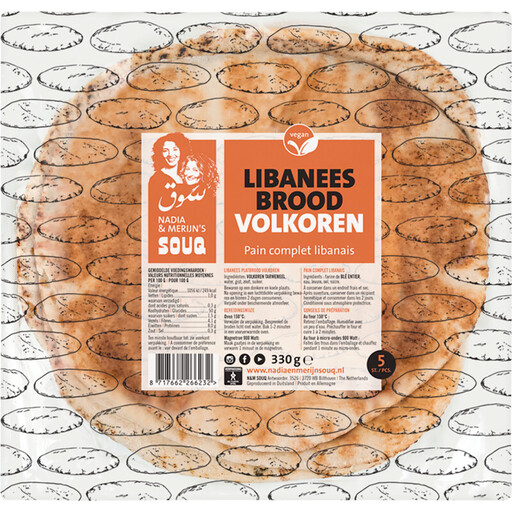
Souq Lebanese wholemeal bread, 6 pieces
A wholemeal option for a fakeaway with fillings or dips; check whether this bread shape suits your dish.
If you have allergies, check the current packaging. If iodine content matters to you, look for a mention of baker’s salt.
View on Joybuy
 No image available
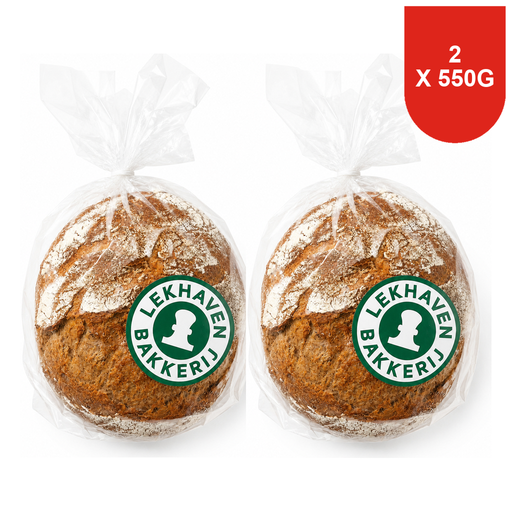
Lekhaven Bakkerij round wholemeal bread, 2 × 550 g
A round wholemeal option if you want to use a whole loaf for your meal.
Remember to defrost and bake before use. Check the current packaging for allergens and a mention of baker’s salt.
View on Joybuy
 No image available
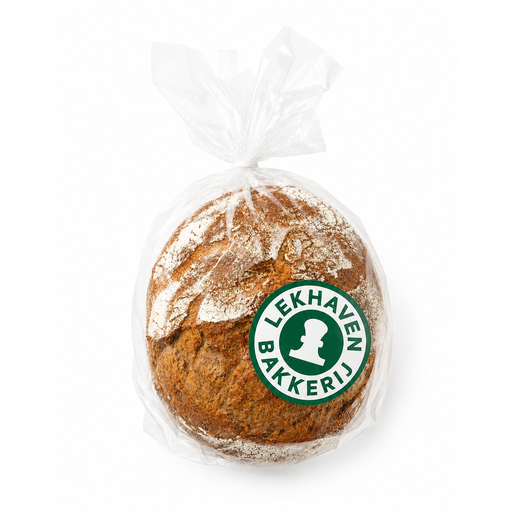
Lekhaven Bakkerij round wholemeal bread, 550 g
A round wholemeal loaf for a meal where you want to choose the size of the pieces or slices yourself.
Remember to defrost and bake before use. Check the current packaging for allergens and a mention of baker’s salt.
View on Joybuy
 No image available
TastyBasics rye bread, 9 pieces
A rye bread option if this type of bread suits your planned dish and the people eating it.
Consider whether the distinctive taste of rye will suit fussy eaters. Check the current packaging for allergens and baker’s salt.
View on Joybuy
 No image available
Bolletje rye bread, 500 g
A rye bread option to consider if this type of bread suits your meal.
Before buying, check whether the pack contains rolls or sliced bread; the product information describes it differently. Also check the current label for allergens and baker’s salt.
View on Joybuy
Frequently asked questions
Is brown or dark bread automatically wholemeal?
No, colour alone doesn’t tell you that. Albert Heijn describes brown bread as often being made with a mix of flour and wholemeal flour. If you want wholemeal, look for the wholemeal label and read the ingredients of the specific loaf.
Does bread always contain iodine?
No, don’t assume that every loaf is made with iodised baker’s salt. According to the Netherlands Nutrition Centre, using baker’s salt isn’t compulsory. Check the packaging or ask the baker.
How do I check for allergens when I’m serving guests?
Read the current ingredients and allergen information for the exact bread you plan to serve. The Netherlands Food and Consumer Product Safety Authority highlights the importance of clear allergen labelling. Don’t rely on the bread’s colour, shape or a name like ‘multigrain’. If you need a gluten-free option, check the label too and prevent cross-contamination when serving.
How do I compare two loaves with different portion sizes?
Compare their nutritional information per 100 g so that portion size doesn’t skew the comparison. The Netherlands Nutrition Centre recommends using this basis for comparison. Also check the ingredients, allergens and product name for the features that matter for your meal.


