Who is this relevant for?

Sportspeople who want to verify Fairtrade claims

You want to see a Fairtrade mark or an explicit statement that the chosen product contains Fairtrade cocoa. Fairtrade International explains that mass balance may also be used for cocoa, so check the information accompanying the mark if physical traceability is important to you.

Sportspeople who want something small to take with them

You’re looking for a measured portion to have before you set off or while you’re on the go. Compare the carbohydrates per portion with what else you eat before training, and consider when you’ll have the snack.

Shoppers with allergy or dietary requirements

For you, ingredients and allergens matter more than convenient packaging or a Fairtrade statement. Even if you know the product, check the current packaging: the Netherlands Food and Consumer Product Safety Authority says that prepacked products must display allergen information on the label.

What should you look for when choosing?

First decide whether Fairtrade is a requirement for the specific product. Then compare the portion with when you’ll be eating before training, and finally check that the ingredients and allergens suit you.

What to consider What to check when buying Who it matters to
Fairtrade statement Look for the mark or an explicit statement that the product contains Fairtrade cocoa on the packaging. For cocoa, also read any information about mass balance. If I want to make a conscious choice to buy Fairtrade cocoa, that needs to be clear for this particular product; for around 37% of consumers, this check comes first.
Carbohydrates and timing Check the carbohydrates per portion and when you’ll eat it, taking into account previous meals and the planned exercise. For a longer training session, I want to know what my snack contributes without eating an uncomfortable portion just before setting off. Around 36% of consumers give this consideration top priority.
A portion to take with you Check how many biscuits are in each individual pack and the weight of the portion you actually want to eat. If I want to take something small with me, I don’t want to automatically count a whole pack as one portion; portion control matters most to around 18% of consumers.
Ingredients and allergens Read the ingredients list and allergen information on the current packaging, even if the front mentions a dietary claim. If I need to avoid ingredients because of an allergy or dietary requirement, that takes priority over my snack choice. This need comes first for around 9% of consumers.

Common mistakes

  • Assuming chocolate proves that the cocoa is Fairtrade

    A chocolate coating or a retailer’s general sustainability policy doesn’t tell you whether the biscuit you’ve chosen contains Fairtrade cocoa.

    Check the Fairtrade statement on the packaging of the specific product. Also read any information accompanying the mark: according to Fairtrade International, mass balance may be used for cocoa.

  • Treating a small snack as a complete pre-training eating plan

    A few biscuits won’t necessarily provide the amount of carbohydrates you want to plan for a longer period of exercise. For exercise lasting more than 60 minutes, the Gatorade Sports Science Institute recommends 1–4 g per kg of body weight in the 1–4 hours beforehand.

    Consider the carbohydrates in your chosen portion alongside previous meals, and don’t try an unfamiliar snack for the first time on an important sports day.

  • Checking only the front of the pack if you have allergies

    Chocolate biscuits can contain various allergens. Albert Heijn lists milk, soya and cereals containing gluten among the ingredients in Verkade Lange Nekken; another biscuit may have a different composition.

    Read the ingredients and allergen information on the packaging of the product you’re actually buying, even if you’ve eaten it before.

  • Treating seasonal chocolate as a year-round biscuit choice

    Lidl links its Fairtrade statement for Favorina to seasonal chocolate. That doesn’t tell you whether a particular chocolate biscuit carries the same statement on the day you buy it.

    Check the specific product, current packaging and Fairtrade statement in store before choosing it as an alternative.

Brands and retailers to consider

Verkade

Worth considering if you’re looking for a biscuit that explicitly states it contains Fairtrade cocoa.

  • Albert Heijn states that Verkade Lange Nekken contains Fairtrade cocoa and that Chocorondjes contain Fairtrade milk chocolate.
  • Check the allergens for each variety: Lange Nekken lists milk, soya and cereals containing gluten; Chocorondjes lists milk and wheat, as well as the possible presence of other allergens.

Albert Heijn

A retailer where you can compare product information for both biscuits containing Fairtrade cocoa and Fairtrade chocolate.

  • The product information for AH Biologisch Reep extra puur states that it is Fairtrade and explains mass balance.
  • This is a chocolate bar, not a biscuit. Albert Heijn says that online ingredient and nutritional information may change, so check the packaging of the product you buy.

Lotus Biscoff

An option to consider if individually wrapped portions matter more than confirmed Fairtrade labelling.

  • Albert Heijn describes Lotus Biscoff Speculoos Belgian Chocolate 2-pack as six biscuits, packed in threes, and says they’re suitable for vegans.
  • If you specifically want Fairtrade cocoa, check whether the current packaging for this variety explicitly says so.

Lidl

Worth considering if you’re also looking at seasonal chocolate as an alternative to a biscuit.

  • Lidl Netherlands says its Favorina seasonal chocolate is Fairtrade-certified.
  • That statement doesn’t automatically apply to a chocolate biscuit or to chocolate outside that product range.

ALDI

A retailer to consider for Fairtrade chocolate if a chocolate bar also fits the kind of snack you’re looking for.

  • ALDI Netherlands includes Fairtrade chocolate in its Fairtrade range.
  • Check the Fairtrade statement, nutritional information and availability for the specific product you choose.

Jumbo

A retailer where you can browse chocolate biscuits and Fairtrade products separately.

  • Jumbo has online categories for chocolate biscuits and Fairtrade products.
  • Being listed in either category doesn’t prove that a specific chocolate biscuit contains Fairtrade cocoa; check the product label.

A related product at Joybuy

This chocolate bar is an alternative to consider as an addition to what you eat before exercising; it isn’t a biscuit. Check the packaging to make sure the Fairtrade statement, portion and ingredients meet your requirements.
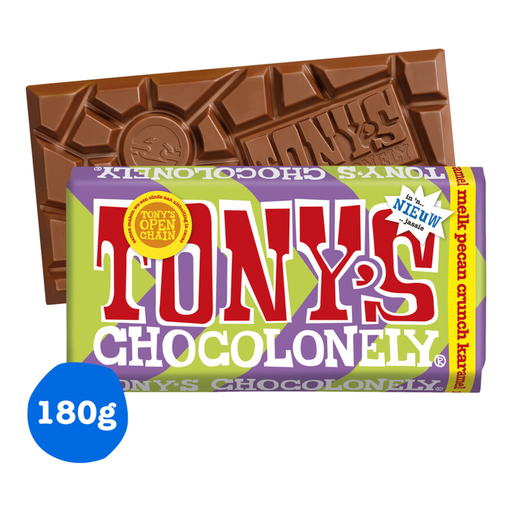
Tony's Chocolonely milk chocolate bar with pecan and caramel, 180 g

Tony's Chocolonely milk chocolate bar with pecan and caramel, 180 g

If you’re considering chocolate instead of a biscuit as an addition to your food, compare the carbohydrates per chosen portion on the packaging and check the Fairtrade statement and allergens.

View at Joybuy

Frequently asked questions

Is one chocolate biscuit enough before a training session?

A chocolate biscuit can be an addition, but consider the carbohydrates in the portion alongside what else you eat. For exercise lasting more than 60 minutes, the Gatorade Sports Science Institute recommends 1–4 g of carbohydrate per kg of body weight in the 1–4 hours beforehand. How much is right for you within that range depends, among other things, on the exercise and your tolerance.

Does Fairtrade cocoa mean that all the cocoa is kept physically separate?

No, not always. Fairtrade International allows mass balance for cocoa: Fairtrade and non-Fairtrade ingredients may be mixed during production, while the volumes of Fairtrade ingredients bought and sold are tracked. Check the mark and any accompanying information on the packaging if this distinction affects your choice.

Where can I find the allergens in a prepacked biscuit?

Read the allergen information on the label of the pack you’re buying. According to the Netherlands Food and Consumer Product Safety Authority, this information must appear on the label of prepacked products. Also check the ingredients list and any statement about the possible presence of other allergens.

Can I use the nutritional information on an online product page?

Use online information to compare products, but check the packaging of the product you’ve chosen before eating it. Albert Heijn warns that ingredients, nutritional values and allergen information may change when products are updated.
