What should you look for when choosing?
First decide whether Fairtrade cocoa is a must-have or whether you’re mainly looking for a biscuit treat. Then check the packaging for allergens, portion sizes and nutritional value; a certification mark won’t answer those questions.
| What to consider |
What to check when buying |
Who it matters to |
| Fairtrade cocoa or chocolate |
Look for the mark on the actual product and check whether the claim applies to the cocoa or chocolate. Read the explanation if physical traceability is important to you. |
If Fairtrade cocoa is my main requirement, I want to know which ingredient the mark applies to. Around 33% of consumers put this check first. |
| A biscuit treat or an everyday snack |
Check the portion size and compare sugars and fats per 100 g and per portion. Decide whether the biscuits are for a treat or a regular snack. |
On a holiday, I want to distinguish between an occasional biscuit and what I usually give my child as a snack. This is the most important consideration for around 25% of consumers. |
| Allergens |
Read the current ingredients list, allergen information and any cross-contamination warnings. |
If a child has a relevant allergy, I need to be able to assess whether this particular product is suitable. This is the main concern for around 25% of consumers. |
| Packaging for taking on the go |
Check the number of biscuits and portions per pack. For individually wrapped biscuits, check the product information on the outer packaging too. |
For an outing, I want to be able to take and share the snack without planning more biscuit breaks than intended. Around 17% of consumers prioritise this practical consideration. |
Brands and shops to consider
A brand or shop that sells Fairtrade products doesn’t automatically offer Fairtrade-certified spiced biscuits. Check the mark on each product individually.
Lotus Biscoff
Lotus Biscoff sells Original Speculoos in various pack sizes, including a pocket pack listed by Lotus Bakeries Nederland.
- A familiar speculoos range if you’re looking for a biscuit treat.
- The product information described here doesn’t show a Fairtrade mark; Jumbo lists wheat and soya for the speculoos in question.
Albert Heijn
Albert Heijn lists Lotus Biscoff Speculoos as a product. Fairtrade Nederland also includes chocolate among the supermarket’s Fairtrade range.
- Offers a way to look at biscuits and products with a Fairtrade claim separately.
- A Fairtrade listing for chocolate doesn’t confirm that the speculoos carries the same mark.
Jumbo
Jumbo lists Fairtrade Original cocoa powder and dark chocolate sprinkles among other products in its Fairtrade category. Lotus Biscoff Speculoos is listed separately.
- The cocoa products in the category could be a starting point for making your own snack.
- The separate listing for Lotus Biscoff Speculoos doesn’t confirm Fairtrade certification for those biscuits.
Fairtrade Original
Jumbo lists Fairtrade Original cocoa powder and dark chocolate sprinkles in its Fairtrade category.
- Worth considering if you’re looking for cocoa or chocolate to make your own snack.
- Cocoa powder or sprinkles aren’t ready-made spiced biscuits; check the mark on the product you choose.
A product for making your own snack
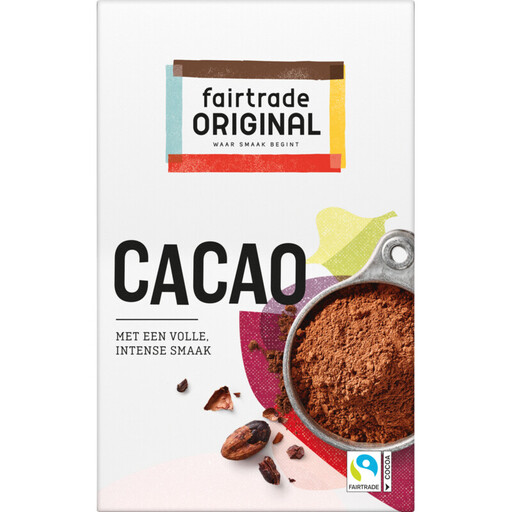
This cocoa powder is for anyone who wants to make their own cocoa snack, not for those looking for ready-made spiced biscuits. If Fairtrade certification is a priority, check the mark on this product’s packaging.
 No image available
Fairtrade cocoa powder 125 g
Cocoa powder for making your own cocoa snack; it isn’t a ready-made biscuit. The product name mentions Fairtrade, but check the mark and the explanation on the current packaging to make sure it meets your requirements. If you have allergies, check the ingredients and any cross-contamination warnings too.
View at Joybuy
Frequently asked questions
Is Lotus Biscoff Original Speculoos Fairtrade-certified?
The Dutch product information described here doesn’t confirm Fairtrade certification for Lotus Biscoff Original Speculoos: it mentions certified palm oil, but doesn’t show a Fairtrade mark. If you’re specifically looking for Fairtrade cocoa, check whether the product you choose contains cocoa and which ingredient the mark applies to.
Is Fairtrade cocoa always processed separately?
No. Fairtrade International allows mass balance for cocoa, which means Fairtrade and non-Fairtrade ingredients may be physically mixed during processing. If physical traceability is important to your choice, read the explanation of the mark on the packaging.
What should I check before giving someone with an allergy packaged spiced biscuits?
Read the current ingredients list, highlighted allergens and any cross-contamination warnings on the specific pack. The Netherlands Food and Consumer Product Safety Authority explains that allergens must be listed on labels; Jumbo lists wheat and soya, among other ingredients, for Lotus Biscoff Speculoos.
Are spiced biscuits suitable as an everyday snack for children?
It’s better to treat spiced biscuits as a planned treat rather than the go-to everyday snack. For children aged 4 to 12, the Netherlands Nutrition Centre recommends vegetables and fruit as snack choices, among other options. If you’re choosing biscuits, check the portion size and nutrition information on the packaging.


