
People who want to take a snack with them
A currant bun can go straight into your bag, with no cutlery needed. Before you leave, check the portion size, storage instructions and allergens on the packaging.


Choose a currant bun for your gym bag based on its label, allergens, portion size and storage instructions. If the bun itself must be Fairtrade-certified, look for a certification mark or a product-specific claim on the bun: a supermarket’s cocoa policy does not prove that it is certified. If you’re taking chocolate separately, check its Fairtrade claim independently of the bun.
A currant bun can go straight into your bag, with no cutlery needed. Before you leave, check the portion size, storage instructions and allergens on the packaging.
What matters to you is a certification mark or product-specific claim for the exact product you’re buying, not just the shop’s general cocoa policy.
You might weigh up the convenience of a currant bun against options such as fruit or wholemeal bread. The allergens listed for the Jumbo and PLUS currant buns reviewed here are worth checking too.
First, decide whether Fairtrade needs to apply to the currant bun itself or to chocolate you’re taking separately. Then compare what’s practical for your snack break and read the label on the variety you choose.
| What to consider | What to check when buying | Who is this important to? |
|---|---|---|
| Fairtrade status of the currant bun | Look for a certification mark or product-specific Fairtrade claim on the packaging. Check that any claim about cocoa applies to this product. | I want the currant bun itself to demonstrably meet my Fairtrade requirement, not just another product from the same shop. For around 42% of consumers, this product-specific requirement matters most. |
| Convenience as a snack | Check the portion size per bun. If it’s a regular snack, compare it with fruit or a wholemeal option too. | A bun is easy to take with you and needs no cutlery, but for a child I also want to weigh it up against other snacks. This combination of convenience and choice comes first for around 33% of consumers. |
| Labelling and storage | Read the allergens and any warnings about possible traces of allergens. Follow the storage and any freezing instructions on the packaging you choose. | If I need to take allergens into account or buy several bags, I want to know what the buns contain and how to store them. These questions about labelling and storage are the top priority for around 25% of consumers. |
PLUS describes its use of Fairtrade cocoa in own-brand products containing cocoa, while Albert Heijn describes the certification of its own-brand cocoa. Neither policy confirms that a currant bun itself is Fairtrade-certified.
Check the claim on the currant bun you’re buying. Assess any chocolate product separately by checking its own packaging.
The Netherlands Nutrition Centre lists fruit and wholemeal bread among its everyday snack examples for children; a currant bun isn’t among its preferred options.
If you regularly take a snack with you, weigh up the convenience of a currant bun against those alternatives.
The Jumbo and PLUS currant buns reviewed here list wheat and milk. The product information also includes warnings about allergens that may be present.
Read the current packaging for the variety you choose, including any warnings about possible traces of allergens.
Jumbo and PLUS list baker’s salt in the varieties reviewed here. According to the Netherlands Nutrition Centre, bakers don’t necessarily use it.
Check the ingredients of the currant bun you’re buying, or ask the baker which salt they use.
For its Raisin Currant Buns, Jumbo lists ingredients, allergens and nutritional information for a pack of six.
PLUS offers packs of six currant buns and a longer-life variety in packs of eight, with product information and storage instructions.
Albert Heijn has an overview of its range of currant buns and muesli buns, and separately describes its policy on own-brand cocoa.
Lidl lists currant buns in its range and provides information about ingredients and allergens for its freshly baked bread.
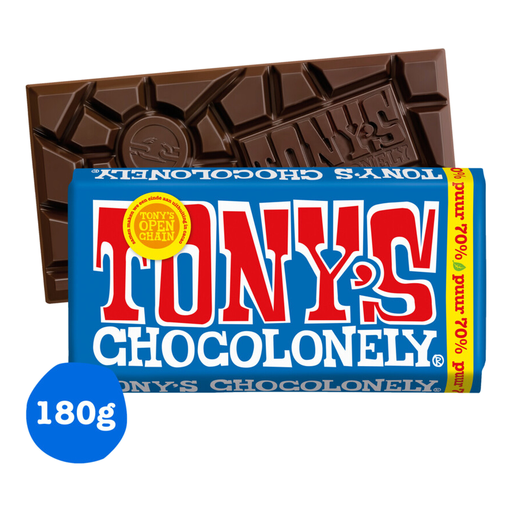
This Joybuy pick is chocolate you can take separately from a currant bun. A Fairtrade claim on chocolate says nothing about the bun’s certification, so check the claim for each product separately.
 No image available
A separate chocolate option if you’d like to take chocolate as well as a currant bun; this product isn’t a currant bun itself.
Check the Fairtrade claim and allergens on the current packaging. Also consider whether the portion size works for your gym bag.
No. A cocoa policy doesn’t confirm that a currant bun is certified. Look for a certification mark or product-specific claim on the bun itself; the Jumbo and PLUS currant buns reviewed here don’t list cocoa as an ingredient.
No. The Netherlands Nutrition Centre doesn’t include currant buns among its preferred everyday snacks for children. It lists fruit and wholemeal bread, among other examples, as options to compare for a regular snack break.
Don’t assume they do: according to the Netherlands Nutrition Centre, bakers don’t necessarily use baker’s salt. The varieties from Jumbo and PLUS reviewed here do list it; for another bun, check the ingredients or ask the baker.
Follow the instructions on the packaging for the currant buns you choose. For the varieties reviewed here, PLUS recommends storing them in a cool, dry place away from light and says they can be frozen on the day of purchase and used within one month.