
Christmas shoppers looking for Fairtrade cocoa
If you want to serve chocolate or another cocoa product with currant buns, check the Fairtrade label on that product itself. Assess the currant buns using their own packaging.


Choose currant buns for your Christmas shop based on the current ingredients, allergen information and storage instructions. If you want Fairtrade cocoa, assess the chocolate or cocoa product you buy separately: Fairtrade chocolate in a supermarket does not prove that a currant bun from the same shop is certified too. If you’re buying a larger quantity, the pack size and storage or freezing instructions for your chosen variety also matter.
If you want to serve chocolate or another cocoa product with currant buns, check the Fairtrade label on that product itself. Assess the currant buns using their own packaging.
If you have allergies or dietary requirements, the current packaging for your chosen variety matters more than the product name. The currant buns described by Jumbo and PLUS list ingredients including wheat or gluten and milk.
If you’re buying currant buns for several breakfasts or brunches, the number in each pack and the storage or freezing instructions will help you choose a practical option.
First, decide whether Fairtrade cocoa is a requirement for a separate chocolate product or for the currant bun itself. Then check the ingredients, allergens, quantity and storage instructions on the packaging of each product you choose.
| What to consider | What to check when buying | Who it matters to |
|---|---|---|
| Fairtrade cocoa | Look for the Fairtrade label on the chocolate or cocoa product you choose; check separately for any claim about the currant buns. | I want to serve chocolate with currant buns and be sure which product the certification applies to. For around 31% of consumers, choosing cocoa is a top priority. |
| Ingredients and allergens | Read the current ingredients list and allergen information; look for baker’s salt or iodised salt if that matters to your choice. | If someone at the table needs to avoid certain ingredients, I don’t want to rely on the name of the bun. Around 31% of consumers prioritise checking the label. |
| Number of buns and availability | Compare the number of buns in each pack with what you need, and check where you can buy your chosen variety. | For a Christmas brunch, I want to be able to buy enough buns without ending up with an unsuitable pack size. This is the most important consideration for around 23% of consumers. |
| Storage and buying ahead | Read the storage and any freezing instructions for the exact pack you choose. | If I’m buying well before Christmas, I want to know whether the buns can be stored until I serve them. This is the first consideration for around 15% of consumers. |
Fairtrade International’s cocoa standard applies to cocoa and processed cocoa. A certification mark on chocolate does not automatically apply to a separate currant bun from the same shop.
Check the Fairtrade label on the cocoa product you’re buying, and assess any label on the currant buns separately.
According to the Netherlands Nutrition Centre, using baker’s salt in bread is not compulsory. So don’t assume a product contains it just because of its category.
Check the ingredients list for the currant buns you choose to see whether they contain baker’s salt or iodised salt.
The product information for the varieties described by Jumbo and PLUS lists ingredients including wheat or gluten and milk. Warnings about possible traces may vary between varieties.
Before eating, read the current allergen information on the packaging, even if you’ve bought currant buns from the same brand before.
Freezing instructions apply to the specific variety. PLUS says to freeze its described currant buns on the day of purchase and use them within one month; don’t assume the same applies to other products without checking.
Work out how many buns you need and follow the instructions on the packaging you choose.
A pack that’s too large may leave you with leftovers if you don’t use the buns within the stated storage period.
Albert Heijn’s category listing shows currant buns in a range of pack sizes. When comparing them, make sure you check the exact variety.
Jumbo provides online ingredients and allergen information for its Raisin Currant Buns, sold in a pack of six.
Ingredients, allergen information and freezing instructions are listed for the six-pack of PLUS currant buns described here.
Lidl describes its currant buns as a grocery item sold in packs of six.
ALDI lists raisin currant buns as a grocery product in a pack of six.
This chocolate is a separate choice if you want to serve cocoa alongside currant buns. Choose the currant buns separately, and check the current chocolate packaging for the Fairtrade label you’re looking for.
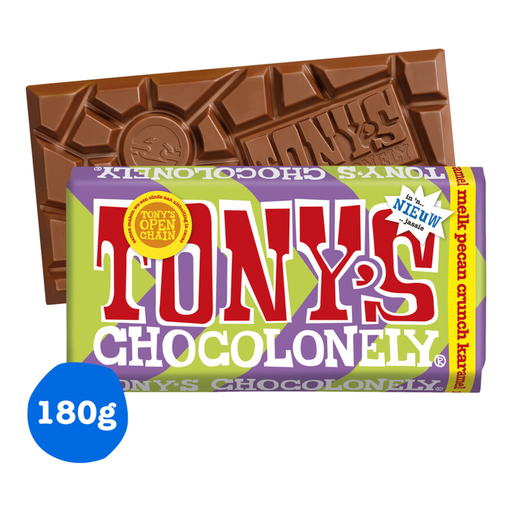 Image unavailable
A chocolate bar to assess separately from the currant buns if you’re looking for cocoa products for your Christmas shop.
Size: 180 g. Check the current packaging for the Fairtrade label and for any ingredients or allergens that are relevant to you.
No. A Fairtrade label on chocolate does not automatically apply to a separate currant bun. Fairtrade International’s cocoa standard applies to cocoa and processed cocoa; check the packaging of each product separately.
You can’t assume that. According to the Netherlands Nutrition Centre, baker’s salt is not compulsory in bread. Check the ingredients list for the currant buns you choose to see whether they contain baker’s salt or iodised salt.
Read the full allergen information on the packaging you choose, including any warnings about traces. The varieties described by Jumbo and PLUS list ingredients including wheat or gluten and milk, but that product information does not apply to all currant buns.
It depends on the instructions for the variety you choose. PLUS says to freeze its described currant buns on the day of purchase and use them within one month; for other packs, follow their own storage and freezing instructions.