Choose chocolate biscuits for your food shop based on a specific Fairtrade cocoa claim or the Fairtrade mark, not just the word ‘fair’. According to Fairtrade International, the cocoa in Verkade products is Fairtrade. If you’re also looking for organic ingredients, check for that claim separately. Always read the latest ingredients and allergen information for each variety: a Fairtrade claim alone tells you nothing about these.
Who are these choices relevant to?
Shoppers looking to identify Fairtrade cocoa
You’re looking for chocolate biscuits with a specific Fairtrade cocoa claim. Check for the mark, and if there’s a Fairtrade logo with an arrow, read the explanation on the back of the pack too. Fairtrade International explains that this tells you which ingredients the claim applies to.
Shoppers looking for both organic and Fairtrade
You want to see both an organic label and an explicit Fairtrade claim for the ingredients. Check for each separately: organic doesn’t automatically mean Fairtrade, and vice versa.
Shoppers with allergies or strict ingredient requirements
For you, the ingredients list and warnings about possible cross-contamination come before the Fairtrade choice. Read the current packaging, or ask the seller which allergens are present if you’re buying loose biscuits.
What should you look for when choosing?
If you have an allergy, check the ingredients and allergen information first. Then look at which Fairtrade claim suits your preferences and whether you’re also looking for an organic product.
| What to look for |
What to check when buying |
Who it matters to |
| Fairtrade cocoa claim |
Look for the Fairtrade mark or a specific mention of cocoa; if there’s a logo with an arrow, read the explanation on the packaging. |
I want to be able to see whether the cocoa in my chocolate biscuits is covered by the Fairtrade claim. For around 46% of consumers, having a claim they can verify comes first. |
| Organic and Fairtrade |
Check the organic label and the Fairtrade claim for the named ingredients separately. |
If I’m looking for both, the words ‘organic’ or ‘fair’ alone aren’t enough. Around 36% of consumers give this combination top priority. |
| Ingredients and allergens |
Read the current ingredients list and allergen warnings; ask for allergen information if you’re buying loose biscuits. |
If I have an allergy, I need to be able to check whether a biscuit is suitable for me first. This is the main concern for around 18% of consumers making this choice. |
Common mistakes
-
Assuming ‘fair’ in the name means there’s a Fairtrade claim
A general product name doesn’t tell you which ingredients have been sourced under Fairtrade conditions.
Look for the mark or a specific claim about an ingredient. For biscuits with several ingredients, also read the explanation on the back, as Fairtrade International advises when a logo has an arrow.
-
Assuming Fairtrade cocoa is always kept physically separate
Fairtrade International explains that mass balance may be used for cocoa: Fairtrade and non-Fairtrade quantities can be mixed during processing, while the volumes are tracked.
If physical separation is essential to you, check the specific traceability information on the packaging before choosing.
-
Overlooking allergens because of the Fairtrade claim
A claim about cocoa doesn’t change the ingredients or any warnings about possible cross-contamination in the biscuit.
If you have an allergy, check the current packaging first. Then decide whether the Fairtrade claim meets your requirements.
-
Assuming a seasonal product is always available
ALDI listed Winter Kransen with Fairtrade cocoa as a winter product. Jumbo listed the Bio+ example mentioned here as no longer available in its online range.
Before you shop, check whether the specific biscuit is available from the shop or market stall where you plan to buy it, and read the current packaging there.
Brands and ranges to consider
Verkade
Chocolate biscuits where a Fairtrade cocoa claim may be an important factor in your choice.
- Fairtrade International says that all the cocoa in Verkade products is Fairtrade. Albert Heijn lists Fairtrade cocoa in Verkade Lange Nekken milk chocolate.
- Check the current ingredients, allergens and packaging information for each variety; details for Lange Nekken don’t automatically apply to other biscuits.
Bio+
An example to consider when comparing an organic label with a specific Fairtrade ingredient claim.
- Jumbo listed organic ingredients for Bio+ Fair Chocolade Koekjes and stated that the dark chocolate and cane sugar were traded under Fairtrade conditions.
- Jumbo listed this product as no longer available in its online range. Check the packaging if it’s offered, and confirm availability at your chosen shop.
ALDI
A supermarket range that may include limited-edition biscuit options made with Fairtrade cocoa.
- ALDI listed Winter Kransen with chocolate flavour and Fairtrade cocoa.
- Don’t treat these winter biscuits as a regular option. When buying, check the packaging, including the ingredients and allergen information.
Biscuits at Joybuy
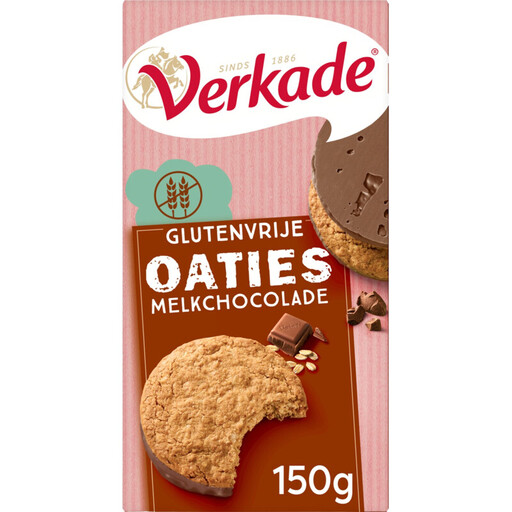
This Verkade milk chocolate biscuit may suit you if you’re looking for biscuits made with Fairtrade cocoa. Fairtrade International describes the cocoa in Verkade products as Fairtrade; check how the claim is shown on the packaging for this variety.
 No image available
Verkade Gv Oaties Milk Chocolate, 150 g
A milk chocolate biscuit for anyone specifically looking for Verkade’s Fairtrade cocoa claim. The pack contains 150 g; if you have allergies, check the current information about milk, oats, soya and possible traces of nuts.
View at Joybuy
Frequently asked questions
How can I identify a Fairtrade claim on chocolate biscuits?
Look for the Fairtrade mark or a specific mention of Fairtrade cocoa. If there’s a logo with an arrow, Fairtrade International advises reading the back of the pack for information about the ingredients covered and how they were sourced.
Can Fairtrade cocoa in a biscuit always be physically traced?
No, that isn’t guaranteed by the Fairtrade claim alone. Fairtrade International allows mass balance for cocoa, which means quantities may be mixed during processing. Check the packaging for further information if physical separation matters to you.
Should I check the allergens again if I’ve bought the same biscuit before?
Yes. If you have an allergy, read the packaging of the biscuit you’re actually buying. Check both the ingredients and any warnings about possible cross-contamination, even if you recognise the product name.
Can I ask about allergens in loose biscuits?
Yes. According to the Netherlands Food and Consumer Product Safety Authority, sellers of unpackaged foods must inform consumers about the allergens present. Before buying, ask the seller for information about the specific biscuit.


