
If you specifically want Fairtrade cocoa
You want a chocolate biscuit for a TV night and check whether the product is explicitly described as containing Fairtrade cocoa or other Fairtrade ingredients.


If you want a chocolate biscuit made with Fairtrade cocoa for a TV night, check the information for the specific product before choosing. Albert Heijn mentions Fairtrade cocoa for Verkade Lange Nekken, but a general cocoa policy or a different certification does not prove that every biscuit is Fairtrade. Also check the ingredients, allergens and portion size.
You want a chocolate biscuit for a TV night and check whether the product is explicitly described as containing Fairtrade cocoa or other Fairtrade ingredients.
Choose based on flavour, texture and packaging that suits the number of people around the table. Then compare any Fairtrade information and the portion size.
Read the current label before buying, including the allergen information and any warnings about possible traces. A Fairtrade claim is no substitute for checking the label.
If Fairtrade is essential, start with the biscuit itself and check which ingredients the claim applies to. Then compare the packaging and nutritional information for your snack. If you have a relevant allergy, always check the current label first.
| What to consider | What to check before buying | Who it matters to |
|---|---|---|
| Fairtrade claim | Look for Fairtrade cocoa or named Fairtrade ingredients on the specific biscuit, and check which ingredients the claim covers. | If I specifically want Fairtrade cocoa, a general sustainability claim isn’t enough. Around 36% of consumers prioritise a Fairtrade claim on the specific product. |
| Flavour and sharing | Check the product description, the number of biscuits and whether the pack is divided into smaller portions. | When there are several of us watching TV, I want biscuits that suit our tastes and are easy to share. For around 29% of consumers, flavour and shareability matter most. |
| Portion size and nutritional value | Check the quantity in the pack and compare the nutritional information per 100 g and, if provided, per portion. | I want to know how much I’m putting out and how much sugar and fat a portion contains. This is the main consideration for around 21% of consumers. |
| Allergens | Check the current ingredients list and any warnings about possible traces. | If I have a relevant allergy, I first need to assess whether the biscuit is suitable for me. Around 14% of consumers prioritise this check. |
Albert Heijn and ALDI list several possible certifications for their own-brand cocoa. Their policies don’t tell you which certification appears on the biscuit you want to buy.
If Fairtrade is a requirement for you, look for it on the packaging or product page of that specific biscuit.
Jumbo says that the dark chocolate and cane sugar in Bio+ Fair Chocolade Koekjes are traded according to Fairtrade terms, and together make up 47% of the product. This claim applies to the named ingredients.
Check which ingredients the claim covers and decide whether that matches what you’re looking for.
A Fairtrade claim for cocoa doesn’t tell you how much sugar or fat a biscuit contains. According to Albert Heijn’s product information, Verkade Lange Nekken contains 493 kcal, 39 g of sugars and 12 g of saturated fat per 100 g.
Compare the nutritional information and the amount you plan to serve separately from the Fairtrade claim.
A certification doesn’t change a biscuit’s ingredients or allergens. The Netherlands Food and Consumer Product Safety Authority stresses that allergens must be clearly stated on the label.
Check the current ingredients list and any warnings about possible traces every time you buy.
Verkade Lange Nekken is an example of a chocolate biscuit for which Fairtrade cocoa is mentioned on the product information.
Bio+ Fair Chocolade Koekjes show how a Fairtrade claim can apply to specific ingredients.
Its cocoa policy for own-brand products is a starting point, not confirmation that an individual biscuit is Fairtrade.
Way To Go is worth considering if you want to serve Fairtrade chocolate alongside biscuits.
At ALDI, the cocoa policy can help you know what to look for on the label of an own-brand product.
Biscoff may suit your taste, but the cocoa certification mentioned doesn’t make it a Fairtrade option.
At Jumbo, you can check each product to see whether a chocolate biscuit has a specific Fairtrade claim.
This selection features biscuit sticks for a TV night. If Fairtrade cocoa is essential for you, check the claim on the current packaging of this product before deciding.
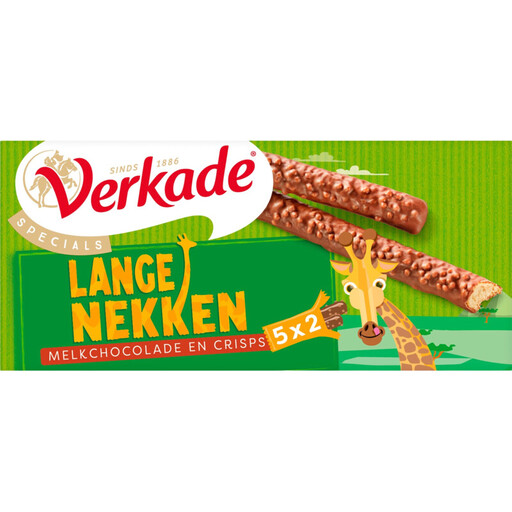 Image unavailable
A pack of biscuit sticks to put out or share while you watch TV.
The product name states that the pack contains 10 pieces. When buying, check the current Fairtrade claim, ingredients and allergens for this product.
Look for a Fairtrade claim on the packaging or product page of the specific biscuit, and check which ingredients it covers. A shop policy listing several possible certifications doesn’t confirm that the product you choose is Fairtrade. For example, Jumbo names dark chocolate and cane sugar as the relevant ingredients in Bio+ Fair Chocolade Koekjes, together making up 47% of the product.
No, they are different certifications. Lotus Bakeries mentions Rainforest Alliance certification for cocoa ingredients in certain product ranges. If you specifically want Fairtrade cocoa, that claim needs to appear on the product you choose.
Check the number of biscuits or the weight you plan to serve, then read the nutritional information per 100 g and, if provided, per portion. This lets you assess the amount of sugar and fat without assuming that a Fairtrade claim says anything about nutritional value.
Yes. If you need to watch out for allergens, use the current label every time you buy. Check the ingredients list and any warnings about possible traces, even if you recognise the product name.
No, check the current product page before relying on it. Jumbo says the Bio+ Fair Chocolade Koekjes discussed here are no longer in its online range. The rest of its chocolate biscuit range tells you nothing about the availability of that particular variety.