What should you look for when choosing?
Distinguish between a chocolate biscuit as a planned snack and food or drink for a long run. The Netherlands Nutrition Centre advises against large portions and foods high in fat, protein or fibre just before exercise; on longer runs, carbohydrates and fluids need separate consideration.
| What to consider |
What to check when buying |
Who it matters to |
| Timing and stomach comfort |
Check the fat content per 100 g and per portion. Consider how soon before your run you want to eat the biscuit. |
If I’m running shortly after a snack, I want to avoid a large or high-fat portion sitting uncomfortably. Around 42% of consumers put timing and stomach comfort first. |
| Fairtrade cocoa |
Check the FAIRTRADE mark and claim on the pack. If there’s an arrow next to the mark, read the explanation on the back too. |
If you want to choose cocoa produced under Fairtrade conditions, you need to see the claim on the product you’ve chosen. For around 33% of consumers, checking this is the first priority. |
| A portion to take with you |
Compare the weight of each biscuit or portion with the nutrition information per portion, and check whether the packaging suits your plans. |
If I want to take a snack with me, it’s not just the amount per 100 g that matters, but also how much I’ll actually eat and whether solid food will be comfortable on the go. For around 25% of consumers, portion size is the main concern. |
Relevant brands to compare
A brand can be a useful starting point, but always check the Fairtrade claims and nutrition information for the specific chocolate biscuit you’re considering.
Verkade
Verkade describes Choco Wolken as a biscuit with a chocolate filling and Fairtrade cocoa.
- Verkade publishes ingredients and nutrition information for Choco Wolken, including 53,9 g of carbohydrates, 45,6 g of sugars and 31,4 g of fat per 100 g.
- These product details apply to Choco Wolken, not automatically to other Verkade biscuits. The fat content is worth considering if you plan to run soon after eating one.
Lotus Biscoff
Lotus Speculoos met Chocolade is a separate chocolate biscuit to assess based on its ingredients and portion size.
- Lotus Bakeries lists 68,2 g of carbohydrates and 22 g of fat per 100 g for this product.
- If you’re specifically looking for Fairtrade, check the certification mark on the pack you choose; the product name doesn’t confirm this.
Albert Heijn
Albert Heijn is one place to look for chocolate biscuits and individual Fairtrade chocolate products.
- Product listings can help you compare the ingredients and nutrition information for a biscuit you’re considering.
- A Fairtrade claim on a chocolate product doesn’t confirm that a separate chocolate biscuit carries the same certification mark. Check the pack you’re buying.
Jumbo
Jumbo has a chocolate biscuits category that can be a starting point for comparing products.
- In this category, you can check the type of biscuit, ingredients and nutrition information for each pack you’re considering.
- A category page doesn’t confirm Fairtrade status for every chocolate biscuit. You’ll need a product-specific certification mark for that.
Lidl
Lidl describes its cocoa sourcing policy for own-brand products as using various certifications.
- Lidl says that cocoa in its own-brand products may be certified Fairtrade, Rainforest Alliance or organic.
- These certifications aren’t interchangeable. Check the specific chocolate biscuit to see which claim applies.
ALDI
ALDI mentions Fairtrade chocolate in its product information, alongside other products carrying a Fairtrade claim.
- The product information can be a starting point if Fairtrade is a condition of your purchase.
- A mention of Fairtrade chocolate doesn’t mean that every ALDI biscuit or wafer is Fairtrade. Check the pack you choose.
Chocolate biscuits for a planned snack
These Verkade biscuits may suit you if you’re planning a chocolate snack away from your run. If you’re specifically looking for Fairtrade chocolate, check the certification mark on the pack. If you’re planning to eat one around a training session, consider your portion size and timing too.
 No image available
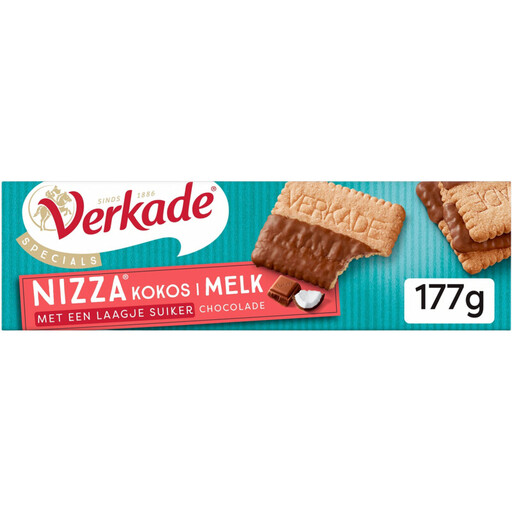
Verkade Nizza Coconut with milk chocolate and sugar coating – 177 g
Worth considering as a planned chocolate snack away from your run.
177 g pack. Check the Fairtrade claim and nutrition information per portion on the pack before planning to eat the biscuit around a training session.
View at Joybuy
 No image available
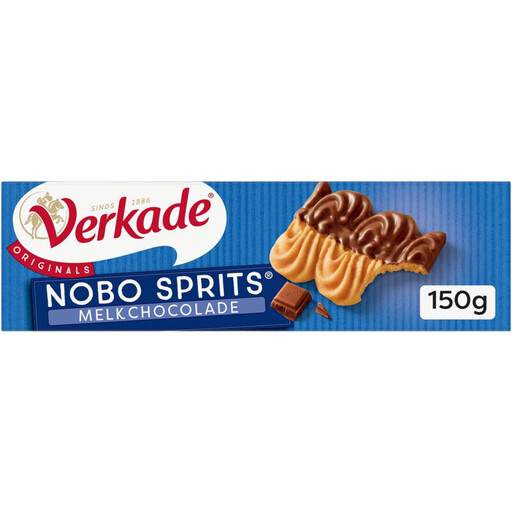
Verkade Nobo Spritzed with milk chocolate – 150 g
Worth considering as a planned chocolate snack away from your run.
150 g pack. Check the Fairtrade claim and nutrition information per portion on the pack before planning to eat the biscuit around a training session.
View at Joybuy
Frequently asked questions
Can I eat a chocolate biscuit just before running?
A small portion may work for you, but don’t automatically make a chocolate biscuit your snack just before setting off. The Netherlands Nutrition Centre advises against large portions and foods high in fat, protein or fibre just before exercise; try your chosen amount during a regular training session first.
Is a chocolate biscuit practical during a long run?
That depends, among other things, on the portion size and whether you’re comfortable eating solid food while running. For longer runs, the Netherlands Nutrition Centre discusses topping up carbohydrates and fluids, and mentions isotonic sports drinks as an option if eating on the go is difficult. Try your choice during training first.
How can I check whether the cocoa in a chocolate biscuit is Fairtrade?
Look for the FAIRTRADE mark and accompanying claim on the biscuit’s packaging. Fairtrade International allows mass balance for cocoa: Fairtrade volumes are tracked, but the cocoa doesn’t have to remain physically separate at every stage. An arrow next to the mark points to further information on the pack.
Should I check the allergens again, even for a chocolate biscuit I know?
Yes, read the allergen information on the pack you’re buying. The Netherlands Food and Consumer Product Safety Authority says this information must appear on the label of pre-packed products; don’t rely solely on a previous purchase or an online product description.
Does a Fairtrade mark tell me whether a product is suitable for marathon training?
No, assess the certification mark and how you’ll use the product around training separately. A Fairtrade claim relates to the applicable trading and sourcing conditions; for your snack choice, portion size, nutrition information, timing and your own experience during training also matter.


