
Home baker who looks for Fairtrade
You want to know what the Fairtrade mark on chocolate or cocoa means, and what information to look for on the packaging.


For cookies, choose cocoa powder if you want to mix it into the dough, or a chocolate bar if you want to add chunks. For both, check the Fairtrade mark and the information on the packaging, and make sure the ingredients and allergens are suitable for your recipe. Traditional currant buns are yeasted rolls; chocolate is an optional variation, not a basic ingredient.
You want to know what the Fairtrade mark on chocolate or cocoa means, and what information to look for on the packaging.
You’re choosing between powder to mix into the dough and a bar to break into chunks. Ingredients and allergens are also important when making that choice.
You want to get the yeast dough, fruit and proving time right first. Chocolate is only worth considering if you’re deliberately adapting a traditional recipe.
First decide whether you’re baking cookies or currant buns. Then choose the right form of chocolate or cocoa, and check the packaging of the product you plan to use.
| What to look for | What to check before buying | Who it matters to |
|---|---|---|
| Fairtrade mark | Look for the certification mark and, if it has an arrow, read the information about ingredients and sourcing on the packaging. | I want to understand what the Fairtrade mark on my baking chocolate applies to; for around 45% of consumers, checking the certification comes first. |
| The right baking ingredient | Choose powder to mix into the dough or a bar to break into chunks; check the ingredients and allergens too. | When I bake chocolate cookies, choosing a form that suits my recipe matters most; for around 33% of consumers, the recipe is the priority. |
| Currant bun dough | Check the ingredients and follow the kneading and proving steps in your currant bun recipe before adding anything extra. | I want to make sure my currant bun dough rises properly first, even if I add chocolate later; around 22% of consumers put this preparation first. |
According to Fairtrade International, a FAIRTRADE mark with an arrow points to further information on the back of the packaging, including details about the ingredients and how they were sourced.
Check the mark on the product itself and read the explanation before deciding whether it matches what you’re looking for.
The currant bun recipes from Allerhande and Koopmans use yeast dough that needs to be kneaded and left to rise. Chocolate doesn’t replace these steps.
Choose a currant bun recipe first, then treat chocolate as an optional addition.
Albert Heijn warns in its product information that ingredients and allergens can change. This is especially important if you’re baking for someone with an allergy.
Check the allergen information on the current packaging when you buy the product.
The Netherlands Food and Consumer Product Safety Authority sets out conditions for iodine compounds in bread and other bakery products. The stated limit for baker’s salt isn’t a quantity to use in a home recipe.
Follow your chosen recipe for the amount of salt to add to the dough, rather than using that limit.
A shop where you can check the mark on a specific chocolate bar alongside a currant bun recipe.
A shop where you can look for Fairtrade chocolate alongside your other baking ingredients.
A shop where you can check the Fairtrade mark on a specific chocolate product for yourself.
This selection includes cocoa powder and chocolate bars to consider for cookies or a chocolate twist on currant buns. Chocolate isn’t needed for traditional currant buns; check the current Fairtrade mark and allergen information on the packaging of any product you choose.
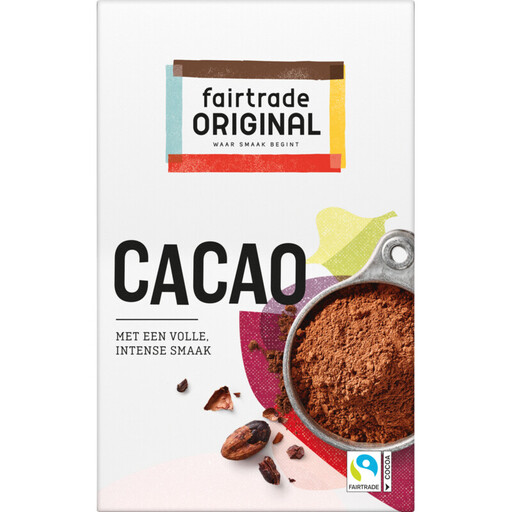 Image unavailable
Consider this cocoa powder if you want to mix powder into cookie dough instead of adding chocolate chunks.
Check the packaging to see which Fairtrade mark the product carries, and read the ingredient and allergen information.
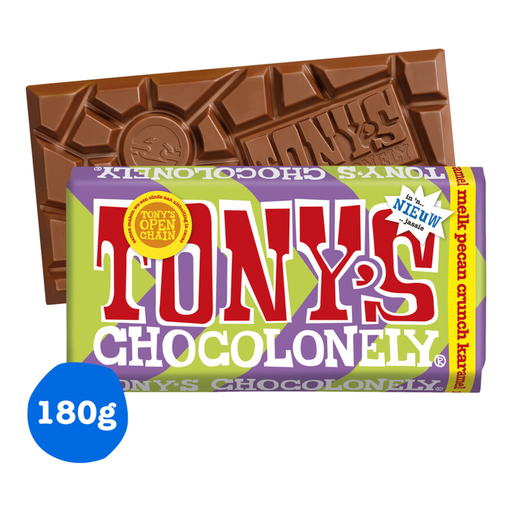 Image unavailable
A bar is worth considering if you want to add chocolate chunks to cookies or a variation on currant buns.
Check the Fairtrade mark and allergen information on the packaging. If you want the chunks to hold their shape during baking, check whether this bar is suitable for your recipe.
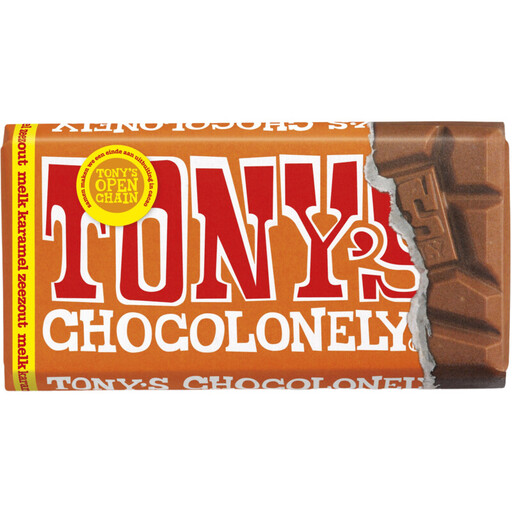 Image unavailable
Consider this bar if you want to add chunks of milk chocolate with caramel and sea salt to a baking recipe.
Read the current Fairtrade and allergen information on the packaging. Before using it, check that it will bake to the texture you want.
First, check whether the mark has an arrow. Fairtrade International says that if the mark has an arrow, you’ll find more information on the back of the packaging about the ingredients and how they were sourced; this may also refer to mass balance.
Yes, as a variation on a currant bun recipe, but chocolate isn’t part of the basic recipes from Allerhande and Koopmans. Follow their instructions for making the yeast dough first, and check the ingredients and allergens in the chocolate.
The limit for iodine in baker’s salt isn’t a dosage for homemade currant buns. The Netherlands Food and Consumer Product Safety Authority states that iodine compounds may only be present in bread, bread substitutes and other bakery products via baker’s salt, at a maximum of 65 mg of iodine per kg of salt.
Because the information on a product page and a product’s ingredients can change. Albert Heijn warns about this in its chocolate product information, so always check the current packaging, especially if you’re baking for someone with an allergy.