
Office buyer with a Fairtrade requirement
Wants to be able to check the label on the chosen chocolate product. If chocolate is a must, distinguishing between anise sprinkles and chocolate strands helps you choose the right product category first.


If you’re looking for Fairtrade chocolate for the office, don’t choose based on the name ‘crushed muisjes’: the De Ruijter product described by Albert Heijn is an anise product with no cocoa in its ingredients list. Fairtrade Original chocolate strands are a better match if you’re looking for a chocolate topping. Choose between dark and milk chocolate to suit your taste, and check the Fairtrade information and allergens on the current packaging. Crushed anise sprinkles are still an option if anise is what you’re after.
Wants to be able to check the label on the chosen chocolate product. If chocolate is a must, distinguishing between anise sprinkles and chocolate strands helps you choose the right product category first.
Looking for something to put on bread or use as a topping, and deciding between anise, dark chocolate and milk chocolate. Taste determines the category; you’ll then need to check each product for its Fairtrade information.
Wants to keep the packaging available for colleagues. The dark chocolate strands described may contain milk, the milk chocolate version contains milk, and the crushed anise sprinkles described contain wheat.
First decide whether the office wants chocolate or anise sprinkles. Then compare the taste and how you plan to use them, and check the current packaging before sharing.
Choose these when: you want an anise flavour for an office celebration.
Bear in mind: the De Ruijter product described by Albert Heijn is not a chocolate product and contains wheat.
Choose these when: chocolate as a topping is the priority and you want to check the Fairtrade information on the version you choose.
Bear in mind: the dark chocolate version may contain milk; the milk chocolate version contains milk as an ingredient, according to the product information at Albert Heijn.
| What to consider | What to check when buying | Who it matters to |
|---|---|---|
| Fairtrade chocolate | Check that cocoa is listed in the ingredients and look for the Fairtrade information on the specific product. Fairtrade Nederland advises checking the explanation on the back of the packaging too if the logo has an arrow. | If both chocolate and Fairtrade are requirements, I want to be able to check both on the same product. This check is a priority for around 50% of consumers. |
| Taste and use | Choose between anise, dark chocolate and milk chocolate, then compare the pack size and how you intend to use the product as a topping. | For a shared office supply, I want to choose a flavour that suits the occasion. Taste and versatility matter most to around 30% of consumers. |
| Allergens | Read the current label, including any warnings about the possible presence of allergens. The Netherlands Food and Consumer Product Safety Authority notes that allergen information for pre-packed products must appear on the label. | When colleagues are sharing a product, I want to be able to tell them which allergens are listed. This information is the main concern for around 20% of consumers. |
If you’re expecting chocolate, you could end up choosing the wrong category. Albert Heijn describes De Ruijter crushed muisjes as crushed, sugared anise seeds; cocoa does not appear in the ingredients list provided.
Check separately whether a product contains cocoa and whether the product you choose carries Fairtrade information.
The product information at Albert Heijn states that Fairtrade Original Dark Chocolate Strands may contain milk. The milk chocolate version contains milk as an ingredient.
If you have a milk allergy, don’t rely on the flavour name. Check the current label with the person the product is intended for.
Ingredients, allergen statements and certification information can change. A brand name alone also doesn’t tell you which information appears on a specific version.
When restocking the office cupboard, check the packaging again, including the ingredients, allergens, Fairtrade explanation and best-before date.
A relevant choice if you’re comparing dark and milk chocolate strands and want chocolate with Fairtrade information you can check.
A relevant choice if you’re looking for crushed anise sprinkles, but not a direct alternative to Fairtrade chocolate.
The retailer’s product information makes it possible to compare the anise sprinkles and chocolate strand varieties described here by their ingredients and allergens.
If you want to offer Fairtrade chocolate but don’t need a topping, you could also consider a chocolate bar. Check the Fairtrade information and allergens on the packaging before buying.
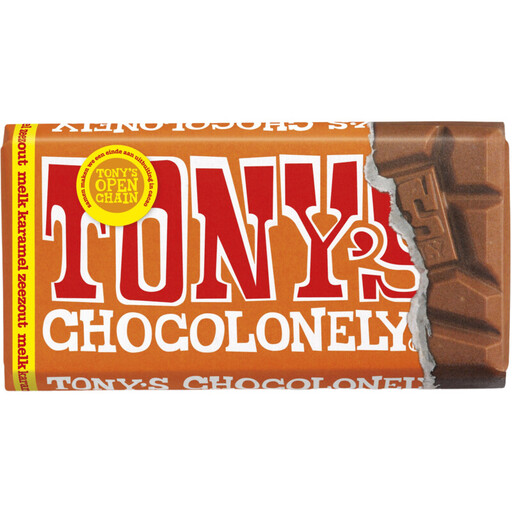 Image unavailable
An option if you’re looking for a chocolate bar with caramel and sea salt for the office instead of chocolate strands or anise sprinkles.
The product name specifies milk chocolate and a pack size of 90 g. Check the current packaging for Fairtrade information and allergens before sharing the bar.
The De Ruijter crushed muisjes described by Albert Heijn are not chocolate: they are crushed, sugared anise seeds, and cocoa does not appear in the ingredients list provided. Choose a chocolate product if cocoa is a requirement.
Check the information on the specific product, not just the brand name. Fairtrade Nederland advises reading the explanation on the back of the packaging if a Fairtrade logo has an arrow, as it provides information about the ingredients and sourcing.
Don’t assume so: according to the product information at Albert Heijn, these dark chocolate strands may contain milk. The milk chocolate version contains milk as an ingredient. If you have an allergy, always read the current packaging.
Voedingscentrum recommends storing opened chocolate strands in a kitchen cupboard for up to one year. Also check the best-before date and storage instructions on the packaging.
Keep the packaging available so colleagues can read the allergen information for themselves. According to the Netherlands Food and Consumer Product Safety Authority, allergen information for pre-packed products must appear on the label.