For a walk, choose a biscuit with a Fairtrade statement on the specific product, and check which ingredients it applies to. Then make sure the portion size, packaging and storage instructions work for taking it with you. Fairtrade says nothing about nutritional value or suitability for people with allergies, so check the current label for that information.
Who is this choice important for?
Walkers who want to spot Fairtrade on the product
You want to know whether the statement applies to the biscuit you’re buying, and which ingredients it covers. Look for the FAIRTRADE Mark or a statement about specific ingredients on the packaging. If there’s a mark with an arrow, Fairtrade International directs you to further information about the ingredients and sourcing method.
Walkers who want biscuits that are easy to take along
You want to be able to work out in advance how much to pack and how to store the biscuits after opening. Check the pack weight, portion information and storage advice for the product you’ve chosen.
Walkers who need to check ingredients carefully
A Fairtrade statement is no substitute for the ingredients list. If you have allergies or dietary restrictions, read the allergen information on the packaging of the exact variety you plan to take with you.
What should you look for when choosing?
Start with the Fairtrade statement on the specific biscuit. Then consider whether the packaging is suitable for taking with you, and check the nutritional information and allergens on the label.
| What to consider |
What to check before buying |
Who it matters to |
| Fairtrade ingredients |
Look for a statement on the product itself. If there’s a FAIRTRADE Mark with an arrow, check which ingredients and sourcing method it refers to. |
If Fairtrade is the reason for my choice, I don’t want to rely on a general promise from a brand or shop. Around 45% of consumers prioritise ingredients that are demonstrably Fairtrade. |
| Taking it along and storing it |
Check the pack weight, portion information and storage advice for after opening. |
When I’m out and about, I want to take an amount that suits my walk without having to guess how to store it. For around 33% of consumers, this is their main concern. |
| Nutritional information and allergens |
Compare the nutritional values per 100 g and, if provided, per portion. Read the ingredients and allergen warnings on the packaging. |
When ingredients are a deciding factor for me, I need to be able to check the label before eating the biscuit. Around 22% of consumers prioritise these checks. |
Common mistakes
-
Mistaking a general sustainability claim for Fairtrade on the biscuit
A brand may use different certifications for different products. A statement about cocoa across a range doesn’t confirm that the biscuit in your hand carries a Fairtrade statement.
Check the label of the variety you’ve chosen. If there’s a FAIRTRADE Mark with an arrow, also read the explanation about the ingredients it covers.
-
Confusing Fairtrade with nutritional or allergen information
A Fairtrade statement won’t tell you how much sugar or fat the biscuit contains, and it says nothing about allergens. For example, Albert Heijn lists milk and wheat for Verkade Chocorondjes milk chocolate, along with warnings about the possible presence of other allergens.
Read the current ingredients list, nutritional information and allergen warnings for the product you’re buying.
-
Treating a product example as a reliable option to buy
Jumbo says that Bio+ Fair Chocolate Biscuits are no longer part of its online range. ALDI presents Winter Kransen as seasonal winter biscuits. So both are examples of what to look for on a label, rather than obvious choices for every walk.
Before buying, check the current range and the packaging of any alternative product.
Brands as reference points
The examples below show why you should check Fairtrade status for each product: a statement about one biscuit or ingredient doesn’t automatically apply to an entire brand.
Verkade
Albert Heijn lists Fairtrade cocoa and Fairtrade milk chocolate for Verkade Chocorondjes milk chocolate.
- The product page gives a pack size of 150 g and provides information about ingredients and storage.
- This example is about Chocorondjes, not all Verkade biscuits. Also check the allergens on the packaging when buying.
Bio+
For Bio+ Fair Chocolate Biscuits, Jumbo says that the dark chocolate and cane sugar were traded under Fairtrade conditions.
- According to the product listing, these ingredients make up 47% of the biscuit.
- Jumbo says this product is no longer part of its online range, so check separately for a current option to buy.
Lotus Biscoff
Lotus Biscoff is an option for taking along, but Lotus Bakeries’ sustainability information about certain chocolate products doesn’t confirm Fairtrade status for a standard Biscoff biscuit.
- The product name and the separate certification statement are easy to distinguish when reading a label.
- Lotus Bakeries mentions Rainforest Alliance certification for chocolate ingredients in certain other product ranges; this isn’t a Fairtrade statement for Biscoff biscuits.
ALDI
ALDI lists Fairtrade cocoa for Winter Kransen with chocolate flavour.
- This is a specific example of a cocoa statement at product level.
- ALDI presents it as a winter product. If you’re buying it now, check both availability and the label.
Lidl
For its own-brand cocoa, Lidl lists several certification routes, including Fairtrade, Rainforest Alliance and organic.
- Understanding the differences between these routes helps when reading a specific product statement.
- The general cocoa policy doesn’t confirm that every Lidl biscuit contains Fairtrade ingredients.
Biscuits on Joybuy
These Verkade milk chocolate biscuits are worth considering if you’re looking for something to take along. For each product, check the current packaging for the exact Fairtrade statement, allergens, and information about storage and portioning.
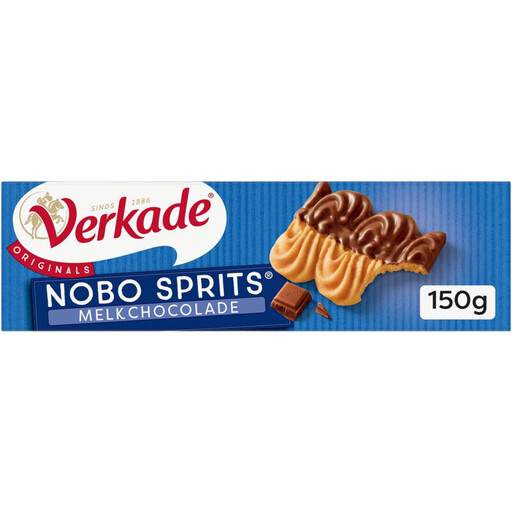 Image unavailable
Verkade Nobo Spritzed Milk Chocolate 150 g
A milk chocolate biscuit to consider if you’re looking for a 150 g pack to take on a walk.
Check the label to see which ingredients are covered by a Fairtrade statement, and whether the packaging makes it easy to portion the biscuits out while you’re out and about.
View on Joybuy
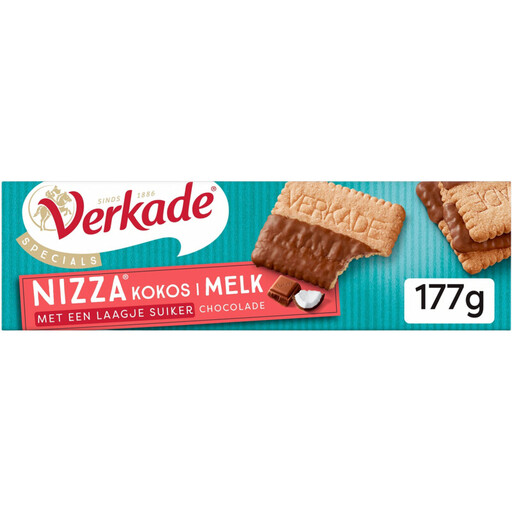 Image unavailable
Verkade Nizza Coconut with Milk Chocolate and Sugar Layer 177 g
A biscuit with coconut, milk chocolate and a sugar layer to consider if you’d like to take a 177 g pack with you.
Before buying, read the Fairtrade statement and allergen information on the packaging. Also check how to store the biscuits after opening.
View on Joybuy
Frequently asked questions
Are all the ingredients in a Fairtrade biscuit Fairtrade?
No, that isn’t automatically the case. For a composite product such as a biscuit, Fairtrade International says that a FAIRTRADE Mark with an arrow directs you to information on the back of the packaging about the ingredients covered and the sourcing method.
What should I check if I want to take biscuits on a walk?
First, check that the Fairtrade statement applies to the specific biscuit. Then look at the pack weight, portion information and storage advice. For example, Albert Heijn lists a 150 g pack of Verkade Chocorondjes milk chocolate and advises storing it in a cool, dry place and keeping it sealed after opening. Check these details again for the variety you’re buying.
Where can I find allergen information for a pre-packed biscuit?
Read the ingredients list on the packaging. The Netherlands Food and Consumer Product Safety Authority says allergens must be clearly indicated there. Also check the specific product for any warnings about the possible presence of other allergens.
Can I use an old product page to help me choose?
At most, use an old page to see what questions to ask when buying. Ingredients and nutritional information can change, and a product may be discontinued. So check the current packaging and availability before choosing a biscuit for your walk.


