
Vandaag of morgen in huis

Kwaliteit gegarandeerd

Welkomstaanbiedingen ontgrendelen: GRATIS bezorging | Tot 80% korting | Gratis 30 dagen JoyPlus-proefperiode
Download de app
A facial serum can be a targeted addition to your daily skincare routine. However, it’s not a good idea to choose one based solely on claims such as “glow”, “glass skin” or “intensive care”. The right choice depends on your skin type, the ingredients and how you plan to use the product.
There are three common pitfalls to watch out for:
Think about what you want a facial serum to do. For dry skin, the focus is usually on moisture and comfort. A serum for dry skin often contains glycerine, panthenol, beta-glucan, ceramides or hyaluronic acid.
If your skin feels red or delicate, a serum for sensitive skin with a simple formula and soothing ingredients may be a better fit. Centella asiatica, allantoin and panthenol are commonly found in these formulas. Also check whether it contains fragrance if you’d rather avoid it.
For oily or blemish-prone skin, look for a lightweight texture and ingredients such as zinc PCA or azelaic acid. A serum for blemish-prone skin isn’t a medicine. Stop using it if irritation persists, and ask a dermatologist for advice if needed.
The order of ingredients on the packaging gives you a useful indication of the formula. Don’t just look at the name on the front; check for:
Always check the latest INCI list on the packaging. Manufacturers may change the ingredients.
A serum is usually applied after cleansing and, if you use one, toning. A few drops are often enough, followed by a moisturiser. If you use the product during the day, add a sun protection product in line with the directions for use.
Also check the shelf life, batch number and period after opening, for example 12M. Store the bottle somewhere cool and out of direct sunlight. A pump bottle limits contact with air and fingers; a dropper needs a little more care to keep it hygienic. If the formula contains active ingredients, do a patch test on a small area of skin first.
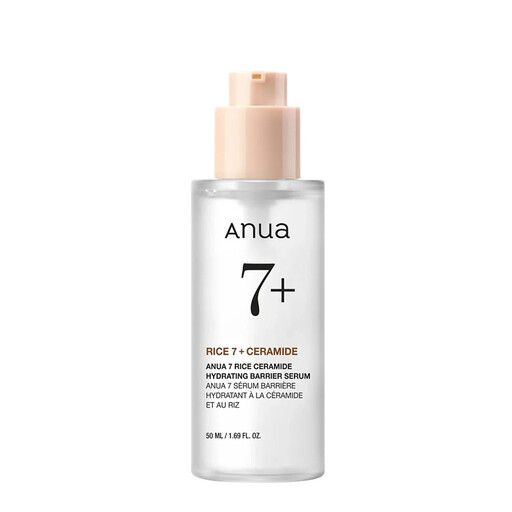
Why it suits this profile: A good fit if you want to combine hydration with care for your skin barrier, and like to use several supportive ingredients in one routine.
The product information provides a specific INCI list and recommends using 2–3 drops. If you’re sensitive to fragrance, check whether the formula contains it.
The ingredients list includes ceramide NP, panthenol, sodium hyaluronate, niacinamide and glycerine. Size: 50 ml.
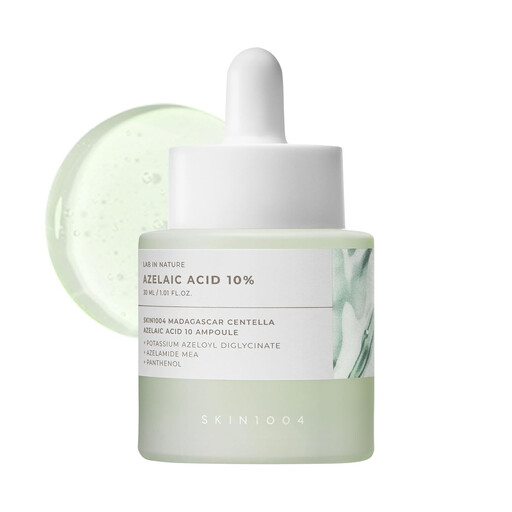
Why it suits this profile: For anyone specifically looking for a Korean facial serum with azelaic acid and a lightweight formula, suitable for skin prone to blemishes or visible redness.
According to the product description, the formula is niacinamide-free. Start by using it every other day, as the brand recommends, and increase use only if your skin tolerates it well.
According to the product information, it contains 10% azelaic acid and Centella asiatica, and comes in a 30 ml bottle. A patch test is still a good idea.
It’s best not to combine several strong active serums when you’re just starting out. This makes it easier to see which product feels right for your skin and helps you avoid a routine with too many potential irritants.
We’ve put together a complete, up-to-date list of products that meet these strict selection criteria and current European safety requirements.
Not every serum suits every skin type. A hydrating serum with glycerine or hyaluronic acid is often a sensible place to start, but fragrance, niacinamide or active acids may not suit your preferences. Check the ingredients and try a new product on a small area of skin first.
Check the use-by date and the period-after-opening symbol on the packaging. Many cosmetic products, for example, display 12M, which means they should be used within twelve months of opening. Store the serum as directed and close the packaging securely.
Many product instructions say it can be used in the morning and evening, but always follow the label for your specific product. Apply a moisturiser afterwards. If your skin feels tight, becomes red or irritated, use the serum less often or stop using it.
