
Vandaag of morgen in huis

Kwaliteit gegarandeerd

Welkomstaanbiedingen ontgrendelen: GRATIS bezorging | Tot 80% korting | Gratis 30 dagen JoyPlus-proefperiode
Download de app
A facial serum can be a practical addition to your daily routine. The texture is usually lightweight, and a formula often focuses on one main concern, such as hydration, a dull appearance, uneven skin tone or visible dry lines. Even so, it is not advisable to choose a product based solely on a prominent claim on the packaging.
The key differences lie in the ingredient list, concentration, frequency of use and suitability for your skin type. Checking these points in advance can help you avoid a disappointing purchase and means you do not have to use several serums at the same time.
A serum with lots of ingredients is not automatically more suitable. Start by considering the product’s purpose. A hyaluronic acid serum, for example, can suit dehydrated skin, while a retinol serum requires gradual introduction and extra attention to sun protection.
Also look out for potentially irritating ingredients. Fragrance, essential oils, alcohol or exfoliating acids may be less comfortable for some users. Always check the current ingredient list on the packaging, especially if you have sensitive skin or known allergies.
A brightening serum may, according to the product description, help make a dull appearance or uneven skin tone less noticeable. This does not automatically mean that pigmentation will disappear. Cosmetic products also do not work in exactly the same way for everyone.
When comparing a serum for pigmentation, ingredients such as alpha-arbutin, niacinamide or vitamin C are relevant. Use sunscreen during the day, as UV exposure can affect the visibility of discolouration. Brand claims are not a guarantee of a particular personal result.
Combining a retinol serum with several acids, exfoliants and heavily fragranced products can make your routine unnecessarily complicated. It is better to start with one new facial serum and use a small amount. For retinol products, the product information generally recommends starting two to three times a week and gradually adjusting the frequency.
Stop using the product if you experience persistent redness, itching, swelling or a burning sensation. Products containing retinol or retinal are generally not recommended during pregnancy or breastfeeding according to the accompanying safety information, unless otherwise advised by a healthcare professional.
Compare products based on specific information:
A percentage only tells you something when you also know exactly which substance it refers to. “Complex”, “boost” and “shot” are marketing terms; the ingredient list provides verifiable product information.
A gel serum feels different from an oil-based or lotion-like formula. A lightweight texture may feel more comfortable for oily or acne-prone skin. Dry skin may benefit more from a hydrating serum that you seal in with a moisturiser.
Also check the volume. Many serums contain 30 ml, while some ampoules come in smaller packages. The SKIN1004 Retinol 0.2 Boosting Shot Ampoule contains 9 ml; a Some By Mi retinol trial kit consists of a serum and eye cream, each containing 10 ml. A smaller pack can be useful if you want to introduce a formula gradually.
A serum for sensitive skin is not necessarily suitable for everyone with sensitive skin. Check whether the product is fragrance-free, which active ingredients it contains and whether a patch test is recommended.
Sun protection during the day is important when using retinol and some exfoliating formulas. Use the serum as stated on the product packaging and avoid contact with the eyes. Products containing tea tree, citrus oils or fragrance deserve extra consideration if your skin reacts easily.
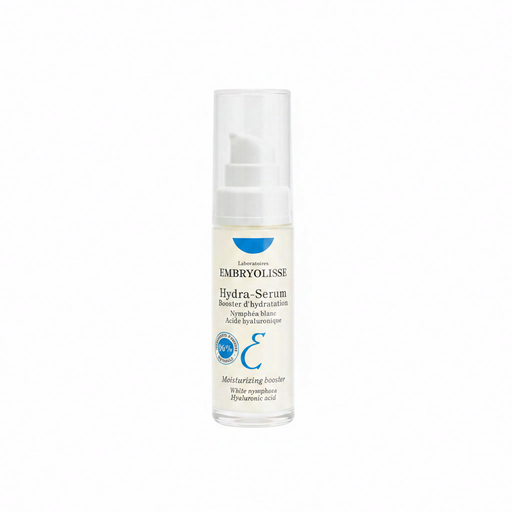
Why it suits this profile: A straightforward choice for anyone mainly looking for hydration and wanting to add a serum to their morning or evening routine. The product information lists a lightweight lotion texture and use for all skin types.
The product focuses on hydration rather than targeting several potent concerns at once. The formula contains, among other ingredients, glycerine and sodium hyaluronate; check the label for fragrance if your skin is sensitive to it.
30 ml, lightweight texture, sodium hyaluronate in the ingredient list and, according to the product information, dermatologically tested and non-comedogenic.
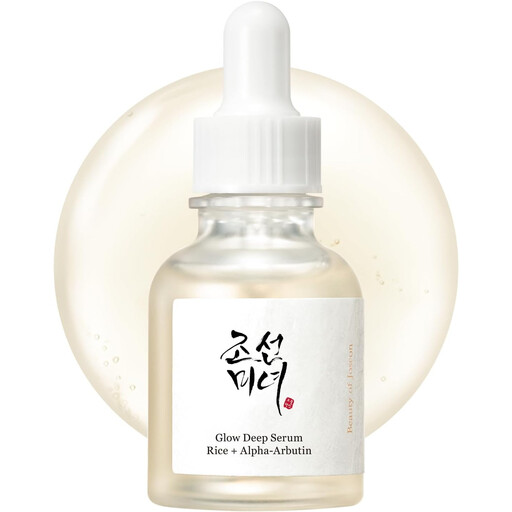
Why it suits this profile: Suitable for anyone who wants to compare a Korean formula featuring alpha-arbutin, rice bran water and niacinamide, with a particular focus on a dull or uneven complexion.
The formula lists a specific concentration of 2% alpha-arbutin. This makes it easier to assess the composition than a vague claim about “glow” or “brightening”.
30 ml, lightweight hydrating serum texture, 2% alpha-arbutin and niacinamide; according to the product information, fragrance- and alcohol-free.
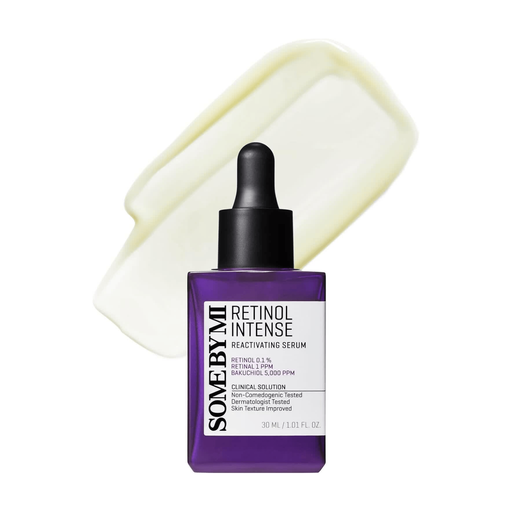
Why it suits this profile: For users who want to introduce a retinol serum with a specific goal and are prepared to adapt their routine. The formula lists 0,1% retinol, retinal, bakuchiol, panthenol and ceramide NP.
The product instructions recommend gradual introduction, a patch test and evening use. This helps prevent applying too much or using it too frequently from the outset.
30 ml, retinol concentration of 0,1% according to the product information, plus retinal, bakuchiol, panthenol and ceramide NP.
We have put together a complete, up-to-date list of products that fully meet these strict selection criteria and the applicable European safety regulations.
Apply a serum after cleansing and before moisturiser in most cases. A few drops are often enough; using more product does not automatically mean better results. Test a new formula on a small area of skin first. Use sun protection during the day when recommended in the product instructions.
If you want to target several concerns, do not add everything at once. For example, start with a hydrating serum and assess after a few weeks whether the texture and comfort suit your skin. Only then consider adding a brightening serum or retinol product.
Use the serum after cleansing and, if desired, after toner. Finish with a moisturiser. A retinol serum is generally used in the evening according to the product instructions. Sun protection is important during the day.
Check the expiry date, batch information and period-after-opening symbol on the packaging. Store the product in a cool, dry place away from direct sunlight. Retinol and vitamin C formulas can be particularly sensitive to light, air and heat, so close the packaging securely after use.
Look for a short, straightforward ingredient list and check for fragrance, alcohol, essential oils and potent active ingredients. A centella ampoule or hydrating serum may be a sensible place to start, but always carry out a patch test. Stop using the product if irritation occurs and seek medical advice if symptoms persist.
