
Vandaag of morgen in huis

Kwaliteit gegarandeerd

Welkomstaanbiedingen ontgrendelen: GRATIS bezorging | Tot 80% korting | Gratis 30 dagen JoyPlus-proefperiode
Download de app
A facial cream with SPF combines two steps in your morning routine: skincare and protection against UV radiation. That sounds simple, but the range of products varies considerably. A rich day cream with SPF 15 is not the same as a lightweight facial sunscreen with SPF 50+. Texture, fragrance, water resistance and the amount you apply also determine how well a product works in practice.
SPF mainly indicates protection against UVB radiation, which can cause redness and sunburn, among other effects. Also check whether the product states that it protects against UVA radiation. UVA plays a role in long-term exposure and skin ageing.
A facial cream with SPF 50 or SPF 50+ offers a higher stated level of protection than SPF 15 or SPF 25, but no product blocks all UV radiation. Following the instructions, applying enough product and reapplying it remain important.
A day cream with SPF 15 may be suitable for everyday use indoors or on days with limited exposure outdoors. For cycling, walking, sitting outside or holidays, a product with higher protection is often the more sensible choice. Also check whether it is water-resistant. According to the product information, the Anua Heartleaf Silky Moisture Suncream 50ml is not water-resistant. Reapply after swimming, sweating or drying yourself.
Words such as “anti-ageing”, “brightening” or “suitable for sensitive skin” do not guarantee that a formula will feel comfortable for everyone. Check the ingredients list and look out for ingredients such as fragrance, alcohol or anything you know your skin reacts to. Test a new product on a small area of skin first and stop using it if irritation occurs.
Brands’ claims about wrinkles, pigmentation, how long hydration lasts or the skin barrier are product claims. Results may vary from person to person, based on the brand’s own research or a stated self-assessment. Treat them as indicative rather than guaranteed results.
For a daily routine, SPF 30 to SPF 50+ are common choices. If you are mainly looking for a hydrating day cream, SPF 15 or SPF 25 may be suitable for the way you intend to use it. For extended periods outdoors, a separate facial sunscreen with a higher SPF is more practical.
With Korean sunscreen, you will often see PA++++ alongside the SPF rating. This is a classification for UVA protection within the relevant labelling system. Always compare the full packaging and the European product information, as SPF and PA are not exactly the same measurement.
Oily or combination skin may benefit from a lightweight, low-oil or mattifying formula. Dry skin often feels more comfortable with ingredients such as glycerine, hyaluronic acid, shea butter or argan oil. However, this does not automatically indicate how the product will feel on your skin.
If you are looking for a sunscreen without a white cast, pay attention to feedback about the finish and whether it contains mineral filters such as titanium dioxide or zinc oxide. A tinted formula, such as a blemish cream or tinted moisturiser, can also provide light coverage. The shade should complement your skin tone and make-up.
Check:
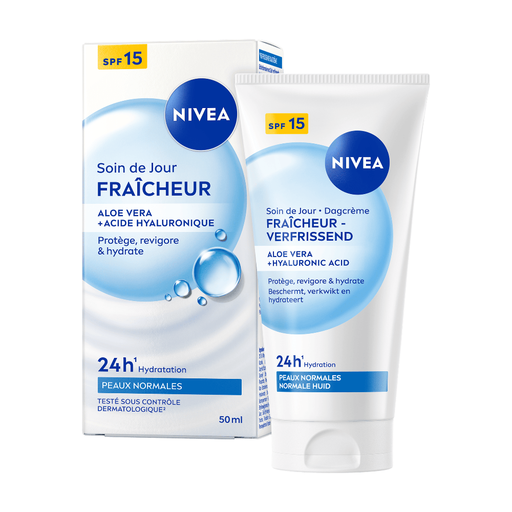
Why it suits this profile: An accessible day cream for normal skin that combines daily hydration with SPF 15. The product description mentions ingredients including aloe vera and hyaluronic acid.
The SPF rating and skin type are clearly stated. However, do not expect protection at the level of a facial cream with SPF 50+.
SPF 15, 50 ml contents and a fast-absorbing formula according to the product information.
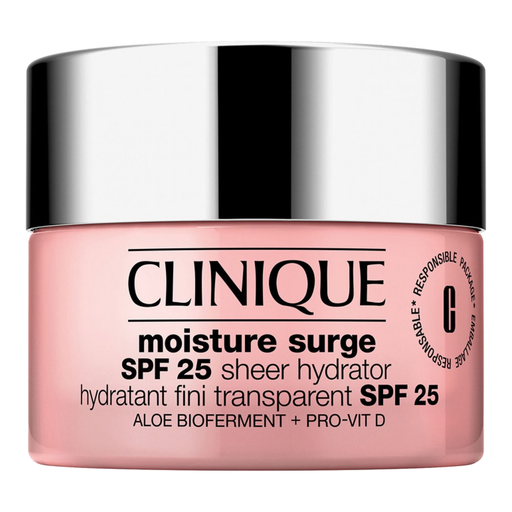
Why it suits this profile: For anyone looking for a lightweight facial cream to wear under make-up. The product information states that it has a transparent finish, a fragrance-free formula and is suitable for all skin types.
The transparent finish reduces the risk of a visible white cast. However, SPF 25 is still lower than SPF 50+.
50 ml, fragrance-free according to the product details, and intended for use on the face, neck and décolletage.
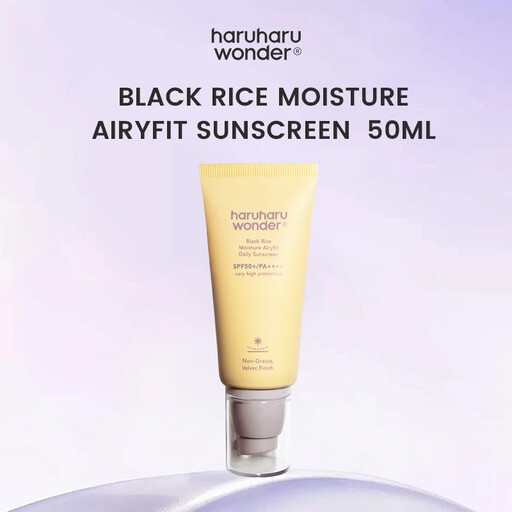
Why it suits this profile: A Korean sunscreen for anyone looking for a high stated level of protection and a lightweight texture for daily use.
The product description states that it has an airy finish without a white cast. When used outdoors, regular reapplication is still necessary.
SPF 50+, PA++++, 50 ml and ingredients such as glycerine, niacinamide and ceramide NP according to the product information.
We have put together a complete, up-to-date list of products that fully meet these strict selection criteria and the applicable European safety regulations.
That depends on the SPF rating, the amount of product applied and how long you spend outdoors. For prolonged exposure, a separate facial sunscreen with SPF 30 or SPF 50+ is a practical choice. Also wear sunglasses, a sun hat or cap, and seek shade wherever possible.
Apply an even, generous layer to your face and neck according to the instructions on the packaging. Applying too little product reduces the stated level of protection. When outdoors, reapply regularly and always after swimming, sweating or drying yourself if the product is not water-resistant.
Yes, many lightweight formulas are designed to be worn under make-up. Allow the cream to absorb fully first and choose a finish that suits your skin type. A sunscreen without a white cast or a tinted formula can help minimise visible residue or differences in colour. However, check that the shade matches your skin tone.
