
Vandaag of morgen in huis

Kwaliteit gegarandeerd

Welkomstaanbiedingen ontgrendelen: GRATIS bezorging | Tot 80% korting | Gratis 30 dagen JoyPlus-proefperiode
Download de app
A facial cleansing gel seems simple: apply, rinse and you’re done. However, choosing the wrong one can leave your skin feeling tight, looking shinier or becoming irritated. Marketing terms such as “deep cleansing”, “repair” and “for all skin types” do not always tell the whole story.
The Joybuy Product Recommendation Officer therefore filters the most important product information in a practical way. This helps you see what to look for in a mild facial cleanser, which ingredients are relevant and which type of facial cleansing gel suits your daily routine.
A product may be described as suitable for all skin types on the packaging, while your skin reacts badly to fragrance, essential oils or certain acids. Always check the full ingredients list. For sensitive skin, a short formula and a fragrance-free option are often easier to assess.
A strongly foaming cleanser can remove excess sebum and dirt, but a tight feeling after rinsing is not necessarily a sign of effective cleansing. With a hydrating facial cleanser, look for ingredients such as glycerine, panthenol, betaine, hyaluronic acid or ceramides. These ingredients are used in product formulas to help retain moisture or leave the skin feeling comfortable.
A facial cleanser for blemish-prone skin may contain salicylic acid. This may suit oily or combination skin, but it is not comfortable for everyone when used twice a day. According to the product information, Salicylic Acid Daily Gentle Cleanser contains 0.5% salicylic acid. NIVEA DERMA Skin Clear lists salicylic acid and niacinamide. If you have sensitive skin, check the warnings and introduce the product gradually.
A low pH facial cleanser has an acidity level that, according to the product information, is close to the skin’s natural pH. The number matters more than the wording on the front. SOME BY MI Snail TrueCICA Miracle Repair Low pH Gel Cleanser lists a pH of 5.5. Dr. Althea Green Relief Amino Gel Cleanser lists a mildly acidic pH of 5.0 to 6.0.
A low pH does not guarantee that a product will suit every skin type. Also look at fragrance, essential oils, exfoliating ingredients and the cleansing agents used.
The ingredients list can indicate how gently a formula has been developed. Products in this selection contain, among other things, amino-acid-based or coconut-derived cleansing agents, such as sodium cocoyl glycinate, sodium lauroyl glutamate or coco-betaine. The exact performance and tolerance vary from person to person.
Also consider the texture. A gel cleanser may produce very little foam, while a foaming gel creates a noticeable lather when it comes into contact with water. This is mainly a matter of personal preference, not a direct measure of quality.
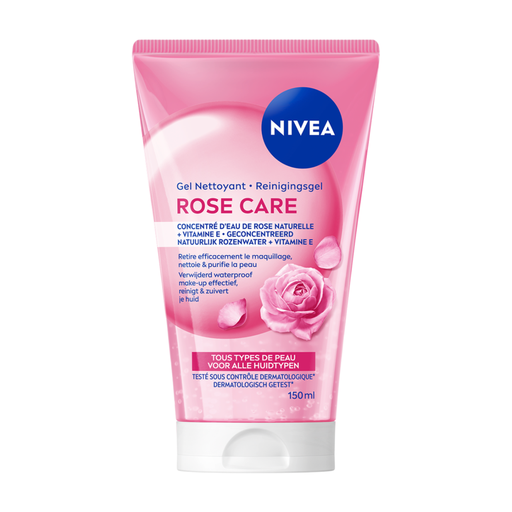
Why it suits this profile: An accessible size for anyone looking for a simple daily facial cleansing routine. The product information mentions micellar cleansing, rose water and vitamin E.
The ingredients list is easy to check. Do bear in mind that it contains fragrance and fragrance allergens such as linalool, citronellol and limonene.
150 ml, gel texture, designed to cleanse and leave skin feeling fresh according to the product description.
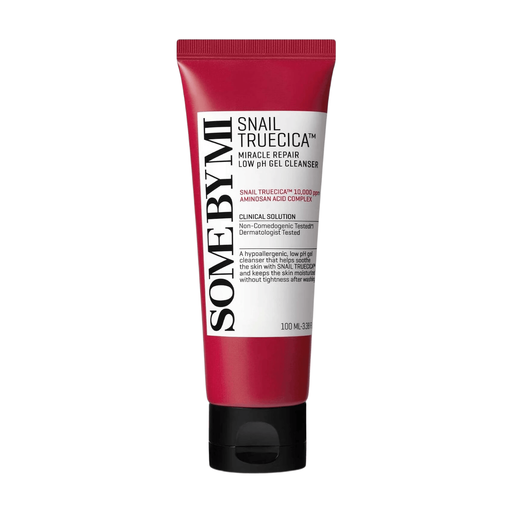
Why it suits this profile: For anyone specifically looking for a Korean gel cleanser with a stated pH value and ingredients such as panthenol, ceramide and an amino acid complex.
The product information states a pH of 5.5. However, check whether bergamot oil and sage oil are suitable for your individual sensitivities.
100 ml, low pH according to the product description, with glycerine, ceramide and panthenol.
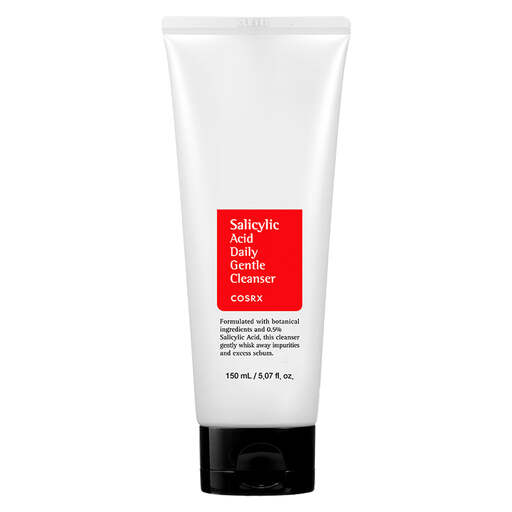
Why it suits this profile: For users looking for a facial cleanser for oily or combination skin who are deliberately choosing salicylic acid.
The concentration of 0.5% salicylic acid is stated. This allows you to compare the product more consciously instead of relying solely on claims such as “for blemish-prone skin”.
150 ml, salicylic acid according to the product information, designed to target excess sebum and provide daily cleansing.
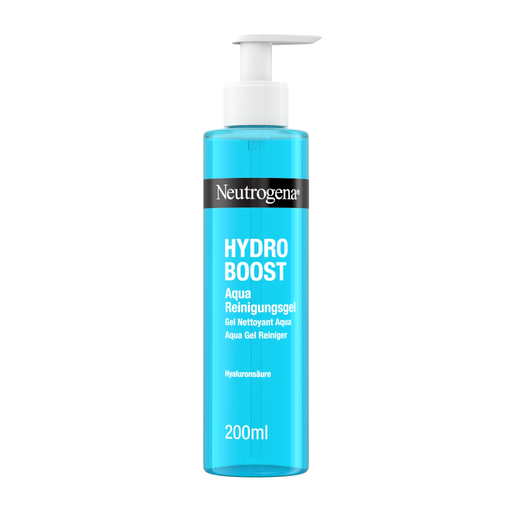
Why it suits this profile: The product description mentions glycerine and hyaluronic acid, and focuses on cleansing without significantly reducing the skin’s natural feeling of moisture.
The formula can be checked on the product page. Please note that ingredients lists and tolerances are personal, particularly for sensitive skin.
200 ml, gel texture, with glycerine and hyaluronic acid according to the product description.
We’ve put together a complete, up-to-date list of products that fully meet these strict selection criteria and the applicable European safety regulations.
If you are wearing make-up or a lot of sun cream, using a single gel cleanser may not be enough. In that case, a separate first cleansing step may be more practical. If you have sensitive skin, test a new product on a small area first and always follow the warnings on the packaging.
This depends on the formula and your skin. According to their product information, many products are intended for daily use, but a formula containing acids, fragrance or essential oils may be less suitable if you have sensitive skin. If necessary, start by using it once a day and watch for redness, itching or a persistent tight feeling.
A 100 to 200 ml bottle can last from several weeks to several months when used daily. This depends on how much you use each time, whether you cleanse once or twice a day, and whether the product is also used on your neck or body. Do not use more gel than necessary to massage your face lightly.
Not necessarily. A low pH may feel comfortable for some users, but the full formula is just as important. Check the pH information, cleansing agents, fragrances and active ingredients. Ultimately, choose the cleanser that suits your skin’s reaction and your daily routine.
