
Vandaag of morgen in huis

Kwaliteit gegarandeerd

Welkomstaanbiedingen ontgrendelen: GRATIS bezorging | Tot 80% korting | Gratis 30 dagen JoyPlus-proefperiode
Download de app
A facial cleansing cream feels gentler than many foaming gels and can be useful for removing makeup, SPF, sebum and everyday pollution. However, not every facial cleanser is suitable for every skin type. A product that feels pleasant may, for example, contain fragrance, foam too much or fail to remove makeup effectively.
As a Joybuy Product Recommendation Officer, I focus primarily on verifiable information: texture, size, directions for use, ingredients and the skin type the product is intended for. This helps you avoid paying mainly for an appealing claim.
The word mild says little on its own. Check the ingredients list for fragrance, essential oils and potentially irritating substances. Even a product with a creamy texture may be less suitable for some users.
When using a facial cleanser for sensitive skin, it is advisable to start with a small amount. Stop using it if you experience redness, itching, a burning sensation or other irritation. Also avoid contact with the eyes unless the label states otherwise.
Hyaluronic acid, niacinamide, salicylic acid and plant oils are commonly used ingredients, but their presence does not automatically make a facial cleanser right for you. The overall formula, concentration and the way you use the product are more important.
For example, a cleansing product containing salicylic acid or AHA may work differently from a regular gentle facial cleanser. According to the NIVEA DERMA Skin Clear product information, the product contains AHA/BHA and niacinamide and is used as a nighttime exfoliating product. It is therefore not the same as a daily cleansing cream that you rinse off immediately.
With double cleansing, you typically first use an oil-based cleansing balm or cleansing cream to loosen makeup and SPF, followed by a water-based facial cleanser. This can be practical when wearing waterproof makeup or a rich sunscreen, but it is not necessary for everyone every day.
If you have not worn makeup or heavy SPF, one well-matched cleanser may be sufficient. Cleansing too often or too vigorously can leave the skin feeling tight.
Cleansing creams, cleansing milks and cleansing balms each have a different usage profile:
Always check whether the product should be applied to dry or damp skin. According to the product description, SENSAI Silky Purifying Cleansing Cream is intended as step 1 of a double-cleansing routine and should be massaged onto dry skin.
For dry skin, a hydrating facial cleanser, cleansing milk or creamy cleanser containing glycerin, oils or soothing ingredients is often a good fit. For sensitive skin, a short ingredients list and a cautious introduction are helpful.
A facial cleanser for oily or blemish-prone skin does not need to be harsh. Look for a low pH, mild surfactants and a formula that does not leave the skin feeling tight for an extended period. The product information for Low-pH Good Morning Cleanser states that it has a low pH and contains ingredients such as betaine salicylate. The manufacturer positions this gel for daily use, including for oily and blemish-prone skin; this is not a medical guarantee.
Do not compare the price alone; also consider the size and the recommended amount per wash. A 150 ml tube may offer better value than a smaller product, but a balm that requires only a small amount may last longer in practice.
Also check:
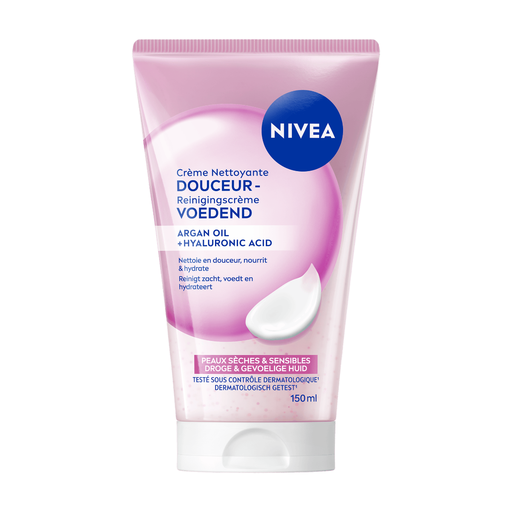
Why This Fits Their Persona: The 150 ml size is suitable for daily morning and evening use. According to the product description, the cream is intended for dry and sensitive skin and can be removed with water or a cotton pad.
The creamy formula means you do not have to rely solely on foam or an “extra-deep” cleanse. However, note the listed fragrance if you have sensitive skin.
150 ml; the stated ingredients list includes glycerin, almond oil and squalane.
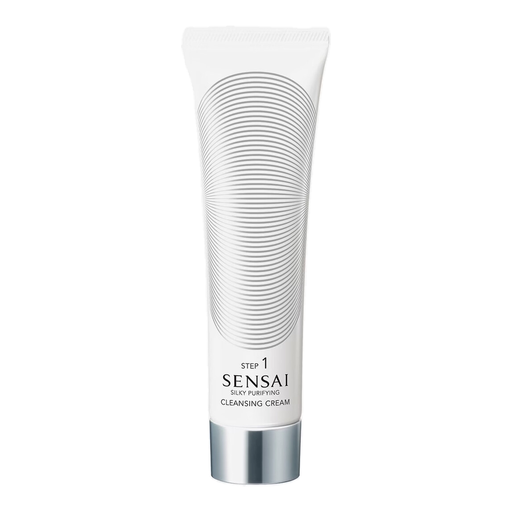
Why This Fits Their Persona: The product description explicitly identifies this as step 1 for removing makeup and sebum, followed by a water-based cleanser. That makes it suitable for evening routines involving makeup or SPF.
The product’s role is clearly defined: it is an oil-based first step, not a complete replacement for step 2.
125 ml; intended for use on dry skin; the ingredients list includes sweet almond oil and argan oil, among others.
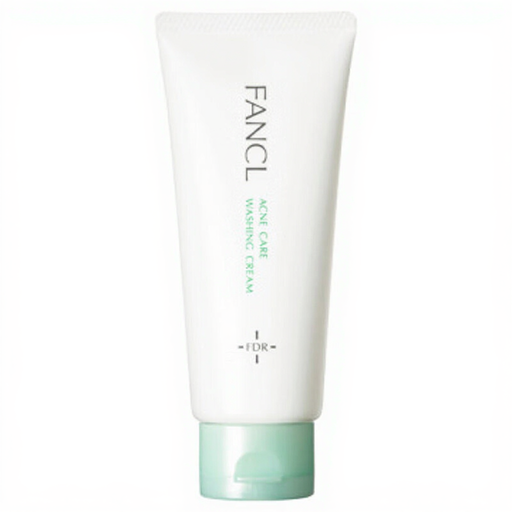
Why This Fits Their Persona: The product information positions this cleansing cream for adult users with blemish-prone skin. The stated amount is approximately 2 cm per use, providing around 60 applications.
The packaging specifies a clear amount and usage duration. The product is designated as a quasi-drug; always check the current packaging and instructions.
90 g; creamy foaming texture; according to the product list, it contains ingredients including glycerin and dipotassium glycyrrhizinate.
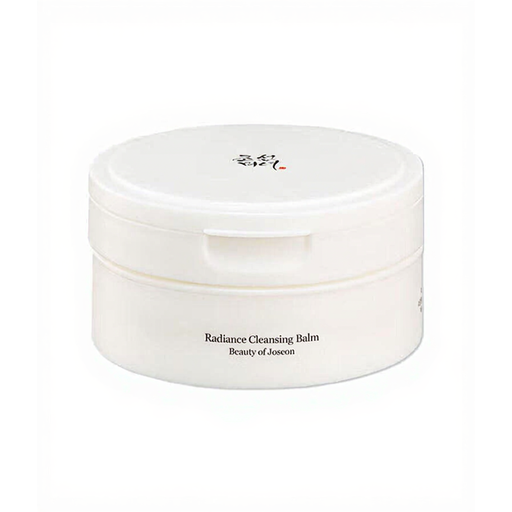
Why This Fits Their Persona: A cleansing balm is practical when you first want to loosen makeup, SPF and oily residue. The product instructions describe emulsifying it with water and then optionally following with a second cleanser.
There is no need to scrub hard: apply to dry skin, massage, emulsify with warm water and rinse thoroughly.
100 ml; according to the directions, the balm transforms into a milky emulsion; rice and oat extracts are listed among the ingredients.
Explore a current selection of facial cleansing creams and compare texture, size, ingredients and usage guidance.
If you use a cleanser containing AHA or salicylic acid as a leave-on product, follow the specific warnings on the packaging. According to the NIVEA DERMA product information, the skin may become more sensitive to sunlight; sun protection and limiting exposure are mentioned there.
Often, yes—especially if you enjoy a creamy texture and want to avoid a tight feeling after cleansing. Look for ingredients such as glycerin, oils or shea butter, but also check for fragrance and other substances that have caused your skin to react in the past. A product designed for dry skin is not automatically suitable for every sensitive skin type.
It can work well as part of a daily evening routine, particularly when you wear makeup or SPF. Use enough water to emulsify the balm and rinse thoroughly. A second cleanser is especially useful when oily residue remains or when the product instructions recommend it.
Compare the price per 100 ml or 100 g and consider the recommended amount per use. A 200 ml cleansing milk, such as some NIVEA variants, offers a larger volume. However, a smaller cleansing cream may last longer if you need only a small amount each time. The final cost therefore depends on both the product size and how much you use.
