
Vandaag of morgen in huis

Kwaliteit gegarandeerd

Welkomstaanbiedingen ontgrendelen: GRATIS bezorging | Tot 80% korting | Gratis 30 dagen JoyPlus-proefperiode
Download de app
A facial cleanser seems simple: apply, rinse and you’re done. Yet many people buy a product that cleanses too harshly, does not work well with make-up or leaves their skin feeling tight after just a few days. Korean skincare offers an especially wide choice, from cleansing foams and gels to cleansing oils and products containing acids.
The packaging does not always tell the full story. So look out for the following common pitfalls.
Lots of foam does not automatically mean that a cleanser cleanses better. A rich lather can feel pleasant, but a formula that strips the skin too aggressively may leave it feeling dry or tight. So check the full ingredients list rather than relying only on terms such as “deep cleansing” or “pore cleansing”.
A water-based face wash is suitable for sweat, dust and some sebum. Waterproof sun cream and make-up often dissolve more effectively with a cleansing oil. If you try to remove everything with one foaming cleanser, you may need to rub harder. This can be uncomfortable, particularly around the eyes.
A salicylic acid facial cleanser, AHA or PHA formula may suit oily or blemish-prone skin. That does not mean washing more often or for longer will automatically produce better results. Check the concentration, follow the label and stop if irritation occurs. According to some brands’ product information, ingredients such as tea tree oil, fragrance or exfoliating acids may cause sensitivity.
Start by choosing according to your everyday needs:
A low pH cleanser usually has a slightly acidic pH level. the brand’s product information, for example, describes the Good Morning Gel Cleanser as a low-pH formula. A lower pH may work well as part of a gentle cleansing routine, but pH alone does not determine whether a product is suitable. Surfactants, fragrance and the way you wash your face also play a part.
Always check:
A label such as “hypoallergenic”, “vegan” or “dermatologically tested” is product information provided by the brand. It is not a guarantee that every user will tolerate the product without a reaction.
With double cleansing, you first use an oil-based product and then a water-based cleanser. Apply cleansing oil to a dry face using dry hands. Massage gently, then add a little water and rinse. Follow with a cleansing gel or foam on a damp face.
This method is particularly practical when wearing make-up, waterproof sun cream or when your skin has a noticeably oily layer at the end of the day. For a morning routine or a make-up-free day, one gentle cleanser is often enough. More steps are not automatically necessary.

Why it suits this profile: The gel texture and 100 ml size make this an approachable Korean skincare cleanser for everyday use, without requiring an elaborate routine from the outset.
The product description refers to a lightweight gel cleanser intended for use on a damp face. This means you do not need to choose an aggressive foam for everyday cleansing.
100 ml, gel texture and ingredients such as glycerine and plum water, according to the product information.
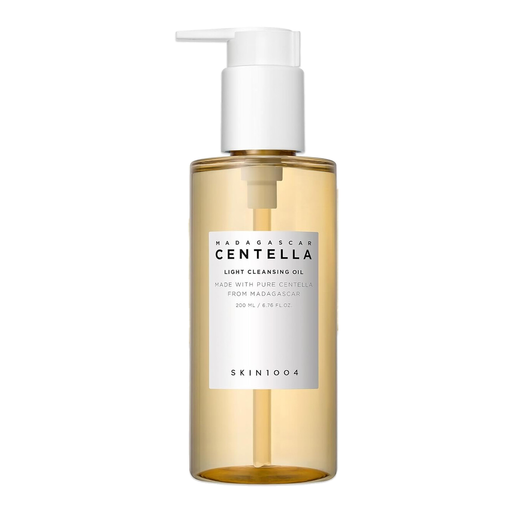
Why it suits this profile: If you want to establish a consistent evening routine for removing make-up or sun cream, this 200 ml cleansing oil is designed to be the first step in a double-cleansing routine.
The instructions specify using dry hands on dry skin. This helps dissolve make-up and oily residue without vigorous rubbing.
200 ml, lightweight texture and six plant oils plus Madagascar Centella, according to the product description.
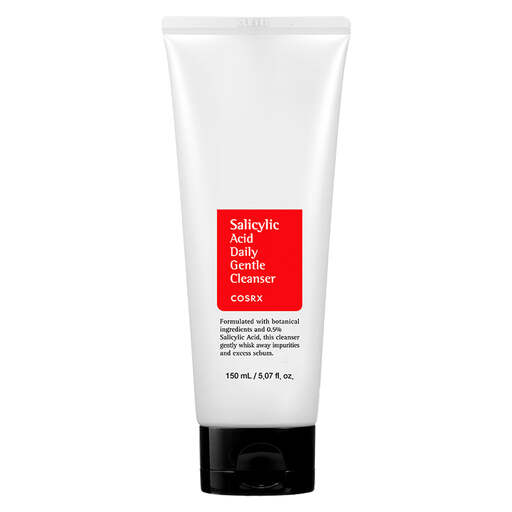
Why it suits this profile: This product is aimed at users specifically looking for salicylic acid for oily, combination or blemish-prone skin.
The ingredients list states 0.5% salicylic acid. The packaging also advises carrying out a patch test first and stopping if irritation occurs.
150 ml, 0.5% salicylic acid and tea tree oil, according to the product information. Do not use on irritated skin.
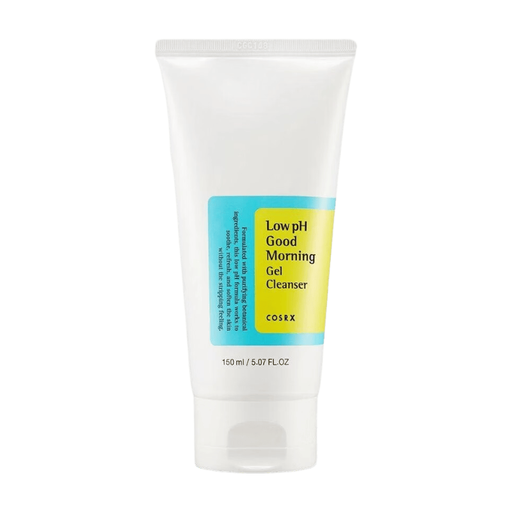
Why it suits this profile: The gel texture and stated low-pH formula are suitable for anyone looking for a simple morning and evening cleanser for normal, combination or oily skin.
The product information explicitly mentions the low-pH formula and advises avoiding contact with the eyes. You can therefore assess your choice based on specific information.
150 ml, gel texture and ingredients such as betaine salicylate and tea tree oil, according to the product list.
We have put together a complete, up-to-date list of products that fully meet these strict selection criteria and the applicable European safety regulations.
For most routines, cleansing once in the evening is enough to remove sebum, dirt, sun cream and make-up residue. You can cleanse again in the morning if your skin becomes oily overnight. Dry or sensitive skin may benefit from cleansing less often or using a gentler formula.
Check the expiry date and the period-after-opening symbol on the packaging. Close the tube or pump bottle securely and store the product in a cool, dry place away from direct sunlight. If the scent, colour or texture changes, stop using it.
The price mainly depends on the brand, volume, ingredients and product type. Compare the price per 100 ml. A 20 or 50 ml mini cleanser is convenient for travelling or trying a product first; a 150 to 240 ml size is often more practical for everyday use.
