
Vandaag of morgen in huis

Kwaliteit gegarandeerd

Welkomstaanbiedingen ontgrendelen: GRATIS bezorging | Tot 80% korting | Gratis 30 dagen JoyPlus-proefperiode
Download de app
A facial cleanser may seem like a simple product, but formulas, textures and ways of using them can vary considerably. Choosing the wrong one can leave your skin feeling tight, looking shiny or unnecessarily irritated. This is why, particularly when cleansing your face every day, it is important to look beyond eye-catching packaging or promises on the label.
Skin that feels tight after washing is not necessarily cleaner. This sensation may indicate that the cleanser has removed a lot of the skin’s natural oils. If you have dry or sensitive skin, a gentle facial cleanser containing glycerine, betaine or other moisture-binding ingredients may feel more comfortable.
Words such as “hydrating”, “balancing” or “pore-cleansing” do not tell you everything about how a product will work for you. According to a brand’s product description, ingredients such as salicylic acid, niacinamide, centella asiatica or hyaluronic acid may play a particular role, but this does not guarantee the same results for every user.
So check the full ingredients list and look out for any known sensitivities. Essential oils, fragrance and certain plant extracts may be less suitable for some people.
Oily skin can also be dehydrated. Sensitive skin can still have blemishes. So do not choose solely based on terms such as “for oily skin” or “for blemish-prone skin”. Also consider:
A facial cleansing gel usually feels lightweight and is easy to rinse off. A foaming facial cleanser can be pleasant if you enjoy a fresh, clean feeling, but lots of foam does not automatically mean a more thorough cleanse.
A gel that foams up in your hands, as with various Korean facial cleansers, often combines a liquid starting texture with a light foam. If your skin quickly feels dry, look for gentle surfactants and moisturising ingredients.
For a facial cleanser for sensitive skin, a short, easy-to-understand ingredients list and a gentle cleansing base are useful points to consider. Also check whether a product is fragrance-free if you prefer to avoid fragrance.
With a facial cleanser for oily skin, ingredients such as salicylic acid or niacinamide may be worth considering. According to the product description of NIVEA DERMA Skin Clear, the formula contains salicylic acid and niacinamide and is designed for skin with blemishes. This remains a cosmetic product; it is not a replacement for treatment or advice from a doctor or dermatologist.
For dry skin, formulas containing ingredients such as glycerine, hyaluronic acid or betaine may be more suitable. According to Neutrogena’s product description, Hydro Boost Aqua Cleansing Gel contains hyaluronic acid and glycerine. Always check the current packaging, as ingredients and product information may change.
A 100 to 150 ml bottle is convenient for everyday use and easy to take with you. Check the packaging for the expiry date, batch number and the period after opening. Do not use a product if its smell, colour or texture has changed noticeably.
Wash with lukewarm water and massage without rubbing hard. For many everyday situations, cleansing once is sufficient. If you wear a lot of make-up or a water-resistant product, follow the manufacturer’s instructions and consider using a separate first cleansing step if necessary.
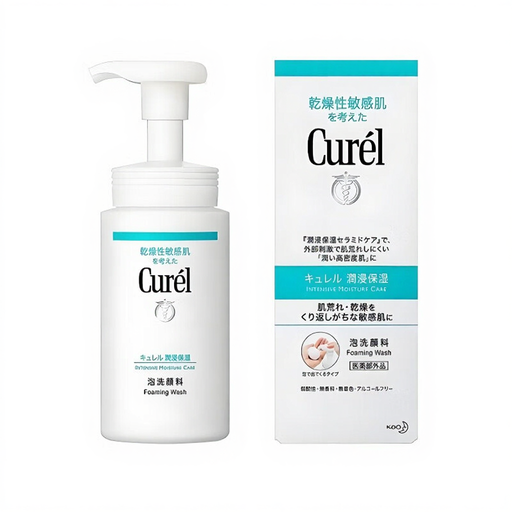
Why it suits this profile: The foaming texture and 150 ml size make this a straightforward choice for anyone looking for a simple routine for sensitive skin.
According to the product description, the formula is designed to cleanse gently while helping to maintain the skin’s moisture and oil balance. Check the ingredients on the packaging if you have any personal sensitivities.
Foaming cleanser, 150 ml and, according to the product information, developed for sensitive skin.

Why it suits this profile: This Korean facial cleanser has a lightweight gel texture and is suited to users who pay attention to ingredients, formula claims and a compact tube.
The product description mentions a gel texture and use with lukewarm water. The “hypoallergenic” claim comes from the brand’s product information and is not a guarantee for every skin type.
100 ml, gel formula and, according to the product details, free from fragrance and essential oils.
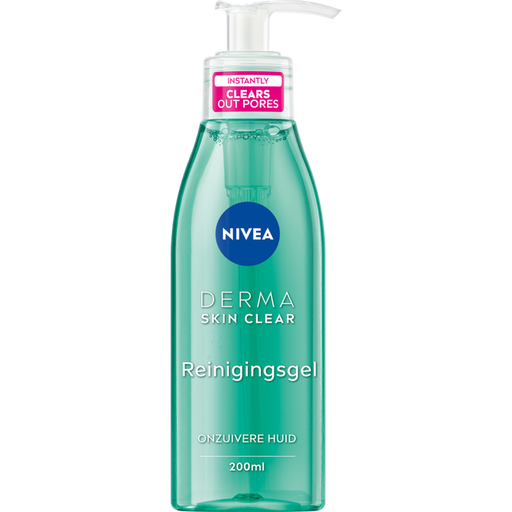
Why it suits this profile: If you are specifically looking for a cleanser for blemish-prone or oily skin, you can compare this formula based on its listed ingredients.
According to NIVEA, the formula is fragrance-free and contains salicylic acid and niacinamide. Introduce it gradually and stop using it if irritation occurs; according to the warning, salicylic acid is not suitable for children under 3 years old.
150 ml, a fragrance-free formula according to the product information, and ingredients suited to oilier skin.
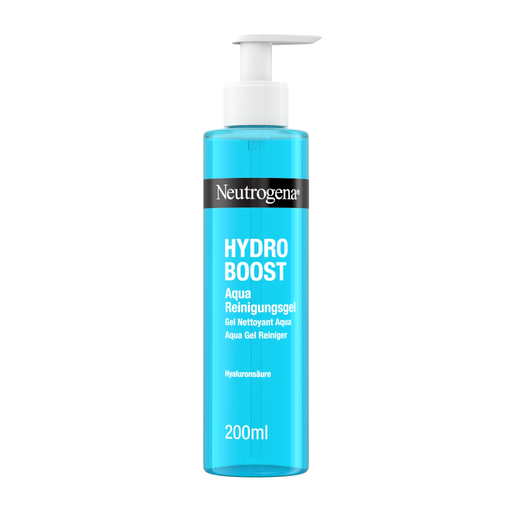
Why it suits this profile: The 200 ml size is practical for regular use. The gel texture suits anyone looking for a lightweight cleanser that leaves skin feeling comfortable.
According to the product description, the cleanser contains glycerine and hyaluronic acid and is intended to cleanse without significantly reducing the skin’s natural moisture feel.
200 ml, gel texture and, according to the product information, an oil-free formula.
We have compiled a complete, up-to-date list of products that fully meet these strict selection criteria and the applicable European safety regulations.
Ideally, test a new facial cleanser on a small area of skin first. Stop using it if you experience redness, itching, swelling or a burning sensation. If symptoms persist, consult a doctor or dermatologist.
For many people, once or twice a day is sufficient. Cleanse in the evening to remove dirt, sweat and cosmetics. In the morning, a gentle cleanse may be suitable, particularly if your skin tends to feel dry or sensitive.
It can be, but consider the full formula and how your own skin reacts. A gentle foaming texture is not automatically drying. If your skin is sensitive to them, look out for fragrance, essential oils and strong cleansing agents. For example, Curel’s product description positions its foaming wash as a gentle option for sensitive skin.
This depends on the size and the amount you use each time. A 150 ml bottle can last from several weeks to several months with daily use. Follow the label information about the shelf life after opening and store the cleanser in a dry, closed place away from direct sunlight.
