
Vandaag of morgen in huis

Kwaliteit gegarandeerd

Welkomstaanbiedingen ontgrendelen: GRATIS bezorging | Tot 80% korting | Gratis 30 dagen JoyPlus-proefperiode
Download de app
A facial cleanser may seem like a simple product, but there are significant differences in texture, cleansing power and ingredients. A product that removes excess sebum effectively may leave dry skin feeling tight. A hydrating facial cleanser can feel comfortable for daily use, but may be less suitable when you want to remove heavy make-up or lots of sun cream.
So don’t just look for terms such as “deep cleansing”, “natural” or “for all skin types”. Pay particular attention to the product format, ingredients list, volume and directions for use. This will help prevent a face cleanser from sitting unused in your bathroom.
A cleanser for all skin types is often a practical middle ground. However, your skin may react differently to fragrance, essential oils, foaming agents or exfoliating acids. If you have sensitive or dry skin, look for a formula whose list of ingredients does not contain unnecessarily harsh cleansing agents.
A brand’s product description is not independent evidence of effectiveness. Statements such as “soothes”, “repairs” or “minimises pores” should be read as claims made by the manufacturer. A brand may refer to such results based on its own research, but they are not guaranteed for every user.
Facial cleansing foam often feels clean because of the amount of lather it produces. In itself, this says little about how effectively the product removes make-up, sebum or sun cream. Some gentle cleansers produce hardly any foam, while others create a very dense lather.
If you wear waterproof make-up, you may need a separate make-up remover or an oil-based first cleansing step. A foaming cleanser alone does not necessarily remove all traces of make-up in one go.
A pore cleanser containing BHA or PHA may appeal to people with oily or blemish-prone skin. However, daily use is not suitable for everyone. According to the product information, the SOME BY MI Super Matcha Pore Clean Cleansing Gel contains natural BHA and PHA. The packaging warns that BHA can increase sensitivity to sunlight, so use sun protection during the day and stop using the product if you experience a burning, itchy or swollen sensation.
A gel that transforms into foam provides a different experience from a solid soap. Also check the volume: 50 ml is suitable as a travel size or for trying out a product, while 120 to 200 ml is more practical for daily use.
Look at the combination of cleansing agents, humectants and any fragrances. Glycerine, hyaluronic acid and certain amino acids are often used to help retain moisture. This does not automatically mean that a product has a medical or long-lasting hydrating effect, but these ingredients can be relevant to how your skin feels after rinsing.
If you have sensitive skin, it is wise to examine fragrance, essential oils and exfoliating acids particularly carefully. Test a new facial cleanser for sensitive skin on a small area first and always follow the warnings on the packaging.
The product packaging is the definitive source for the expiry date and the period after opening. Also check:
The History of Whoo Gongjinhyang Foam Cleanser is described as 177 ml, while the product details state 180 ml. This difference shows why you should check the final packaging and product specifications before placing your order.
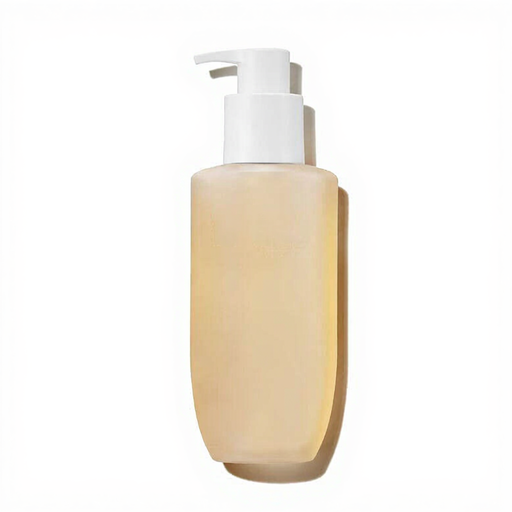
Why it suits this profile: The pump dispenser and 200 ml volume are well suited to an established morning and evening routine at home.
The description gives clear dosage instructions: mix two pumps with water. However, check the ingredients list, as it contains fragrance and fragrance components such as limonene and linalool.
200 ml; pump format; foaming cleanser for all skin types according to the product specification.
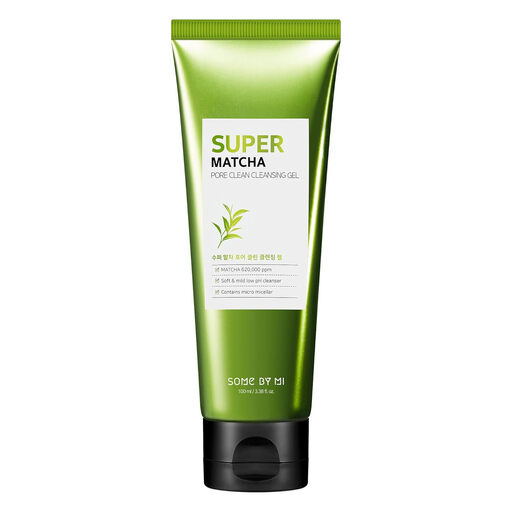
Why it suits this profile: This gel is aimed at users who want to focus on sebum, pores and an exfoliating routine as well as cleansing.
The product information lists 62% matcha water, BHA, PHA and konjac particles. As acids are not suitable for every skin type, you should take the safety warnings and sun protection advice seriously.
100 ml; gel that is worked into a foam; BHA and PHA according to the ingredient information.
We have put together a complete, up-to-date list of products that fully meet these strict selection criteria and the applicable European safety regulations.
Wet your face and hands with lukewarm water. Apply a small amount and massage gently using circular movements. The instructions for the Whoo Foam Cleanser specify 30 to 60 seconds; rubbing for longer or more vigorously does not automatically make cleansing more effective. Rinse thoroughly and pat your skin dry with a clean towel.
If you wear make-up or use water-resistant sun cream, double cleansing in the evening may be practical: start with a make-up remover or oil, followed by a cleansing gel or foam. An additional cleansing step is not necessary if it leaves your skin feeling dry or irritated.
For many people, cleansing once in the evening is enough. In the morning, you can choose water or a gentle facial cleanser, depending on your sebum production and how your skin feels. If you have dry or sensitive skin, cleansing twice a day may be too much.
Look for a lightweight gel or foaming cleanser and check whether the formula contains exfoliating ingredients. An acne facial cleanser is not a substitute for treatment. If you have persistent or severe skin problems, it is better to seek advice from a doctor or pharmacist. Stop using the product if irritation occurs and follow the warnings on the packaging.
This depends on the volume, dosage and frequency of use. A 150 ml bottle will generally last longer with daily use than a 50 ml travel size, but exact usage varies from person to person. Use the recommended amount and, after opening, check the symbol on the packaging, such as 6M or 12M.
