
Vandaag of morgen in huis

Kwaliteit gegarandeerd

Welkomstaanbiedingen ontgrendelen: GRATIS bezorging | Tot 80% korting | Gratis 30 dagen JoyPlus-proefperiode
Download de app
Facial wipes are handy after a workout, when you’re travelling, or if you need to remove make-up and dirt quickly. Yet many packs look very similar. A low price might mean fewer wipes, while a product that seems gentle could still contain perfume or alcohol. What’s more, baby wipes, moist facial wipes and dry tissues are sometimes used interchangeably without clear explanation.
With these checks, you can choose more wisely and avoid a bad buy.
A pack with 720 or even 2,880 sheets might seem great value, but you should also check the size, thickness and intended use. Small disposable facial wipes are fine for a quick freshen-up, whereas a larger sheet can be more practical for cleansing your face on the go or for use with water.
So compare the price per wipe and the dimensions. A travel pack with individually wrapped wipes may cost more per sheet, but it prevents them from drying out and fits more easily into a bag.
Words like “mild”, “natural” and “for sensitive skin” only mean something when you look at the ingredients and the material. With moist wipes, pay attention to:
According to NIVEA’s product information, the Sensitive Face Cleansing Wipes have been dermatologically and ophthalmologically tested. That is a claim from the brand, not a guarantee that everyone will tolerate the product without issues. If irritation occurs, stop using them and follow the instructions on the pack.
Cotton facial wipes or wipes made from plant fibres may, according to the product description, contain biodegradable materials. That doesn’t mean they belong in the toilet. Used wipes should go in the general waste, unless your local waste guidance says otherwise. Also check that the pack reseals properly. A loose sticker strip can let moisture evaporate more quickly.
There are three practical types:
Purcotton states 100% cotton for several products and says they can be used both dry and wet. This information comes from the brand’s product details. The Travel Pack version contains 400 sheets, split across eight packs of 50. That makes this option practical for hand luggage, the office or a gym bag.
A wipe measuring roughly 20 × 20 cm gives you more surface area for cleansing your face than a small cosmetic wipe. For make-up remover wipes, the combination of size and moisture is especially important: material that is too thin can tear when you’re removing mascara or foundation.
For heavy use – for example, when travelling, after exercise or for family use – dry wipes that you can moisten with water are flexible. Check whether the material stays strong when wet, according to the product description. Always be careful around the eyes and avoid direct contact with the eyeball.
If you react quickly to cosmetics, it’s best to start with a short ingredients list. Fragrance-free facial wipes aren’t automatically suitable for every sensitive skin, but they do limit one common source of irritants. Also look for clear information about alcohol, oils and preservatives.
The same goes for aloe vera facial wipes: aloe vera is an ingredient, not a universal guarantee of comfort. According to the product description, the NIVEA Bio Aloe Vera version contains organic aloe vera and a formula that removes make-up. The pack also lists fragrances. So always check the current label if you are sensitive to perfume.
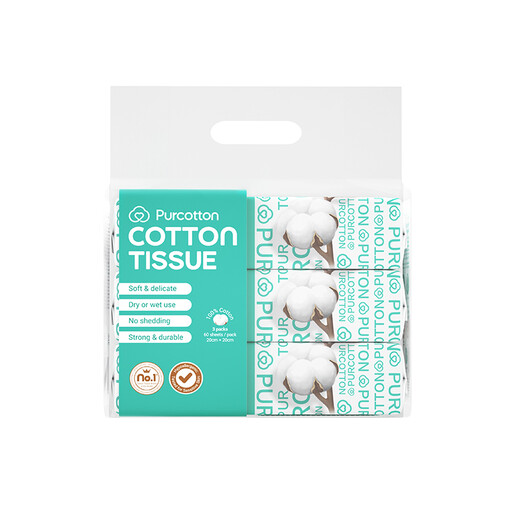
Why this fits the profile: A pack of 180 sheets, split across three packets, is straightforward for daily use at home and on the go. According to the product information, the wipes can be used dry or wet.
The number of sheets and the packaging units are clearly stated. This lets you compare the price per sheet rather than just looking at the pack size.
100% cotton according to the product information; can be used dry or wet; three separate packets.
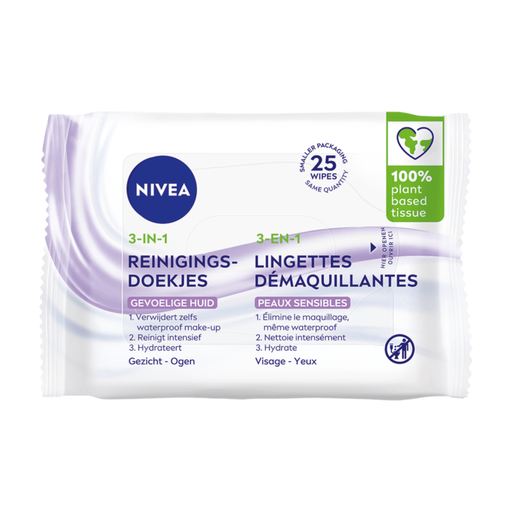
Why this fits the profile: This pack contains 25 moist wipes for users who want to remove make-up and daily impurities quickly without adding water themselves.
The product description explicitly mentions 100% plant-based fibres and a formula with no unnecessary ambiguity about its intended use. Check the current ingredients on the pack.
25 wipes; designed for removing make-up; according to NIVEA, dermatologically and ophthalmologically tested.
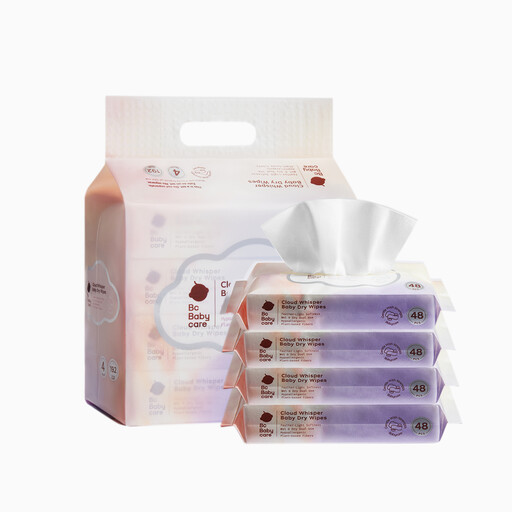
Why this fits the profile: Handy for families, sports enthusiasts and travellers who want dry wipes or prefer to moisten them with water themselves.
The wipes are not pre-soaked. This means you decide how much water to use and don’t have to carry a damp pack with you.
192 sheets; according to the product description, free from alcohol, parabens and perfume; suitable for dry and wet use.
We’ve put together a full, up-to-date list of products that fully meet these strict selection criteria and comply with current European safety regulations.
Use a moist wipe with gentle movements and avoid rubbing hard, especially around the eyes. With dry facial tissues, you can add clean water; use a fresh wipe each time and store unused ones in a dry place. Close a resealable pack immediately after use.
Facial wipes don’t always replace a full cleansing routine. With heavy make-up or sunscreen, a second cleansing step may be necessary. Read the product instructions for this and pay attention to how your skin reacts. Never reuse disposable wipes and don’t flush them down the toilet.
That depends on the material, the formula and your skin. Check the ingredients and use them according to the label. For sensitive skin, a fragrance-free option or a dry cotton wipe with water can be a practical choice. If irritation occurs, stop using them.
Look at the shelf-life information and any period-after-opening symbol on the pack. Close the pack after every use and store it in a cool, dry place away from direct sunlight. If wipes have dried out, changed colour or smell different, don’t use them.
They can be, especially with larger packs. You do need to add water yourself and dispose of the wipes after use. So compare the price per sheet, the size and the number of packs. For occasional use on the go, a smaller, individually wrapped option may be more practical, even if the price per wipe is higher.
