
Vandaag of morgen in huis

Kwaliteit gegarandeerd

Welkomstaanbiedingen ontgrendelen: GRATIS bezorging | Tot 80% korting | Gratis 30 dagen JoyPlus-proefperiode
Download de app
Facial tissues may seem straightforward, but the differences between packs can be significant. Some are designed for a quick clean-up, while others are intended for daily use by the whole family. The number of ply, the fibres, the packaging and the presence of scent all determine whether a product suits your needs.
If you only look at a low price or a high sheet count, you could still end up with the wrong choice. Below, you'll find out which features you need to check before buying facial tissues.
A family pack of tissues might look like great value, but always check how many sheets are in each pack and per box. A pack containing 20 small packets can be more practical than one large bundle, especially if you want to keep tissues in several places around the house.
So, compare:
A cheap pack of thin 2-ply tissues can be perfectly fine for everyday use, but it may be less suitable if you want to use a single sheet for damp cleaning.
The term soft tissues doesn't automatically describe the material or structure. Look at the product specifications. Tissues can be made from cellulose, virgin wood pulp, cotton or non-woven material. Embossing, lotion and the number of ply also affect how they feel on the skin.
For tissues intended for sensitive skin, it's wise to pay extra attention to fragrances, alcohol, optical brighteners and other added substances. According to the product information for some Purcotton variants, these contain no perfume, alcohol, fluorescent brighteners or plasticisers. That is a verifiable product specification, but it doesn't guarantee that everyone can use the product without irritation.
Not every dry tissue is suitable for wetting. A tissue can fall apart, shed fibres or feel less pleasant. Manufacturers may state that a product can be used both dry and damp. Treat this as a product feature according to the manufacturer, not as a general guarantee.
Also, do not flush facial tissues down the toilet. Even if a tissue remains strong when used damp, it should go in the bin after use.
Cotton facial tissues are worth considering if you want a soft, reusable feel without having to wash a fabric towel. Purcotton states that the products mentioned are made from 100% cotton and positions them for dry and damp use, make-up removal, baby care and light household cleaning.
Cellulose and virgin wood pulp are common materials for paper facial tissues. They are practical for boxes in the living room, bedroom or bathroom. When claims about responsible forestry are made, check whether a specific certification is mentioned. The C&S hanging tissues in the range, for example, state FSC Mix 70%.
Non-woven wipes often feel more like a thin disposable towel. According to the product information for the ochama Disposable Face Towel, it uses an ultra-soft non-woven material of 65 g/m². The exact fibre composition is not specified further there. That is relevant information if you are sensitive to certain materials.
For everyday dry use, 3-ply tissues are a practical middle ground. They generally offer more structure than 2-ply variants without making the packaging too bulky. 4-ply tissues are thicker and can be appealing for damp use or household tasks.
Alongside the number of ply, look at:
The C&S Embossed Hanging Tissues are 4-ply, measure 170 × 131 mm and contain 250 sheets per pack. According to the product description, they are designed for dry or lightly damp use and feature a hanging mechanism.
Scent is a personal choice. A floral fragrance or cologne can be pleasant in a living room, but it's less suitable if you want to avoid fragrances. According to the product information, the C&S Cologne variant contains a cologne scent and consists of 3-ply tissues. The C&S Floral variant also mentions a fragrance and advises users with a known sensitivity to perfume to be cautious.
For make-up remover wipes and cleansing around the face, an unscented variant is often more logical. Also note the difference between dry and wet facial wipes: wet wipes often contain extra ingredients, whereas cotton or paper tissues are usually supplied dry.
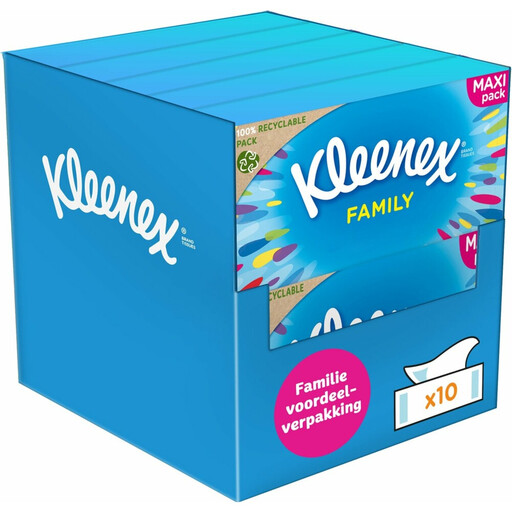
Why this fits the profile: The pack contains 10 packets of 128 sheets, making it suitable for daily use by a household.
The contents are clearly broken down per packet, so you don't have to rely solely on the total number.
100% virgin cellulose pulp according to the product information, FSC mention and a large family pack.
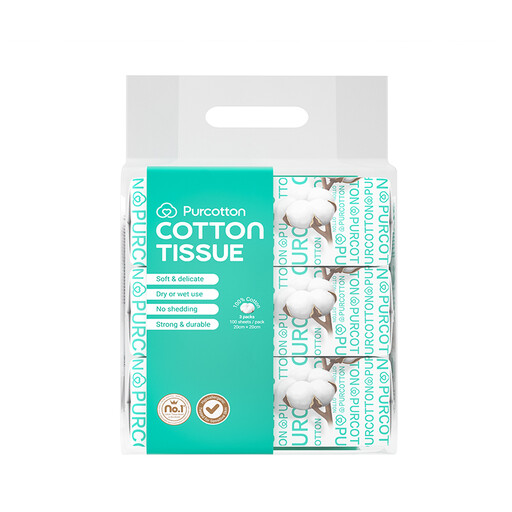
Why this fits the profile: The 300 sheets are divided across three packs, and the product description mentions cotton, dry and damp use, and make-up removal.
The material and contents per pack are clearly stated. According to the manufacturer, the product is free from fragrance, alcohol, fluorescent brighteners and plasticisers.
100% cotton according to the product information, 20 × 20 cm per sheet and a stated OEKO-TEX STANDARD 100 certificate.
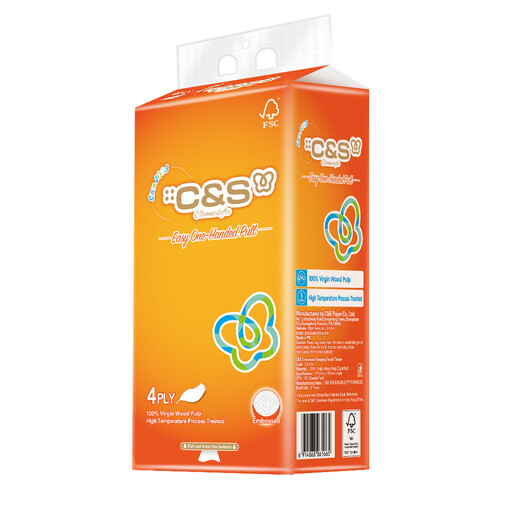
Why this fits the profile: The 4-ply structure, wet-strength mention and hanging pack suit the kitchen, bathroom and other high-traffic areas.
The product information distinguishes between normal and lightly damp use and states that flushing is not permitted.
4 ply, 250 sheets per pack, embossed texture and an integrated hanger; FSC Mix 70% is stated.
We've put together a full, up-to-date list of products that fully meet these strict selection criteria and comply with current European safety regulations.
3-ply tissues are often suitable for everyday dry use. 4-ply tissues are thicker and can offer more structure and strength. However, the number of ply is not the only factor: material, size and moisture resistance also count.
According to the product information from Purcotton, certain cotton facial tissues have been tested for sensitive skin and are OEKO-TEX STANDARD 100 certified. This is information from the manufacturer. Always check the label and stop using the product if you experience discomfort or irritation.
Follow the expiry or storage information on the packaging. Store tissues in a dry place, out of direct sunlight and in their original packaging. Moisture can affect the structure and hygiene, especially with opened packs.
