
Vandaag of morgen in huis

Kwaliteit gegarandeerd

Welkomstaanbiedingen ontgrendelen: GRATIS bezorging | Tot 80% korting | Gratis 30 dagen JoyPlus-proefperiode
Download de app
Facial tissues may seem straightforward, but there are significant differences between handkerchiefs, pocket tissues and large value packs. A pack may look inexpensive yet run out quickly. Other tissues feel soft at first but tear when wet or leave fluff behind.
The right choice therefore depends on more than just the brand or price. Pay particular attention to the number of layers, size, composition and how you intend to use the tissues. Below, you’ll find the common pitfalls to watch out for and which facial tissues suit different households and situations.
A pack containing lots of tissues is not automatically good value. Compare the price per tissue and also check how many sheets each pack contains. A bulk pack of tissues can be convenient for a family or office, while a smaller pack may be more suitable if you use fewer tissues.
Soft tissues feel comfortable on the face, but softness says nothing about how strong a tissue is when it gets wet. If you use tissues for your hands, spills or more intensive cleaning, it’s better to check the product information for tear resistance, fibre structure and the number of layers.
According to some brands’ own product information, certain variants are suitable for dry and wet use. Treat this as a manufacturer’s product specification and always check the packaging and instructions for use.
The description tissues for sensitive skin usually refers to qualities such as softness, fragrance-free material or a moisturising additive. It is not a medical guarantee. According to Purcotton’s product information, certain cotton tissues have been tested for sensitive skin and are OEKO-TEX STANDARD 100 certified. This makes them worth considering from a verifiable product-information perspective, but individual skin reactions are still possible.
Stop using the product if irritation occurs and do not use ordinary facial tissues on damaged skin unless the packaging explicitly permits this.
The number of layers provides a practical indication of thickness and structure:
As well as the number of layers, look at the size of each sheet. Compact pocket tissues are handy in a coat pocket, but usually contain fewer sheets than a pack intended for home use.
Many paper facial tissues are made from 100% virgin wood pulp. Other options include cotton or bamboo pulp. Pay attention to the exact description:
For commuting, school and travel, tissues for on the go are particularly practical when each pack is individually wrapped. Check the following:
For home use, a larger pack is generally more efficient. Store tissues in a cool, dry place away from direct sunlight and moisture. Put used tissues in the bin and do not flush them down the toilet, as they can cause blockages.
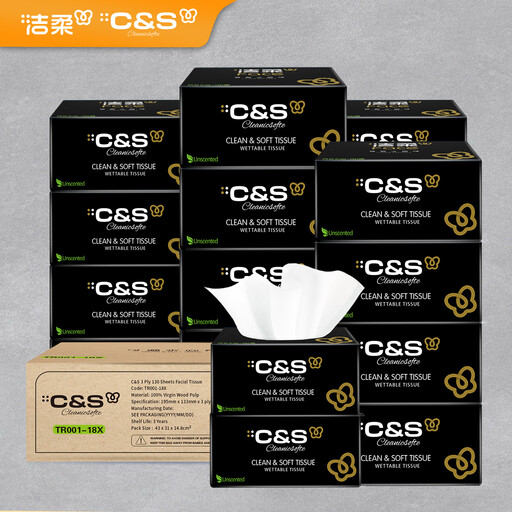
Why it suits this profile: A practical supply for everyday use at home, in the office or during a visit to school. The individual packs are also easy to distribute.
The product information clearly states 3 layers, 130 sheets per pack and 18 packs. This makes it easier to assess the total quantity than with an unclear value pack.
100% virgin wood pulp, 3-ply construction, 130 sheets per pack and packaging suitable for use on the go.
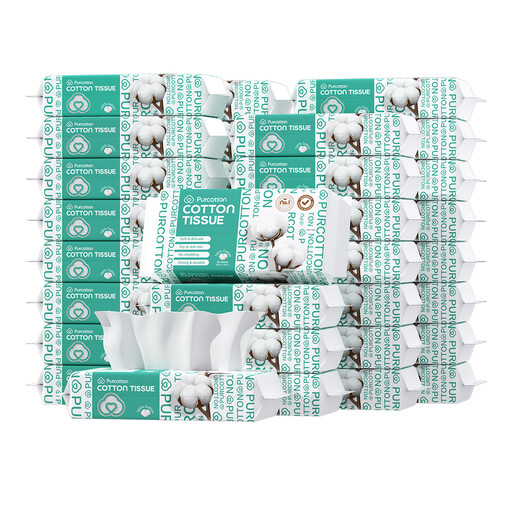
Why it suits this profile: For users who value their choice of material and a soft texture more than the lowest price per tissue.
According to Purcotton’s own product information, the material is made from 100% cotton and is free from fragrance, alcohol and fabric softener. Check the current packaging for these details.
Cotton material, a pack containing 36 packs and, according to the manufacturer, suitability for dry and wet use.
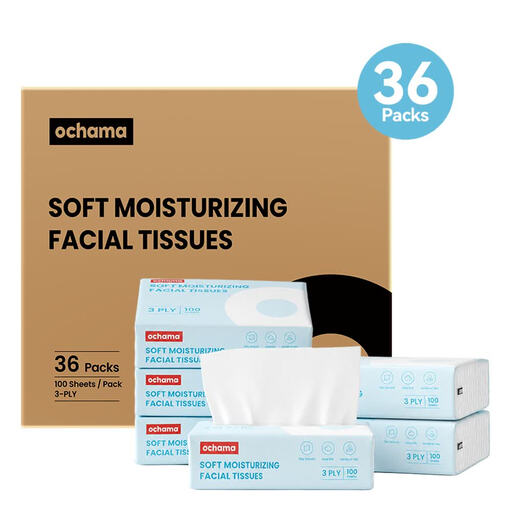
Why it suits this profile: A large family supply for everyday use when plenty of tissues are needed at home, in the office or in a shared space.
The quantity is clearly stated: 36 packs, each containing 100 sheets. The brand mentions a moisturising coating; seal opened packs properly.
3-ply tissues, 3,600 sheets in total and a moisturising additive according to the product description.
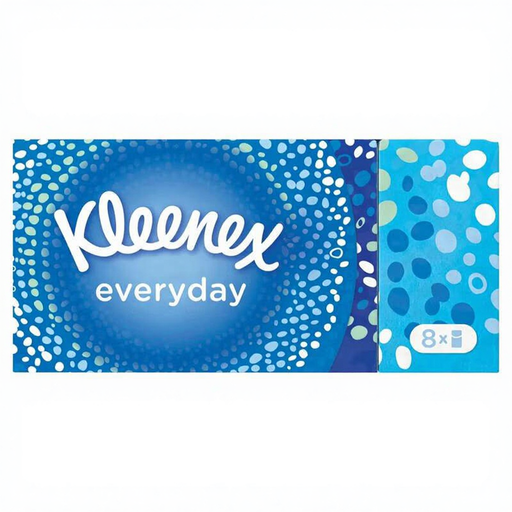
Why it suits this profile: Compact tissues for a coat pocket, bag, train journey, school or a day out.
The packaging is specifically designed for portability. You also know that it contains 8 packs with 9 tissues per pack.
Pocket size, 8 individual packs and, according to the product description, soft, strong and absorbent tissues.
We’ve put together a complete, up-to-date list of products that fully meet these strict selection criteria and the applicable European safety regulations.
Not always. Four layers can provide a thicker structure, but the ultimate strength also depends on the material, bonding and product design. So look at the full product specification rather than just the number of layers.
Preferably choose a variant with few additives and check whether the product is fragrance-free. According to Purcotton’s own product information, some cotton tissues have been tested for sensitive skin. For moisturising tissues, the brand states that the coating contains glycerine. These are product claims, not medical guarantees.
Follow the shelf-life information on the packaging. Store unopened packs in a cool, dry place away from direct sunlight. After opening, it’s advisable to seal the packaging properly and use the tissues in good time, particularly moisturising variants.
