
Vandaag of morgen in huis

Kwaliteit gegarandeerd

Welkomstaanbiedingen ontgrendelen: GRATIS bezorging | Tot 80% korting | Gratis 30 dagen JoyPlus-proefperiode
Download de app
A facial sunscreen SPF 50 should be comfortable enough for daily use. Yet many people buy a product that ends up sitting in the cupboard after a few weeks. The texture feels too greasy, make-up starts to slide, or a visible white cast remains.
With K-beauty sunscreen and Korean sunscreen in particular, terms like “airy”, “glow” and “invisible finish” stand out. These are not fixed quality standards. So start by looking at verifiable information on the packaging and in the ingredients list.
SPF mainly tells you about protection against UVB rays, which cause redness and burning, among other things. For daily protection, UVA protection is also relevant. UVA rays penetrate deeper and are present all year round, even on cloudy days.
A rating such as PA++++ is widely used on Asian sunscreens and indicates a high UVA classification within that system. Also check whether the product states broad UVA and UVB protection on the packaging.
A lightweight sunscreen can be pleasant for oily or combination skin, but may not provide enough comfort for dry skin. Conversely, a hydrating sunscreen can feel heavy on skin that gets shiny quickly.
So pay attention to the desired finish:
“No white cast” and “suitable for sensitive skin” are useful pointers, but not a guarantee for every user. Mineral filters such as zinc oxide and titanium dioxide can still be visible on some skin tones. Fragrance, alcohol or certain plant extracts may feel less pleasant on sensitive skin.
According to a brand’s product description, ingredients like niacinamide, panthenol, rice extract or centella can have a nurturing role. However, do not regard such effects as a medical claim. Always check the most recent INCI list on the packaging and test a new product on a small area of skin first.
For a daily facial sunscreen, many consumers choose SPF 50+ sun cream. SPF 50+ does not mean you can stay in the sun indefinitely. Apply enough product and reapply during prolonged exposure, swimming, sweating or towel drying.
A high SPF is particularly useful when you are outdoors daily, cycling, walking or planning a seaside holiday. For office hours, a comfortable formula remains important because you are more likely to use it consistently.
A gel, serum, fluid or lotion usually spreads differently from a full cream. When using make-up, look for terms like:
Apply sunscreen as the last step of your morning routine. According to the product instructions, preferably wait 15 to 30 minutes before sun exposure. If a formula starts to pill, this can be due to a combination of products, too much rubbing, or insufficient waiting time between layers.
For a sunscreen for sensitive skin, a fragrance-free formula is often a logical first choice. Also look out for warnings and usage advice. Oily skin can benefit from a non-greasy sunscreen with a mattifying finish, for example with silica, tapioca starch or rice starch according to the ingredients list.
For dry skin, glycerine, panthenol, hyaluronic acid or other hydrating ingredients are possible points to consider. They do not replace a full skincare routine, but can improve wearing comfort.
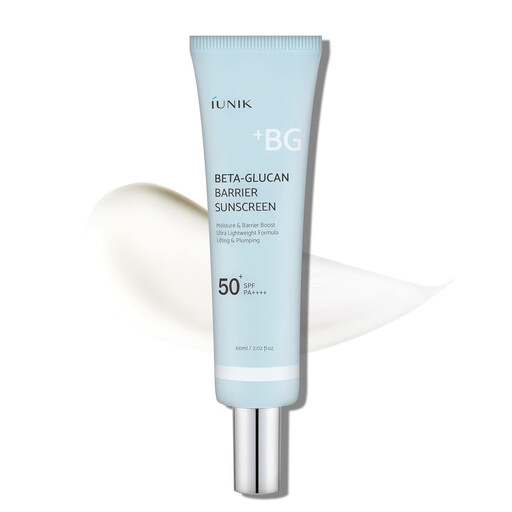
Why this fits the profile: The product description focuses on daily use and mentions a lightweight, hydrating formula for dry, oily and sensitive skin. This makes it a straightforward starting point for anyone who doesn’t want to compare multiple variants straight away.
The stated SPF 50+ and PA++++ make UVA and UVB protection directly verifiable. The product name also mentions a matte finish and no white cast; check this on your own skin tone and during application.
SPF 50+ PA++++, vegan according to the product name and intended for daily use on different skin types.
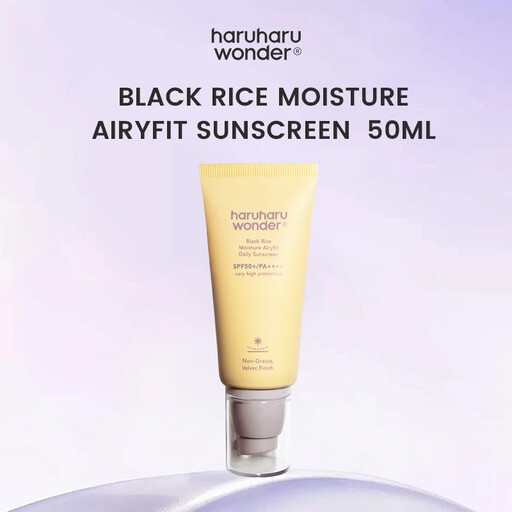
Why this fits the profile: According to the product information, this Korean sunscreen combines an airy-fit texture with hydrating ingredients and a non-greasy finish. That suits users who value comfort under make-up.
The specifications mention SPF50+, PA++++, fast absorption and no white cast. The current INCI list includes glycerine, niacinamide and ceramide NP among others; check the packaging at purchase.
50 ml, SPF50+ PA++++, lightweight texture and a product description that mentions use for all skin types.
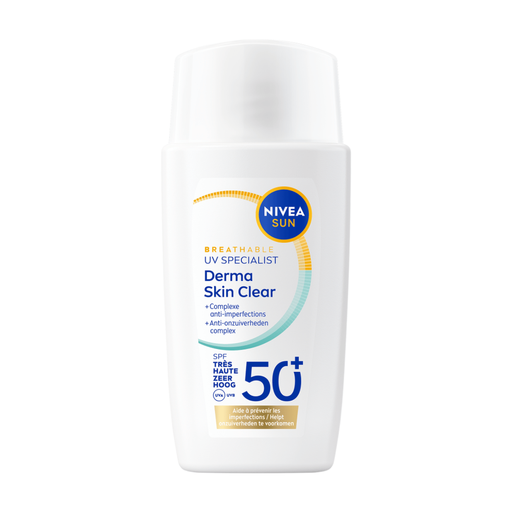
Why this fits the profile: The product description is aimed at normal, oily and blemish-prone skin. The fluid is intended for daily use, reapplication and use under make-up.
The manufacturer states an ultra-light, non-greasy formula and a mattifying effect. These are product claims from the brand; judge for yourself whether the finish remains pleasant after several layers.
SPF50+, PA++++ according to the product information, 40 ml, fast absorption and ingredients such as niacinamide and silica in the stated INCI list.
We have compiled a full, up-to-date list of products that fully meet these strict selection criteria and comply with current European safety regulations.
A facial sunscreen should not only offer high protection, but also fit into your routine. Anyone who finds a product pleasant to use will generally apply it more consistently. So compare SPF, UVA rating, finish, fragrance and skin type together rather than following a single marketing term.
SPF 50 or SPF 50+ can be a practical choice for daily sun exposure, especially with lots of outdoor activities. The protection also depends on the amount, even distribution and reapplication. SPF 50 is not a licence to stay in the sun longer.
The exact shelf life varies per product. Check the packaging for the expiry date and the open jar symbol, for example 12M. Store the product according to the instructions and replace it sooner if the smell, colour or texture changes noticeably.
Yes, many lightweight fluids and serums are designed for use under make-up. Let your skincare and sunscreen sink in briefly and don’t rub too hard. A matte sunscreen can help control shine on oily skin, while a hydrating formula may suit dry skin better.
