
Vandaag of morgen in huis

Kwaliteit gegarandeerd

Welkomstaanbiedingen ontgrendelen: GRATIS bezorging | Tot 80% korting | Gratis 30 dagen JoyPlus-proefperiode
Download de app
A good facial sunscreen SPF 50 needs more than a high protection factor. Its texture, ingredients, water resistance and application method all affect whether you use enough of it every morning. A cream that feels too greasy, stings around the eyes or leaves a noticeable white cast often ends up unused at the back of the bathroom cabinet.
SPF mainly indicates protection against UVB rays. So also check whether the product states that it protects against UVA and UVB rays. UVA contributes to long-term exposure and pigmentation. A high SPF without clear information about UVA protection therefore does not give you the full picture.
Water-resistant sunscreen generally stays on better when swimming or perspiring, but its protection still decreases through water, towel-drying and friction. Only a product that explicitly states that it is water-resistant in its product information should be considered a practical choice for the beach, sport or holidays. Reapplication is still necessary.
Ingredients such as niacinamide, hyaluronic acid, rice extract or centella can make a formula appealing for dry, sensitive or combination skin. However, the presence of such an ingredient does not guarantee that a product will reduce pigmentation, visibly change wrinkles or prevent irritation. A brand may claim certain effects based on its own research, but always check the full ingredients list and take your own skin’s reaction into account.
For everyday facial protection, SPF 50 or SPF 50+ is a sensible choice if you spend a lot of time outdoors, tan quickly or want to help prevent pigmentation. Apply generously to your face, ears and neck. Much product information recommends applying 15 to 30 minutes before sun exposure and reapplying after around two hours outdoors, swimming, sweating or towel-drying.
Also look for an indication of broad-spectrum protection, such as UVA/UVB or PA++++. PA++++ is mainly used on Korean sunscreens to indicate a high level of UVA protection. The exact designation may vary by market and product.
A mineral sunscreen generally uses filters such as zinc oxide or titanium dioxide. According to the product information, Haruharu Wonder Black Rice Pure Mineral Sunscreen contains zinc oxide as a physical UV filter. The description also warns that it may leave a slight white cast, particularly if the product is not worked into the skin thoroughly.
Chemical UV filters absorb UV radiation within the formula. Birch Juice Moisturizing Sunscreen and Beauty of Joseon Relief Sun contain several such filters. A hybrid formula combines both types. The choice mainly depends on texture, how it feels on the skin and personal preference; “chemical” or “mineral” is not, in itself, a measure of suitability.

Why it suits this profile: An accessible Korean sunscreen for everyday use, with a lightweight cream formula for adults who want a simple morning routine.
The product description states SPF50+ PA+++, a lightweight texture and no white cast. This makes the main concerns associated with everyday use clear in advance.
50 ml, fragrance-free according to the product details, with rice extract and a cream formula suitable for everyday use.

Why it suits this profile: A compact milk for anyone who values a lightweight formula and a small size for their bag, commute or travels.
The product information explicitly mentions a lightweight texture and water resistance. This makes the intended use clearer than a general claim about “long-lasting protection”.
SPF50+, milk texture, 12 ml contents and, according to the product description, suitable for the face, neck and other exposed areas.
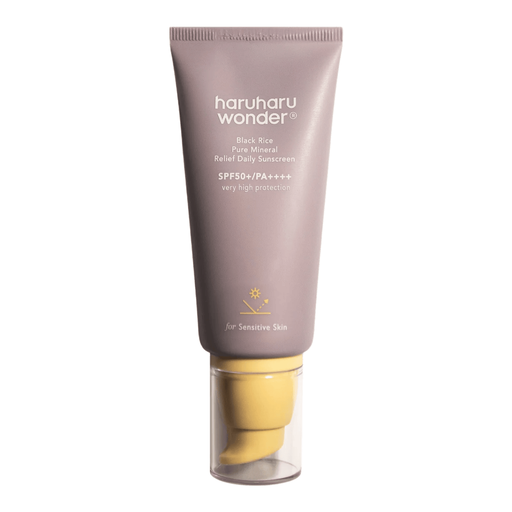
Why it suits this profile: Designed for buyers deliberately seeking a mineral sunscreen with zinc oxide and willing to take extra care when working it into the skin.
The product description honestly states that zinc oxide may initially leave a slight white cast. You therefore know in advance that careful blending is needed.
50 ml, zinc oxide as a mineral filter, plus ceramide NP, glycerine and sodium hyaluronate in the listed ingredients.
We have compiled a complete, up-to-date list of products that fully meet these strict selection criteria and the applicable European safety regulations.
SPF 50 or SPF 50+ is particularly practical in strong sunlight, during extended outdoor activities, for fair skin or when you are taking extra care to prevent pigmentation and premature UV-related skin ageing. For short daily journeys, applying the product correctly and generously remains more important than simply choosing a high number on the packaging.
Check the open-jar symbol on the packaging and the stated expiry information. Store sunscreen in a cool, dry place away from direct sunlight. A change in smell, colour or texture, or separation of the formula, is a reason to stop using the product.
Look for a fragrance-free formula if you are sensitive to fragrance, and check the ingredients for known personal triggers. A mineral formula with zinc oxide may be an option, but it can leave a white cast. Test every new sunscreen for sensitive skin on a small area first and stop using it if redness, itching or swelling occurs.
