
Vandaag of morgen in huis

Kwaliteit gegarandeerd

Welkomstaanbiedingen ontgrendelen: GRATIS bezorging | Tot 80% korting | Gratis 30 dagen JoyPlus-proefperiode
Download de app
A facial sunscreen with SPF 50 should do more than offer high protection. The formula should also suit your skin type, daily routine and application style. A product that feels sticky, pills under make-up or leaves your skin looking shiny often ends up unused.
There are also several common marketing pitfalls:
SPF 50 or SPF 50+ mainly refers to protection against UVB radiation, which can cause redness and sunburn, among other effects. Also check whether the packaging provides clear information about UVA protection. Broad-spectrum UVA UVB protection is important for daily use, including in the Netherlands when you spend a lot of time outdoors.
With Korean sunscreens, you will often see PA++++. This indicates UVA protection within an Asian classification system. When purchasing, also check that the product is correctly labelled for the European market and follow the information on the packaging.
For oily skin or combination skin, a fluid, gel-like or watery formula with a matte or dry-touch finish often feels more comfortable. Ingredients such as silica or starch may, according to the product description, help create a less shiny finish.
Dry or sensitive skin will usually benefit more from a moisturising sunscreen containing glycerine, hyaluronic acid or soothing ingredients. If you have sensitive skin, pay extra attention to fragrance and alcohol denat. in the ingredients list. These substances are not problematic for everyone, but may feel uncomfortable for some users.
A water-resistant sunscreen can be practical when cycling, walking, exercising or swimming. However, water-resistant does not mean you do not need to reapply. According to the directions for use of various products, reapplication is necessary after swimming, sweating or drying yourself. Reapplying is also advisable during prolonged exposure outdoors.
Apply facial sunscreen generously as the final step in your morning routine. Ideally, wait 15 to 30 minutes before direct exposure to the sun, depending on the instructions on the packaging. Also apply it to your ears and neck when they are exposed.
The recommendations below are based on verifiable product details such as the SPF rating, contents, texture, stated ingredients and directions for use. Suitability may vary from person to person. If you tend to react quickly, test a new product on a small area of skin first.
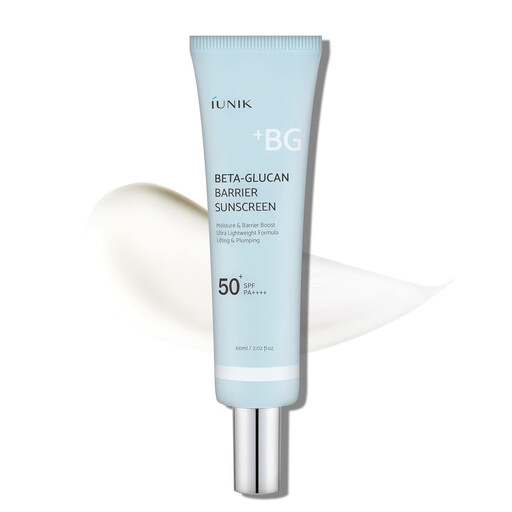
Why it suits this profile: Designed for users looking for a Korean sunscreen with a moisturising profile for dry, oily or sensitive skin.
The name and product information emphasise a matte finish and no white cast. The actual finish also depends on the amount applied and your skin type.
SPF50+, PA++++ and a formula that, according to the product description, combines daily hydration with UVA and UVB protection.

Why it suits this profile: The small size fits in a bag, while the product information states that it has a lightweight texture and is water-resistant for active days.
The water-resistance claim means you do not have to rely solely on an ordinary day cream when sweating or swimming. Reapplication is still necessary.
SPF50+, 12 ml and, according to the product information, water-resistant properties; intended for the face, neck and other exposed areas.
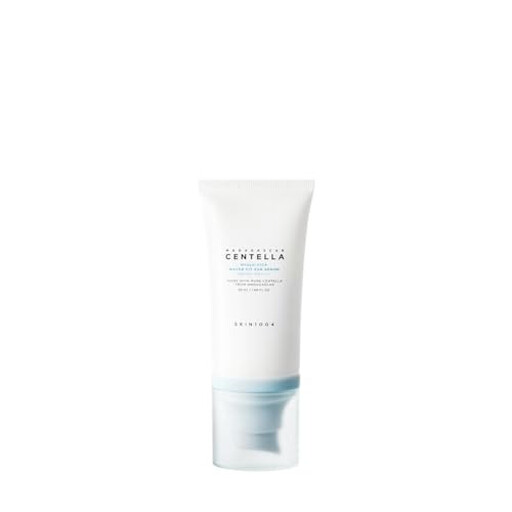
Why it suits this profile: The serum-like texture is designed for anyone looking for a lightweight facial sunscreen that absorbs quickly and can be worn under make-up.
According to the product description, the formula absorbs quickly and leaves no white film or sticky feeling. Apply several thin layers to help prevent pilling.
SPF50+, PA+++ and 50 ml; the product information mentions an ultra-light texture, hydration and no white cast.
We have put together a complete, up-to-date list of products that fully meet these strict selection criteria and the applicable European safety requirements.
Use enough product to cover your face and neck evenly. A practical method is to spread a generous amount over two fingers for your face and neck, but always follow the directions on the packaging. Using too little sunscreen provides less protection than the SPF on the label suggests.
Yes. Choose a lightweight sunscreen without a white cast and allow the formula to absorb briefly before applying make-up. A serum or fluid texture may feel more comfortable than a rich cream. Test the combination beforehand: some products may pill when layered over several skincare products.
If you work in an office every day, how often you need to reapply depends on your exposure to the sun. Outdoors, while exercising, swimming, sweating or drying yourself, reapplication is important. An SPF 50 product does not provide all-day protection from a single application. Also check the expiry information and do not store sunscreen in direct sunlight or high heat for prolonged periods.
