
Vandaag of morgen in huis

Kwaliteit gegarandeerd

Welkomstaanbiedingen ontgrendelen: GRATIS bezorging | Tot 80% korting | Gratis 30 dagen JoyPlus-proefperiode
Download de app
A good facial sunscreen SPF 50 needs to offer more than just a high protection factor. The texture, UVA rating, ingredients and wearability all determine whether you’ll use it consistently every day. A cream that feels sticky, pills under make-up or leaves a visible white cast will quickly end up unused in the cupboard.
For adults in the UK, there are three common pitfalls to watch out for:
SPF 50 or SPF 50+ is a sensible choice for daily facial sun protection, especially if you spend a lot of time outdoors. SPF indicates how the product classifies protection against UVB radiation. Also look for a separate mention of UVA protection. Korean sunscreens often list this as PA++++, while European products may use the UVA symbol.
A high factor is only effective if you apply enough. Use the facial sunscreen as the last step in your morning routine and spread it evenly over your face, ears and neck. Reapply after swimming, sweating or towel-drying. If you’re outside for long periods, reapplying throughout the day is important.
The right texture determines whether you’ll keep using a product every day:
Also check for fragrance and alcohol denat. in the ingredients list. That doesn’t automatically mean a product is unsuitable, but if you have sensitive skin, a fragrance-free option can be a practical first choice. Stop using it if irritation occurs and follow the safety instructions on the packaging.
Not every daily sunscreen is water-resistant. A lightweight Korean sunscreen may work well for commuting, the office and running errands, but isn’t necessarily suitable for swimming or intense exercise. So check whether water resistance is explicitly stated.
For beach days, cycling and outdoor work, reapplication and a formula that can handle sweat are more important than an ultra-light finish. For a normal working day, a comfortable sunscreen that works under make-up may be the deciding factor.
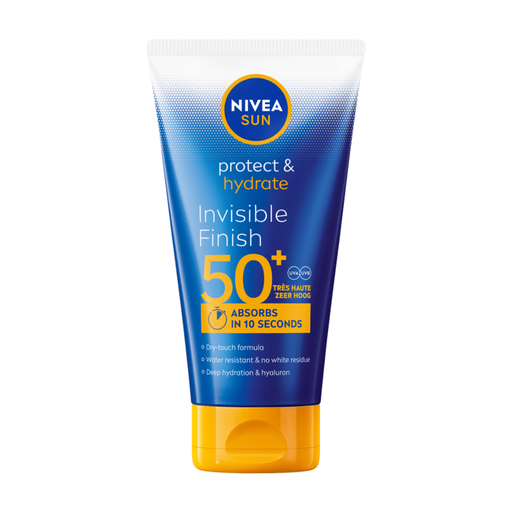
Why this suits the profile: This variant contains 150 ml and is designed for daily use. The product description mentions a dry-touch formula, fast absorption and a water-resistant composition.
The larger bottle is practical when you need to reapply regularly. According to the product description, the formula absorbs quickly and leaves no white residue.
SPF 50+, water-resistant formula, 150 ml content and a described dry-touch finish.

Why this suits the profile: The product information states SPF 50+, PA+++, a lightweight texture and a fragrance-free formula. That suits anyone looking for Korean skincare for daily use and under make-up.
The description explicitly mentions no white cast, sticky feel or pilling. Do check on your own skin whether the finish works with your make-up and skincare routine.
50 ml, SPF 50+, PA+++ and according to the product information fragrance-free, vegan and suitable for all skin types.
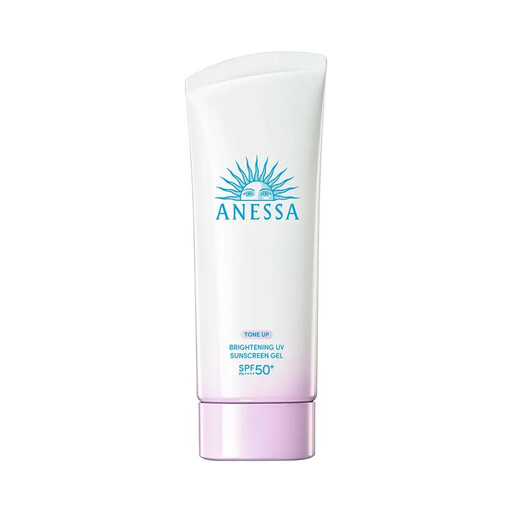
Why this suits the profile: According to the product information, this gel is designed for situations involving water, sweat and friction. The description also mentions a finish that can double as a make-up primer.
The product description highlights resistance to water, sweat and friction. That makes it a targeted option for outdoor activities, but reapplication is still necessary.
SPF 50+, PA++++, 90 g and according to the product information water-, sweat- and friction-resistant.
We’ve put together a full, up-to-date list of products that fully meet these strict selection criteria and comply with current European safety regulations.
Apply a generous, even layer to your face and neck. A practical guideline is about two finger-lengths of product for these areas. The exact amount depends on the texture and the size of the packaging. Using too little product reduces the protection you actually get.
Yes, many lightweight formulas are designed for this, but the result varies depending on your skin type and combination with other products. Let your serum or day cream absorb first, then apply the sunscreen evenly. A product like Beauty of Joseon Relief Sun is described as applying without pilling or white cast, but test the combination with your own make-up before using it daily.
Follow the symbol and shelf-life information on the packaging. Store sunscreen in a cool, dry place away from direct sunlight and high temperatures. If the smell, colour or texture changes, stop using the product. An opened bottle that’s often kept in a warm bag or car may deteriorate more quickly.
If you’re unsure about ingredients or have a skin reaction, stop using the product and seek advice from a doctor or dermatologist.
