
Vandaag of morgen in huis

Kwaliteit gegarandeerd

Welkomstaanbiedingen ontgrendelen: GRATIS bezorging | Tot 80% korting | Gratis 30 dagen JoyPlus-proefperiode
Download de app
The search for a good daily facial sunscreen can be frustrating. You want high protection with SPF 50, but without a sticky feel, white cast, or breakouts. The market is flooded with promises, but the reality is often different. Many products that seem perfect turn out to be unusable in practice.
Before you invest in a new tube, it's helpful to recognise the most common pitfalls:
To find a product that truly works for you, it's important to look beyond the marketing. Pay attention to the following objective specifications.
Sunscreens use chemical or mineral filters, or a combination of both.
The texture determines how the product feels and performs under makeup.
Many modern sunscreens offer more than just protection. Ingredients like niacinamide can help regulate sebum and refine pores, while hyaluronic acid and aloe vera provide extra hydration. Some formulas contain antioxidants that contribute to anti-ageing by protecting the skin from free radicals.
Based on product specifications, we have selected a few options that suit different needs and lifestyles.
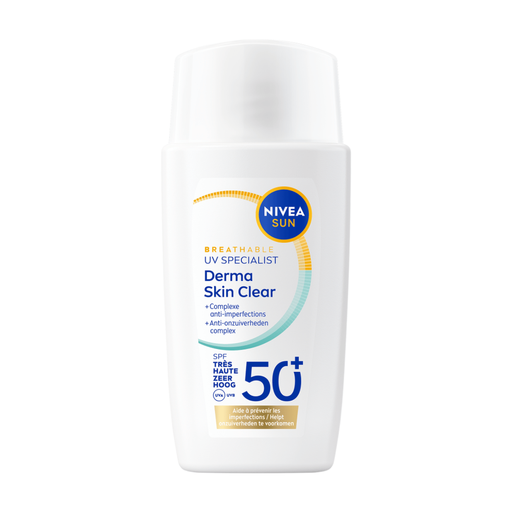
Why This Fits Their Persona: Specifically for those who struggle with a shiny T-zone or breakouts. The formula is designed to regulate excess sebum and maintain a matte complexion throughout the day.
Directly tackles the 'makeup saboteur' pitfall. The non-greasy fluid with Niacinamide is designed to absorb excess sebum, preventing a greasy feel and reducing the chance of breakouts.
Contains an Anti-Blemish Complex with Niacinamide. According to the manufacturer, it provides an 8-hour matte effect and the formula is non-comedogenic.
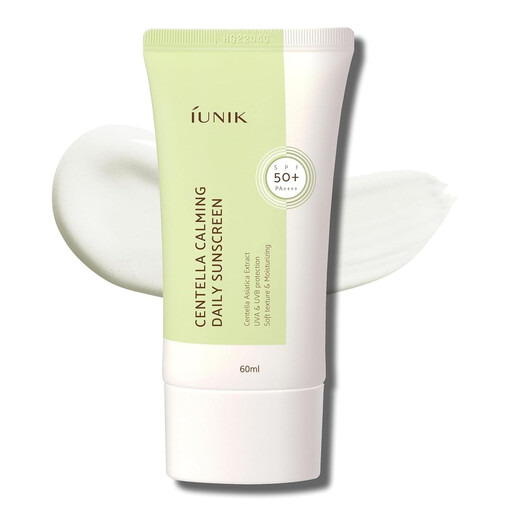
Why This Fits Their Persona: Ideal for skin types that react quickly to fragrance or other irritants. The formula focuses on calming and hydration, which is essential for skin prone to redness or tightness.
This product bypasses the 'all-in-one' pitfall. It's specifically formulated with calming Centella Asiatica, unlike standard sunscreens that can be too harsh for sensitive facial skin.
The formula is fragrance-free and vegan. According to the product description, it leaves no white cast and doesn't feel sticky.
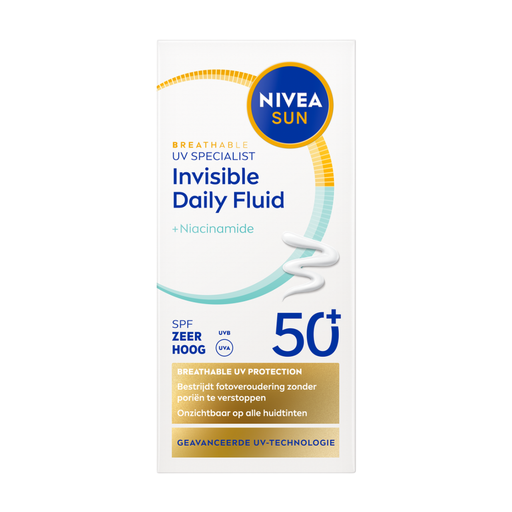
Why This Fits Their Persona: Perfect for those who need to get out the door quickly in the morning. The ultra-light texture absorbs instantly and acts as a smooth base for makeup, without pilling or causing shine during the workday.
This fluid tackles the 'white cast' and 'makeup saboteur' pitfalls. The formula is designed to dry invisibly and matte, ensuring your foundation stays in place all day.
The manufacturer states that the product provides an 8-hour matte effect and is invisible on all skin tones. The formula is non-comedogenic.
We've compiled a complete, up-to-date list of products that meet these strict selection criteria.
A common guideline is the 'two-finger rule'. Apply a line of sunscreen to the length of your index and middle fingers. This amount is typically sufficient for your face and neck to achieve the protection factor stated on the packaging. Applying too little significantly reduces protection.
The skin around the eyes is extra thin and sensitive. Some chemical filters can sting if they get into the eyes. Look for products that are ophthalmologically tested or choose a special eye cream with SPF. Sunscreens with only mineral filters are often better tolerated around the eyes.
For an average day at the office, a moisturiser with SPF can offer protection. The problem is that most people don't apply enough moisturiser to achieve the stated SPF value. For effective and reliable protection, especially when you go outside, a separate dedicated SPF 50 facial sunscreen over your moisturiser is the recommended method.
